Alfalfa Pellet Production Line in New Zealand


Our alfalfa pellet production line has been running smoothly for over a year without any malfunctions. The entire line also has very low energy consumption. When I initially invested in building the alfalfa pellet production line, I had no experience whatsoever, and RICHI provided a complete production line solution. I didn’t need to worry about anything; I could simply wait for the production line to be put into operation.
— Client Feedback

Project Overview

Сountry:
New Zealand
Investment Cost:
$170,420 USD
Product Demand:
Alfalfa Feed Pellets
Production Capacity:
2 Tons Per Hour
Raw Materials:Bales of alfalfa hay, approximately 1.2 m x 1.2 m (4 feet) in size, with each bale weighing about 300—450 kg. The alfalfa hay is dried before baling.
Product Requirements:Produce alfalfa pellets for use as feed for ruminant animals such as cattle and sheep. The finished pellets must be uniform, of moderate hardness, dust-free, and possess good storage resistance and compression resistance for long-term storage and long-distance transportation.
Packaging Specifications:Use bagged packaging. Bag sizes must be flexible and adjustable to accommodate various sales models, including retail and bulk supply.
Capacity Requirements:Stable production capacity of 2 T/H, with continuous and stable operation capability.
Automation Requirements:Maximize automation within a limited budget to reduce manual intervention and minimize labor costs.
Core Needs:The client has no experience in alfalfa pelleting and requires a complete alfalfa pellet production line solution, including on-site installation, commissioning, and operation training services. The equipment must also be cost-effective, stable in operation, and have a low failure rate.
Why the Client Choose RICHI
This New Zealand client had researched several manufacturers online, but they were either not cost-effective, lacked experience and professionalism, or their services were not comprehensive enough. Ultimately, the client found that RICHI Manufacture had extensive experience in turnkey projects and could customize solutions to meet their specific needs.
Furthermore, we provide a full-chain service, from solution customization, equipment production, overseas packaging and shipping, customs clearance, on-site installation and commissioning, personnel training, and lifetime after-sales support, requiring no effort from the client.
In addition, our pricing is transparent, with a clear list of equipment, process configurations, and service details. There are no hidden fees or hidden charges later, and we use genuine quality and transparent pricing to dispel client concerns and build trust.
New Zealand Customized Alfalfa Pellet Production Line
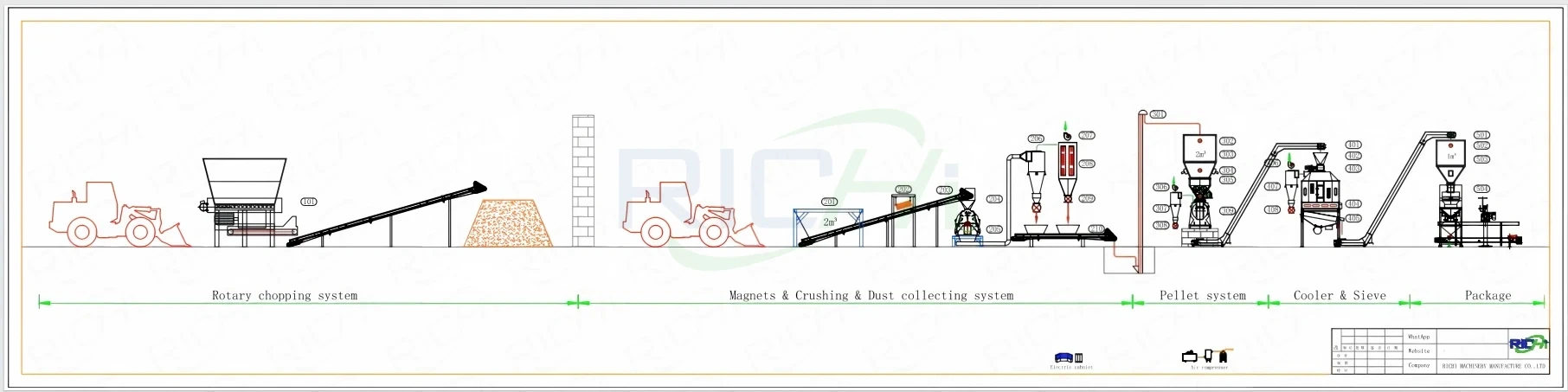
The New Zealand alfalfa pellet production line has a rated capacity of 2 tons per hour. The entire production line follows a complete closed-loop process of “alfalfa bale unbundling → alfalfa crushing and impurity removal → pelleting → cooling and screening → finished product packaging”, taking into account the difficult processing characteristics of high-fiber alfalfa, dust environmental control, and the goal of automated operation of core processes.
1
Bale Breaking Section:
First, use an alfalfa bale breaker to unpack the intact dry alfalfa bales, loosen the compacted forage, and remove the binding twine. Simultaneously, cut the long alfalfa into short grass segments to reduce the burden on the downstream hammer mill and prevent long alfalfa grass from tangling around the hammers. Then, transport the chopped alfalfa segments via a belt conveyor, and establish an intermediate buffer storage area.
2
Impurity Removal and Crushing Section:
We install a single 2 m³ buffer hopper to hold the chopped alfalfa hay and feed it to the hammer mill stably and evenly. Fit a magnetic separator onto the hopper’s discharge belt conveyor to remove iron nails and metal debris, protecting downstream equipment from damage. Then, feed the cleaned alfalfa segments into the alfalfa hammer mill to grind them into fine grass powder suitable for pelleting. The dust removal section may generate a large amount of dust, so we designed a two-stage dust removal system consisting of a cyclone separator and a bag filter to eliminate workshop dust, prevent raw material waste, and fully recycle collected powder. The pulverized alfalfa hay powder is conveyed and lifted into the pelleting section.
3
Pelleting Section:
The pulverized alfalfa hay is lifted into a 2m³ buffer storage silo. The silo is equipped with a level sensor that automatically replenishes the material when the level is low and pauses pulverization when the level is high to prevent overflow and ensure a continuous and stable supply of material to the alfalfa pellet mill. The core pelleting equipment is a ring die alfalfa pellet mill, which compresses the hay into compact alfalfa pellets. The pellet mill is equipped with a single-layer conditioner to improve palatability, ensure thorough sterilization, and guarantee feed safety.
4
Секція охолодження та сортування:
Freshly pressed alfalfa pellets are very hot and need to be cooled to room temperature as soon as possible to harden the pellets and stabilize the moisture content to 10%-12%. The cooled alfalfa pellets are then fed into a vibrating screen to screen out the finished pellets, separating the broken pieces and powder. The broken pieces and hay powder are recycled and reprocessed.
5
Розділ «Упаковка»:
Qualified alfalfa pellets are stored in a 1 m³ small finished product silo, automatically feeding the packaging machine according to the packaging speed. The automatic packaging machine can automatically weigh and sew the bags, requiring only manual assistance in bagging. It supports 25-50kg packaging bags and can also be used with ton bags. The packaged finished products are directly transferred to the warehouse by forklift.
Equipment Configuration
New Zealand alfalfa pellet production line includes a debundling and feeding system, a crushing system, a conditioning and mixing system, a granulation system, a cooling and screening system, a quantitative packaging system, and a conveying and dust removal auxiliary system. Each piece of equipment operates smoothly, resulting in no material waste and no dust pollution.
| Equipment Configuration | Number (unit) |
|---|---|
| alfalfa bale breaking machine | 1 |
| alfalfa hammer mill | 1 |
| alfalfa pellet mill | 1 |
| машина для протипотокового охолодження гранул | 1 |
| vibrating screening machine | 1 |
| automatic packaging machine | 1 |
| belt conveyor | 3 |
| bucket elevator | 2 |
| циклонний сепаратор | 3 |
| bag filter | 1 |
Our Turnkey Project Service Process
Виробництво RICHI carefully figure out exactly what our clients needs. With that in mind, we offer full one‑stop services for their alfalfa pellet production line in New Zealand. We don’t just sell standard machines; instead, we tailor the whole solution specifically for them. From understanding their exact needs at the start to providing long‑term after‑sales support later on, we help our clients stay competitive for years to come.
Індивідуальні проектні рішення
We provide customized alfalfa production line planning based on the client’s raw material type, raw material characteristics, target product, capacity requirements, particle size, plant conditions, investment budget, and local energy conditions.
Equipement Manufacturing
Once the scheme is finalized, the project enters the equipment manufacturing phase. All equipment is produced independently in RICHI’s factory and undergoes strict whole-machine inspection and factory testing prior to shipment.
Logistics & Shipping:
Once manufacturing is complete, we classify and pack the main equipment, auxiliary machinery, and spare parts. We handle the full set of customs clearance documents and arrange ocean freight to deliver the shipment directly to the customer’s designated port.
On-site Installation & Commission
After the equipment arrives at the customer’s factory, we will send professional engineers to the site assist with equipment assembly, pipeline laying, and electrical wiring, overseeing full-process commissioning until the entire production line runs stably and meets target standards.
Навчання з експлуатації та технічного обслуговування
After the production line is installed, our engineers will provide systematic operation training, including equipment operation methods, daily maintenance, replacement of vulnerable parts, and troubleshooting of common faults.
Warranty & After-Sales Support:
All equipment comes with a 12-month warranty. Additionally, we offer regular after-sales follow-ups and ensure a long-term supply of genuine spare parts. If any equipment malfunctions, our technical team can perform remote diagnostics or on-site repairs based on customer feedback.
RICHI Global Turnkey Production Lines
More than equipment—we deliver complete pellet manufacturing success. RICHI Manufacture specializes in creating customized turnkey production lines for animal feed, biomass fuel, organic fertilizer, cat litter and so on. Leveraging advanced machinery, professional engineering, intelligent automation systems, and global project experience, we provide comprehensive services from project planning, equipment manufacturing, installation, commissioning to operator training and lifetime technical support.
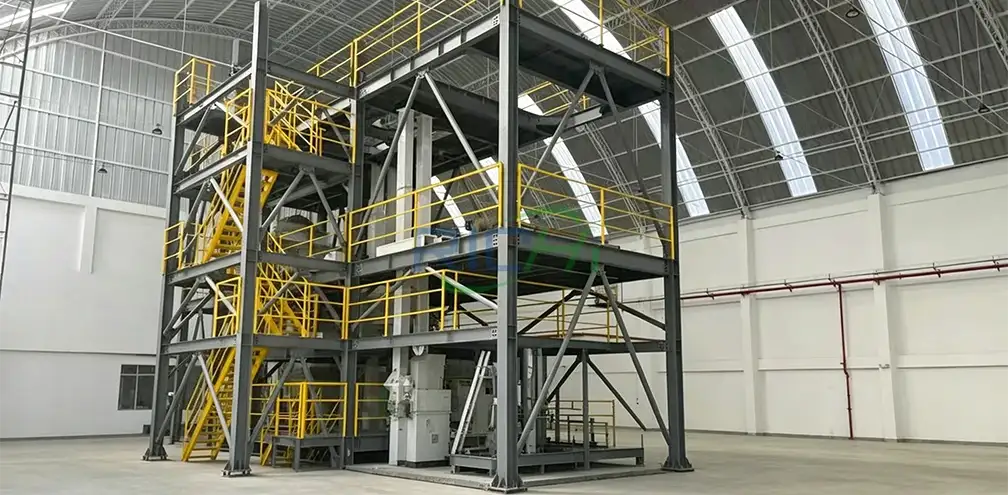
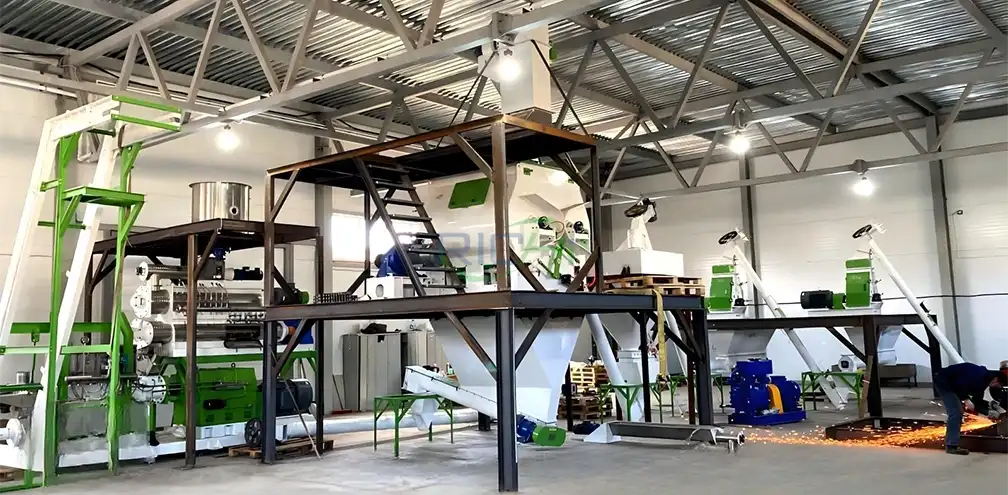
Fish Feed Production Line in Russia
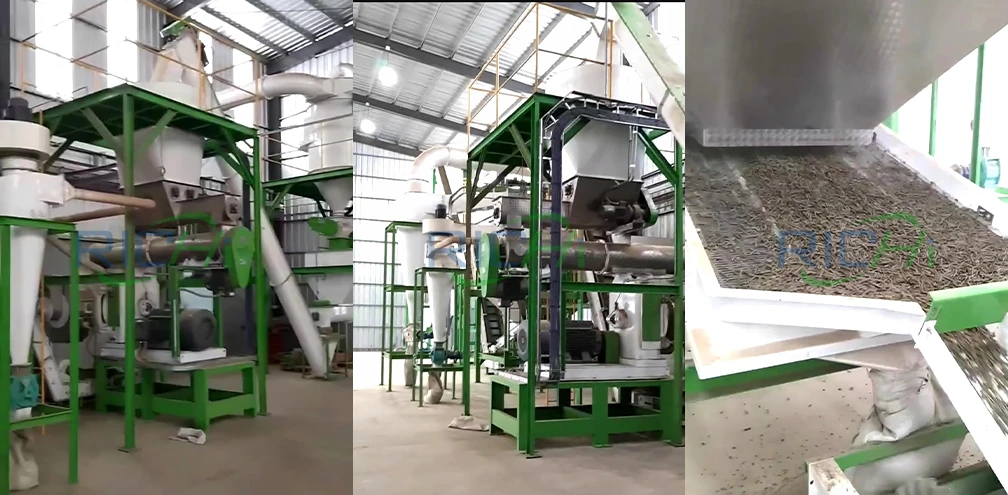
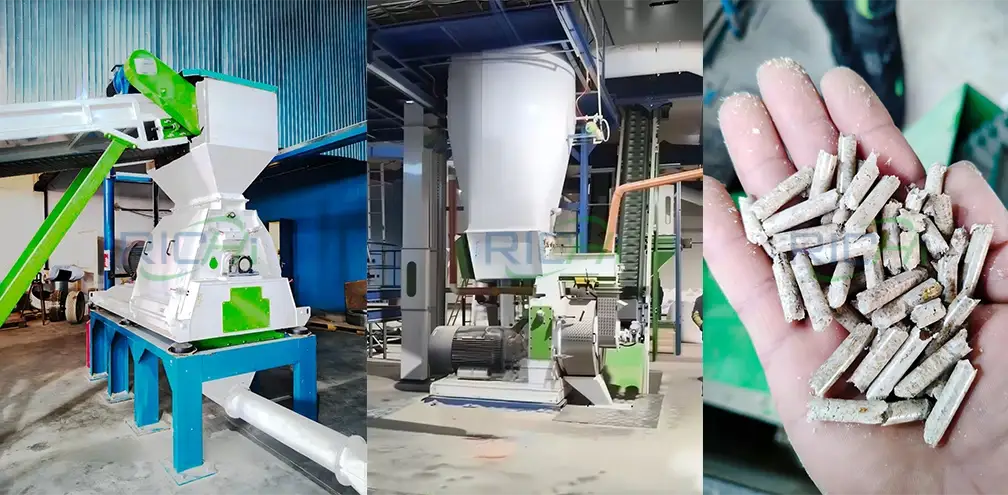
Alfalfa Pellet Production Line in Uganda
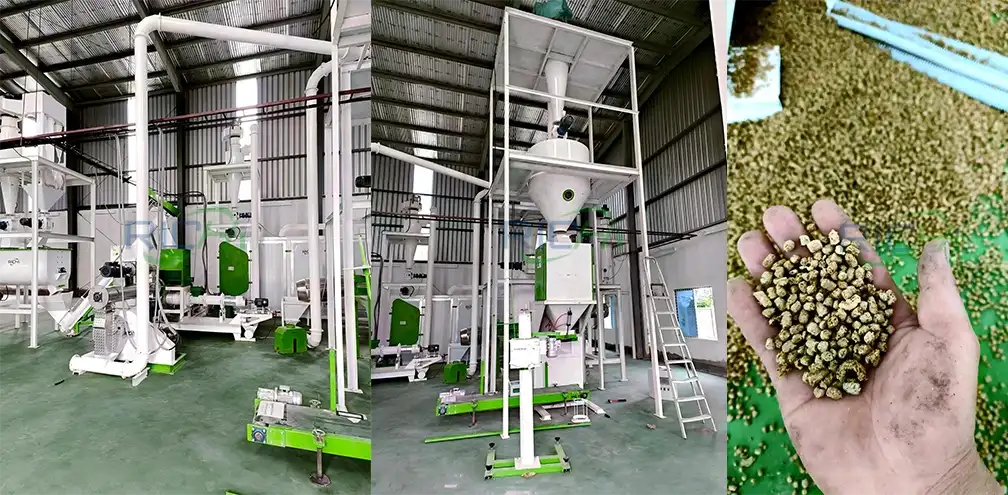
Organic Fertilizer Production Line in France
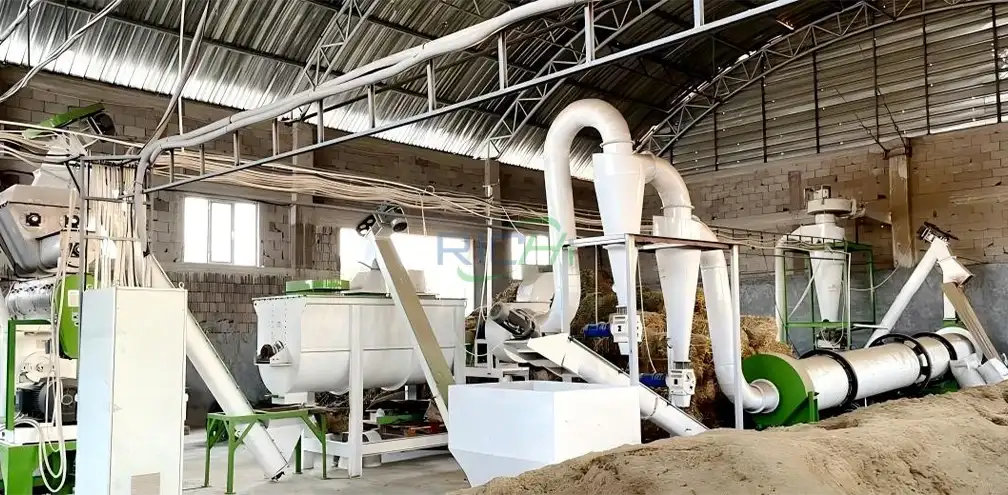
Straw Pellet Production Line in Kazakhstan

Cat Litter Production Line in Malaysia
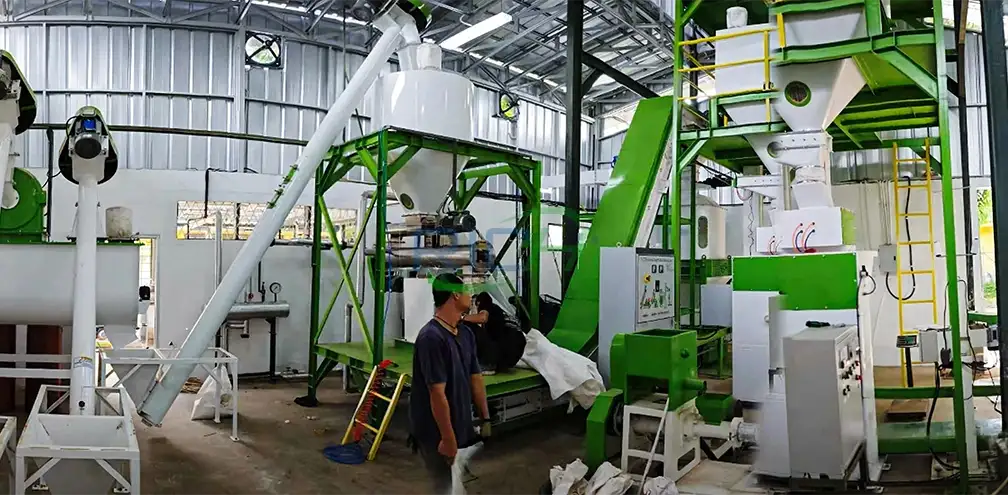
Floating Fish Feed Production Line in Philippine
Виробництво RICHI
Світовий постачальник рішень у галузі обладнання для виробництва пелет
Бути мистецтвом, бути митцем. Ми реалізуємо високоякісні проекти «під ключ», поєднуючи професійну майстерність та інновації.
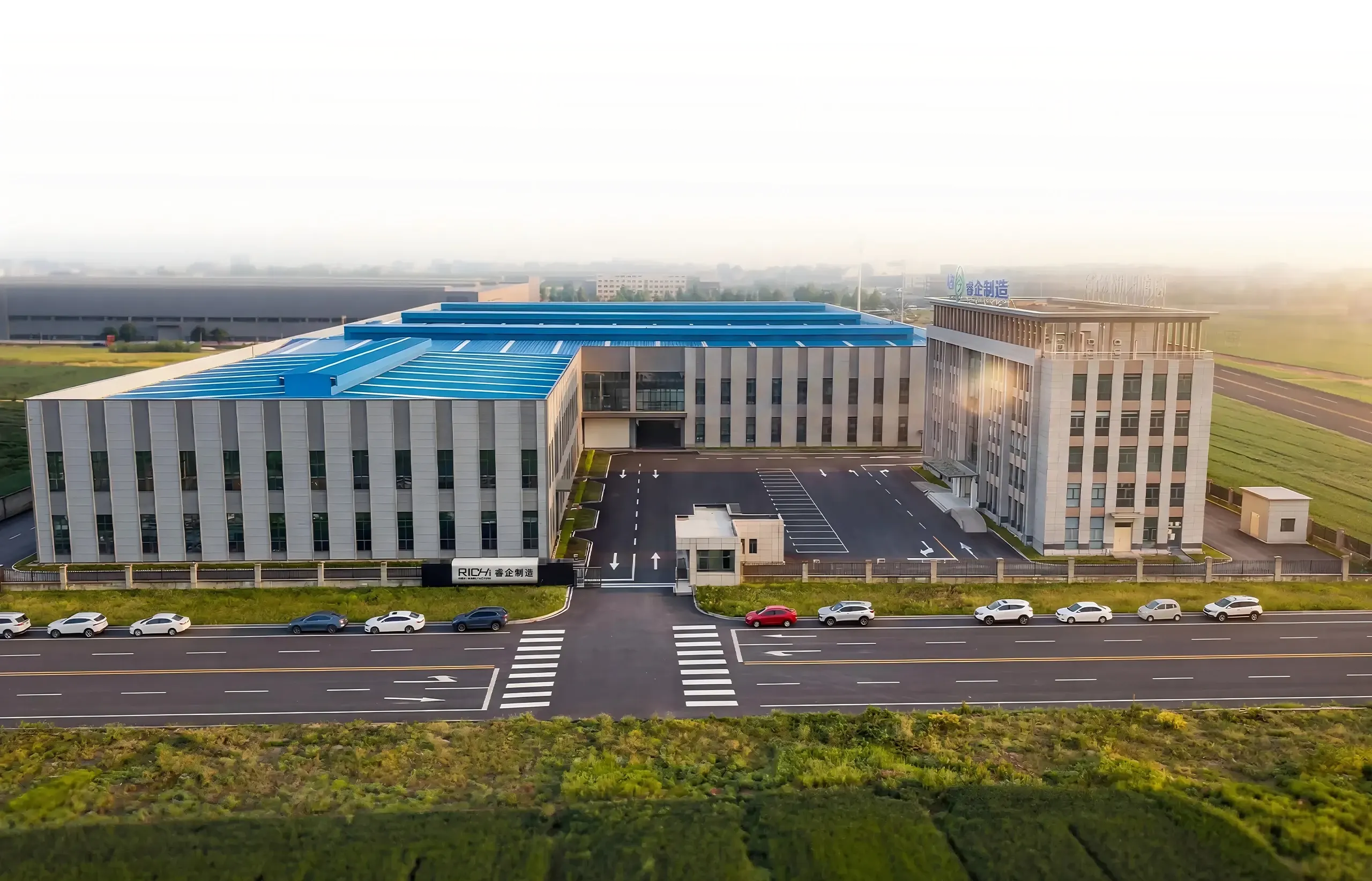
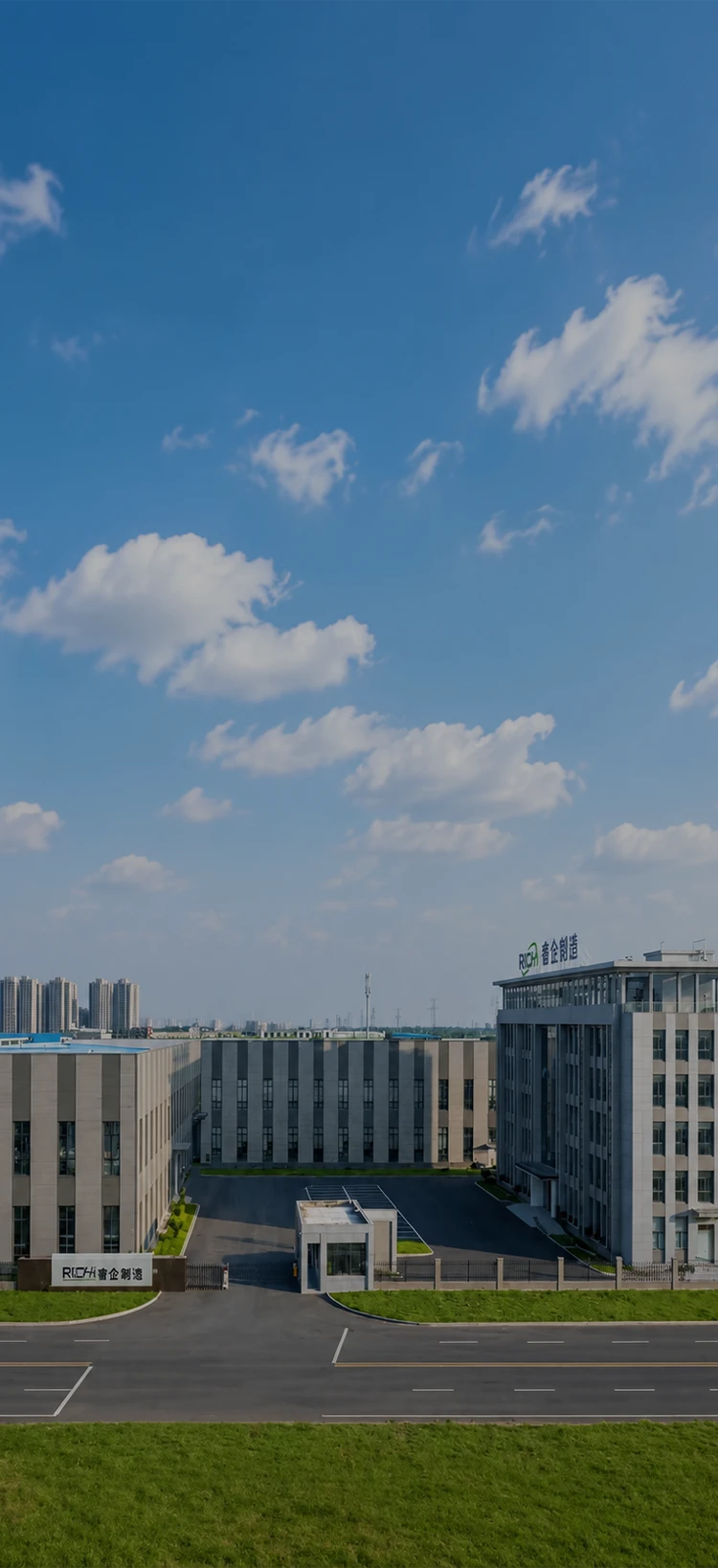
Компанія ’Henan RICHI Manufacture» була заснована в 1995 році. Ми є професійним комплексним виробником, що охоплює науково-дослідні роботи, виробництво, інженерне проектування та монтаж ліній з виробництва кормів, біомаси, органічних добрив, гранул для котячого туалету, сталевих силосів та систем автоматичного керування. Компанія «RICHI» отримала повний спектр авторитетних міжнародних сертифікатів, зокрема CE, TÜV, SGS, BV, RTN, ISO 9001 та інші, що заклало міцну основу для міжнародної торгівлі. Маючи у своєму розпорядженні технологічне обладнання світового класу, таке як великі верстати з ЧПУ для різання, свердлильні верстати з ЧПУ, інтелектуальні лінії піскоструминної обробки та фарбування, а також стенди для динамічного балансування, ми гарантуємо найвищу якість обладнання, що забезпечує успішну реалізацію та введення в експлуатацію проектів наших клієнтів по всьому світу.
понад 60 000 м²
Територія заводу
2,000+
Глобальні проекти
140+
Країни-експортери
30+
Багаторічний досвід
Why Choose RICHI
Advanced pellet production systems combine robustness
and future-readiness, establishing industry benchmarks through technological
integration and innovation.
Full-scope service
From raw material analysis, process design, equipment fabrication, installation & commissioning, to operator training and long-term spare parts support — we deliver turnkey care across the entire project lifecycle.
Extensive experience
Decades in granulation equipment R&D & manufacturing, proven solutions for diverse materials and conditions. 2,000+ projects delivered, 140+ countries served.
Premium Quality Commitment
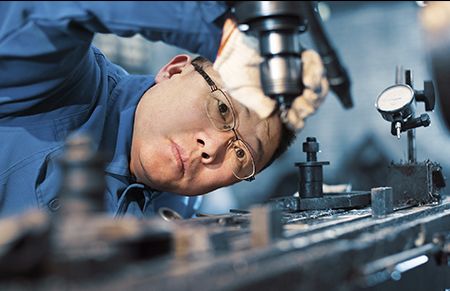
We insist on using high-quality materials to carefully manufacture core equipment components (such as aerospace-grade ground gears, high-quality alloy steel ring die, SKF bearings, and “Siemens motors), ensuring peak equipment performance and long service life.

Worry-Free Warranty
1-year whole-machine warranty, free parts replacement. 1h response, 48h on-site for emergencies. After warranty: lifelong maintenance & periodic inspections.
Long-term Technical Support
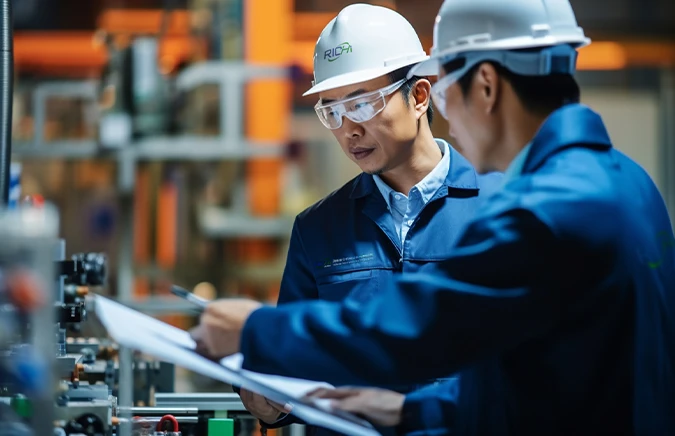
Lifetime remote diagnostics, equipment upgrades, and process fine-tuning. Priority spare parts delivery, and continuous performance optimization.