Small Scale Poultry Feed Mill

Want to build a small scale poultry feed mill? RICHI can proveide you with customized turnkery solutions with a capacity of 0.2–2 T/H, priced from $10,000 to $60,000 USD. Produce high-quality mash, pellets, and crumbles.
Overview
When investing in a small-scale poultry feed plant, the first step is to determine your product strategy: whether to produce only one type of feed—such as mash, pellets, or crumbles—or to manufacture all three. Next, based on your investment budget, we can offer two production process options for pellet feed: the flat-die process and the ring-die process. The corresponding equipment configurations and price quotes will vary depending on your specific production requirements.
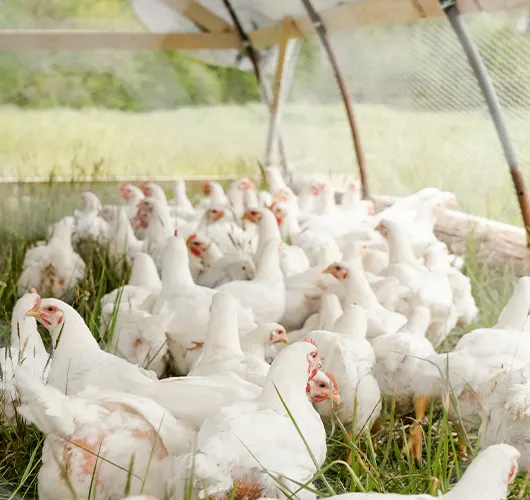
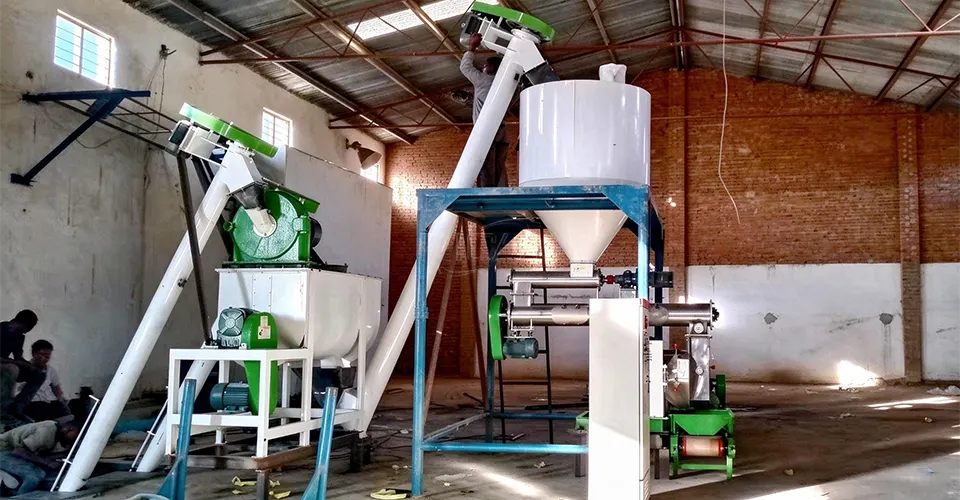
small Scale poultry feed mills

Capacity : 0.2~2 T/H

Price : $10,000 USD ~ $60,000 USD
Product Types : mash, pellets (2-12 mm), or crumbles
small Poultry Feed Mill Project Videos
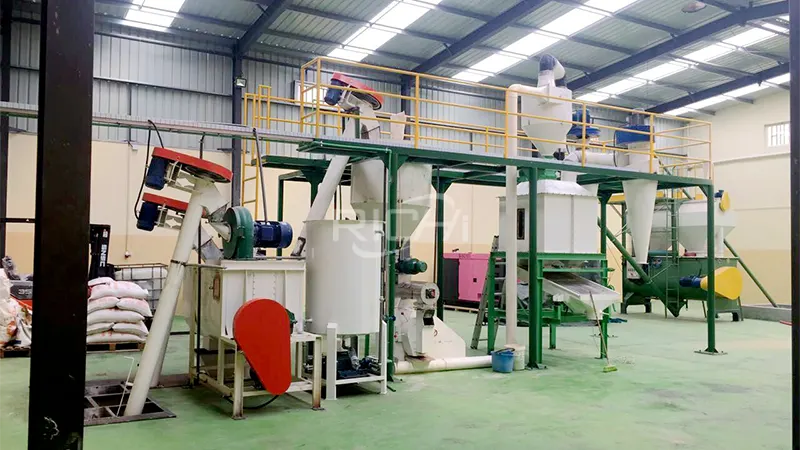
1 Mash Feed T/H + 0.8 T/H Small Poultry Feed Mill in Burundi
- Product Requirement:2-4 mm poultry feed pellets and mash feed
- Equipment Configuration:hammer mill, mixing machine, liquid additon machine, small poultry feed pellet machine, pellet cooler, vibrate screening machine, screw conveyor, cyclone.
- Price: $35, 800 USD

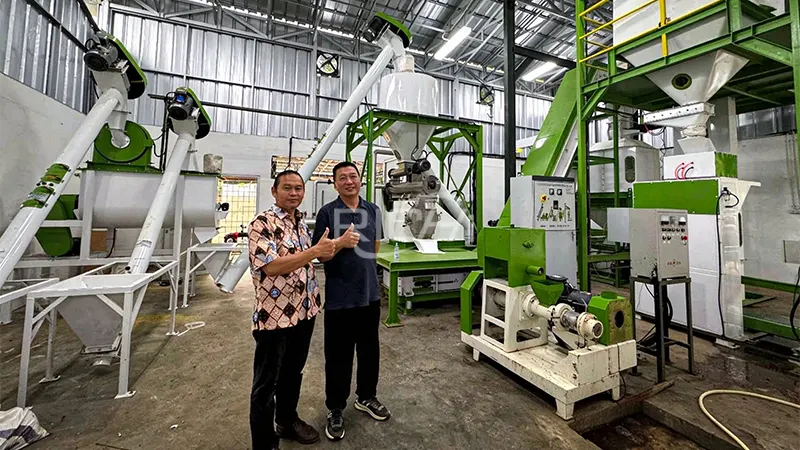
1-2 T/H Feed Mill for Poultry in Inodesia
- Product Requirement:2-6 mm chicken feed pellets + 2-4 mm floating fish feed pellets
- Equipment Configuration:hammer mill, liquid adding machine, feed mixer, poultry feed pellet mill, dry type fish feed extruder, pellet cooler, conveyor.
- Price: $64,560 USD
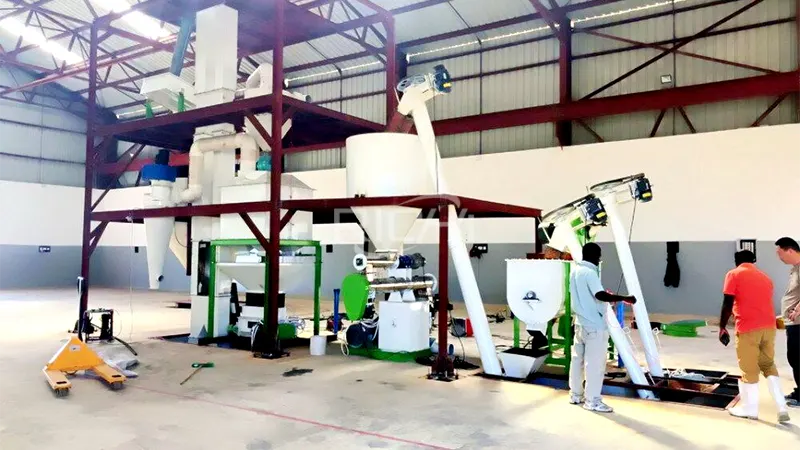
1-2 T/H Pellet Chicken Feed Mill in Tanzania
- Product Requirement:1-1.5mm crumbles and 2-6 mm chicken feed pellets
- Equipment Configuration:feed ginder and mixer machine, small chicken feed pellet machine, pellet cooler, chicken feed crumble machine, vibrating grading screen, screw conveyor, cyclone.
- Price: $37, 800 USD
Global poultry feed mill projects
Here are some our chicken feed pellet machine for sale projects we have delivered for your reference. If you’re interested in more chicken feed production projects, feel free to contact us anytime.
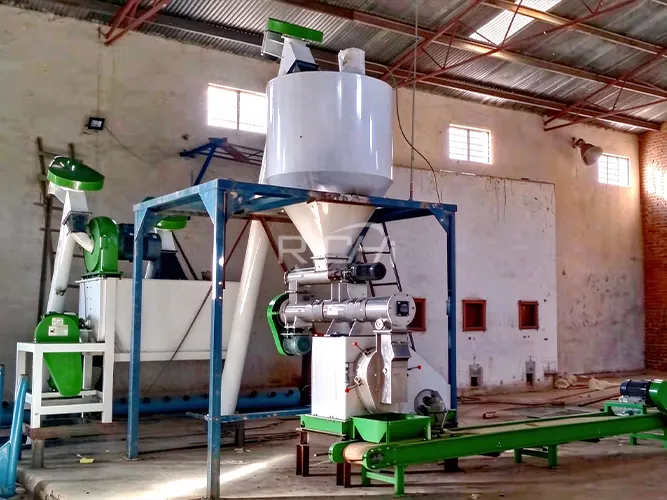
0.8-1 T/H Small Scale Poultry Feed Mill for Sale Venezuela
- Product Requirement:2-6 mm broiler and layer feed pellets
- Equipment Configuration:mixing machine, small chicken feed pellet machine, conveyor.
- Price: $13,000 USD
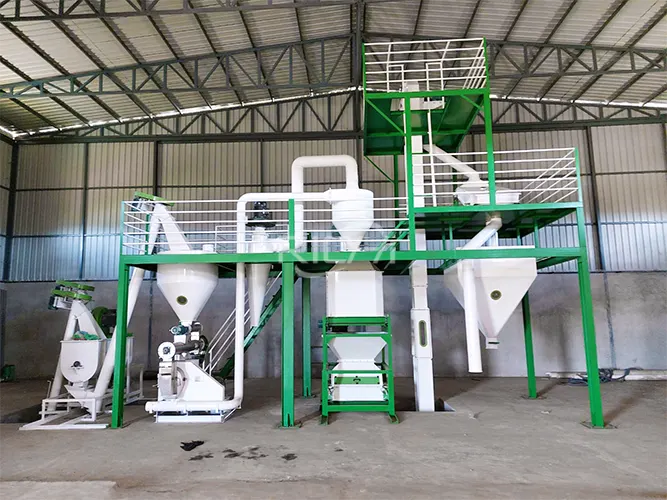
1T/H Mash Feed + 0.6 T/H Pellets Poultry Feed Mill Plant in Angola
- Product Requirement:1-1.5 mm crumbles and 2-4 mm feed pellets
- Equipment Configuration:feed ginder and mixer, chicken feed pellet machine, counterflow pellet cooler, poultry feed crumble machine, vibrate screening machine.
- Price: $37,090 USD
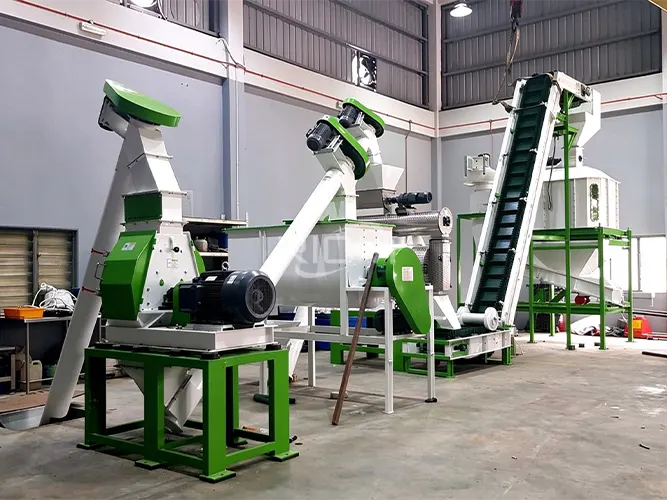
1 T/H Mash Feed + 1 t/h poultry feed mill plant Mexico
- Product Requirement:mash feed and feed pellets for broilers and layers
- Equipment Configuration:poultry feed grinder, poultry feed mixer, poultry feed pellet machine, counterflow pellet cooler, poultry feed crumble machine, vibrate screening machine, packing machine.
- Price: $58,080 USD
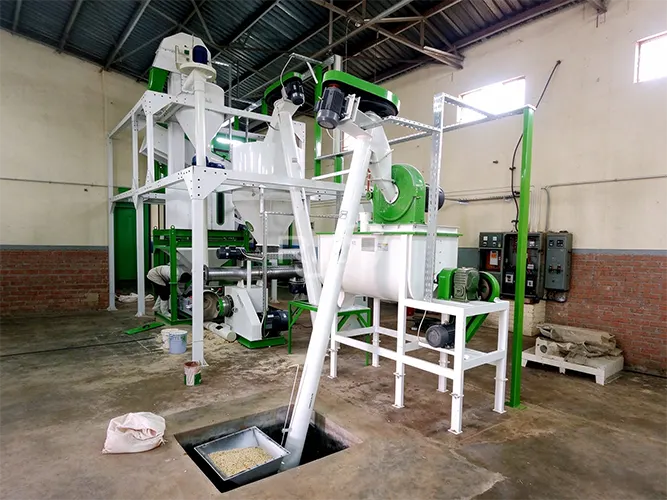
1-2 T/H Small Poultry Feed Mill for Sale Uruguay
- Product Requirement:1-2 mm crumbles and 4-8 mm pellets
- Equipment Configuration:poultry feed ginder and mixer machine, poultry feed pellet machine, counterflow pellet cooler, poultry feed crumble machine, vibrate screening machine.
- Price: $38,890 USD
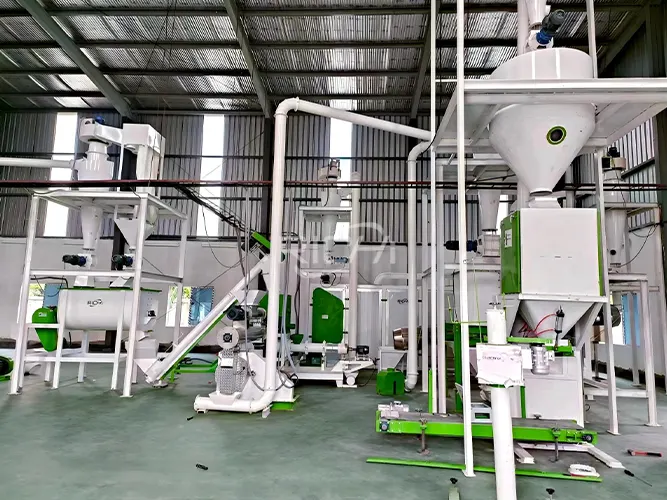
1-2 T/H Poultry Pellet Feed Plant in Bangladesh
- Product Requirement:2-4mm broiler and layer feed pellets
- Equipment Configuration:feed grinder, feed mixer, chicken feed pellet maker, dry type fish feed extruder, coating machine, pellet cooler, chicken feed crumble machine, vibrate screening machine, packing machine..
- Price: $85,960 USD
Customer Feedback
Over the past 30 years, RICHI Machinery has delivered numerous feed mill projects, providing clients with comprehensive consulting and engineering services.
poultry feed mill process flow
Poultry feed production process involves a continuous production line extending from raw material handling to finished product packaging. Small-scale poultry feed plants usually feature a more compact layout; the standard process flow includes raw material receiving and cleaning, grinding, proportioning and mixing, conditioning and pelleting, cooling, crumbling, screening, and finally, packaging and storage.
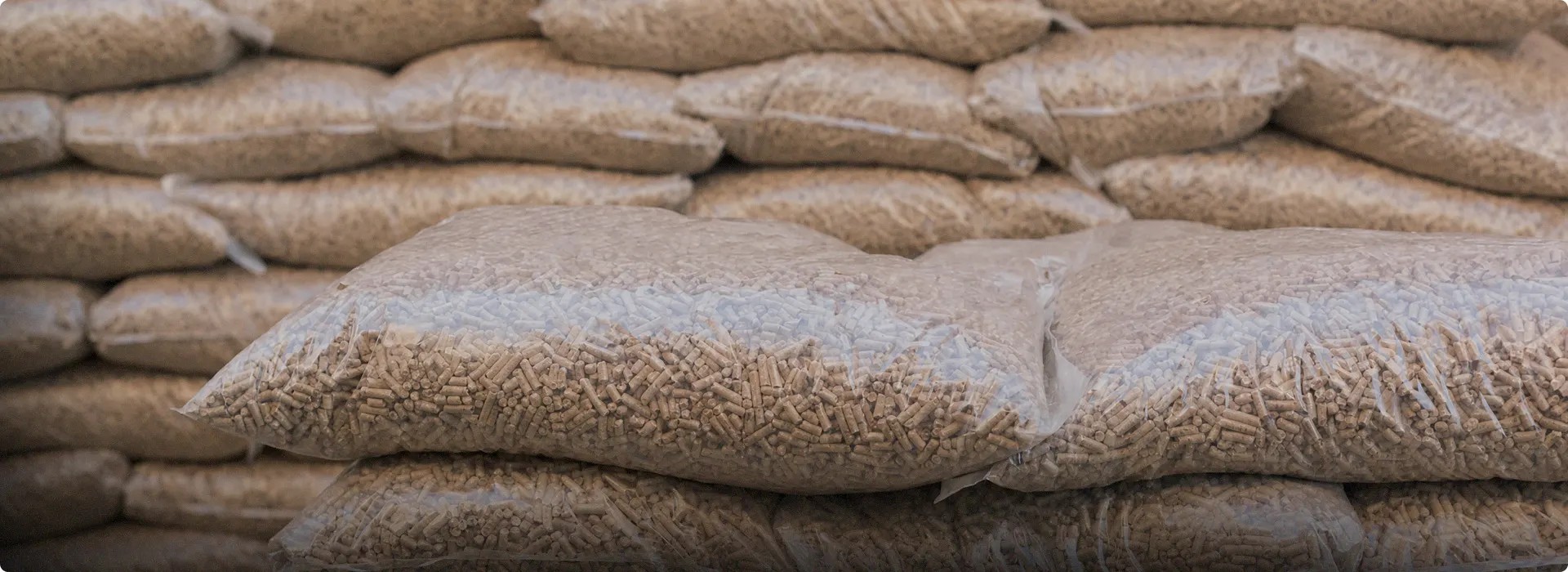
Stage 01 raw material receiving
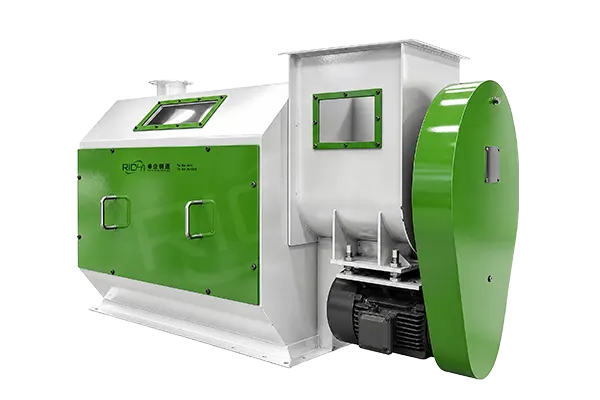
Upon entering the workshop, raw materials such as corn, soybean meal, wheat bran, fish meal, and premixes first pass through equipment—including pre-cleaning screens and permanent magnetic separators—to remove impurities such as stones, rope fragments, nails, and dust. This step protects downstream equipment and prevents impurities from contaminating the finished feed.
Stage 02 Grinding
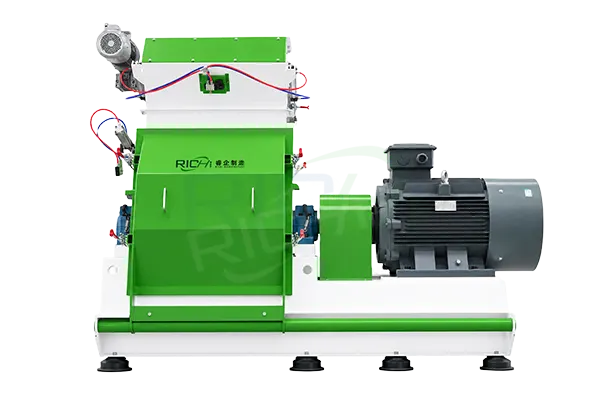
Raw materials requiring grinding, such as corn and soybean meal, enter the grinder and are processed into a fine powder suitable for poultry consumption and pelleting. The particle size achieved during grinding affects mixing uniformity, the pellet formation rate, and the poultry’s digestion and absorption efficiency. Generally, poultry pellet feed requires a fine powder consistency, free of coarse particle residues.
Stage 03 Mixing
The pulverized powder is combined with premixes, trace elements, oils, and other ingredients. After being precisely weighed according to the formula, the mixture enters the mixer. The mixer thoroughly blends the various raw materials to ensure consistent nutritional content across every batch of feed.
Stage 04 Pelletizing
The thoroughly mixed feed ingredients enter the pelleting stage. Typically, the material first passes through a conditioner where steam or a controlled amount of moisture is introduced to cook the feed and eliminate pathogens; it then enters the poultry feed pellet mill to be compressed into pellets. Common pellet diameters range from 2 to 8 mm, with sizes adjustable according to the specific growth stage—such as chicks, growing birds, laying hens, or broilers.
Stage 05 Cooling
Freshly produced pellets are hot and must be cooled quickly to reduce moisture content and harden the pellets, thereby preventing heating, mold growth, or clumping during storage.
Stage 06 Crumbling
If chick feed is to be produced, a crumbling process is also required. The cooled pellets are fed into a crumbler and broken down into particles with a diameter of 1–1.5 mm.
Stage 07 Screening
After cooling, the poultry feed pellets enter a grading screen to remove powder, fragments, and oversized particles. Pellets meeting specifications are transferred to the finished product silo, while the screened-out powder and substandard pellets can be returned to the pelletizing stage for reuse.
Stage 08 Packaging
The finished chicken feed pellets are quantitatively bagged, sealed, and coded by automatic or semi-automatic packaging machines before being placed into storage.
01
raw material receiving
02
Grinding
03
Mixing
04
Pelletizing
05
Cooling
06
Crumbling
07
Screening
08
Packaging
0.2 – 0.3 T/H
0.5 – 0.6 T/H
0.8 – 1 T/H
1 – 2 T/H
3 – 4 T/H
5 – 6 T/H
10 – 12 T/H
More…
Small poultry feed mill process flow chart
Below are process flow diagrams for four different configurations of 1–2 ton poultry feed plants, suitable for clients with varying facility sizes and investment budgets. Please let us know your requirements and budget, and we can provide a customized solution for you.
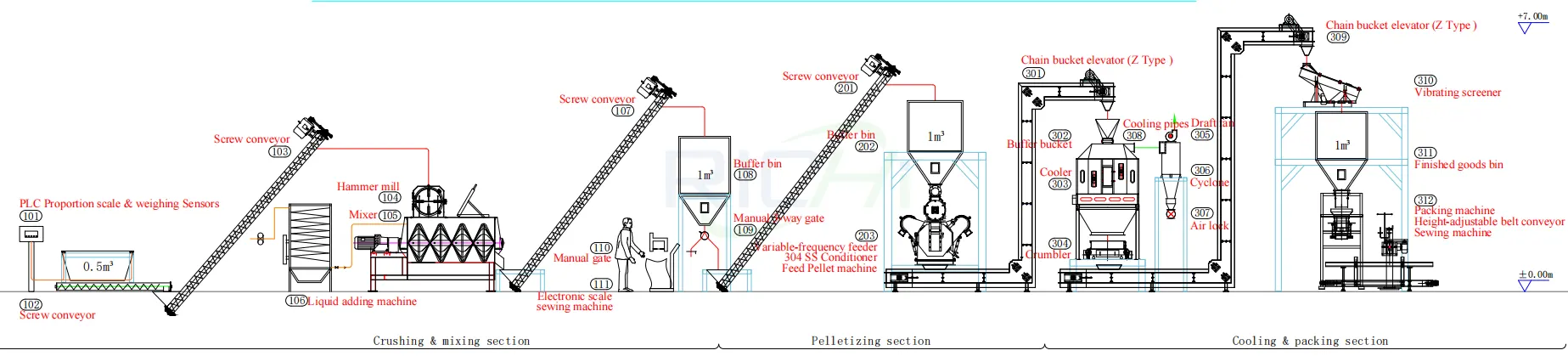
Standard Poultry Feed Production Line
This is a standard poultry feed production line covering the entire process: PLC-controlled batching, grinding, mixing, pelleting, cooling, crumbling, screening, and packaging. The line is capable of simultaneously producing mash, pellets, and crumbles.
.webp)
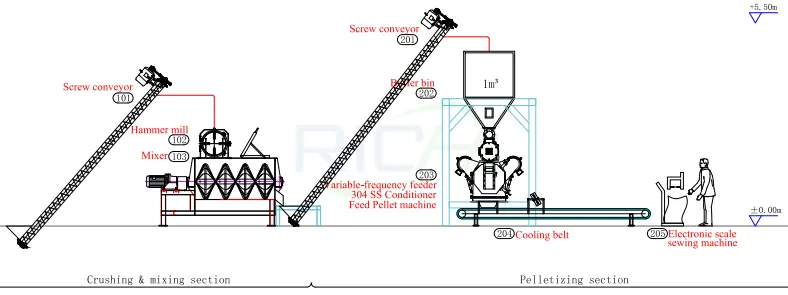
Mash & Pellet Feed Line (with Cooling Belt)
This production line is designed for space efficiency and low cost. The factory building requires a height of only 5.5 meters. A cooling belt is connected directly to the outlet of the pellet mill, eliminating the need for a separate cooler and screening machine.
Chicken Feed + Fish Feed Production Line
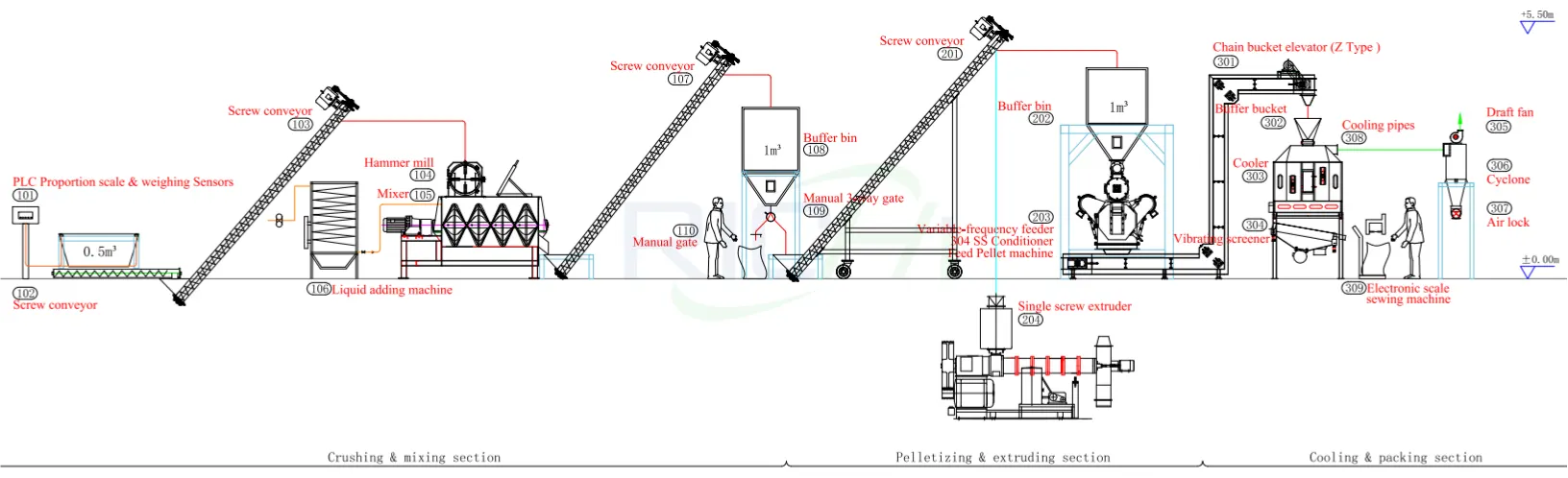
This is a dual-purpose feed production line. A single-screw extruder has been added to the standard poultry feed line setup. The ground and mixed mash can be diverted via a gate valve: one stream enters the pellet mill to produce livestock and poultry feed, while the other enters the extruder to produce sinking or floating fish feed or pet food.
Simple Chicken Feed Pellet Line
This production line comprises only the essential equipment: a grinder, mixer, pellet mill, and bag sewing machine. Material is fed directly from the mixer to the pellet mill, and the finished pellets are conveyed straight to the cooling and packaging stage. It requires the lowest investment and offers the fastest installation.
poultry feed mill Price
Poultry feed mill prices are influenced by factors such as production capacity, equipment configuration, the level of automation, demand for finished products, environmental regulations, and delivery methods. Below are price estimates for several small-scale feed mill solutions for your reference.
Complete flat die pelletizer production line
It includes a hammer mill, horizontal mixer, flat die pellet machine. It can produce mash feed and pellet feed.
- 1T/H mash feed + 0.2-0.3 T/H pellet feed : $13,500 ~ $ 14,000 USD
- 1T/H mash feed + 0.5-0.6 T/H pellet feed : $14,600 ~ $14,800 USD
- 1T/H mash feed + 0.8-1.0 T/H pellet feed : $16,000 ~ $16, 400 USD
Complete ring die pellet feed porduction line
It includes a batchiing system, hammer mill, feed mixer, ring die pellet machine, pellet cooler, screening machine, packaging machine … With the same capacity but different designs, the prices will also differ.
- 1-2 T/H —- from $30,000 USD to $60,000 USD
Combined production line (e.g., chicken feed line + fish/ Pet feed line)
Multi-purpose production line (e.g., chicken feed line + fish feed line, chicken feed line + cattle feed line)
The multi-purpose production line is capable of simultaneously producing various types of feed, such as feed for chickens, pigs, cattle, and fish, as well as cat and dog food. While many pieces of equipment within the line can be shared, distinct pellet mills or extruders are typically installed to accommodate the differing processing requirements of the various feed types.
poultry feed mill equipment
Cylindrical Cleaning Machine
Poultry Feed Grinder Machine
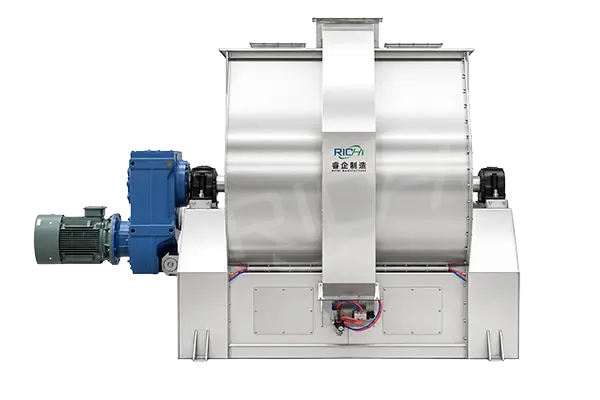
Poultry Feed Mixer Machine
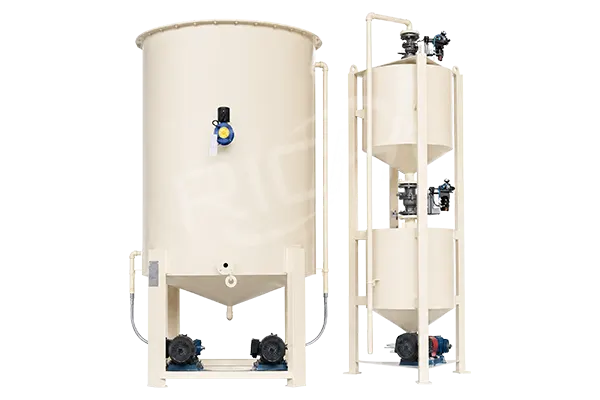
Liquid Adding Machine
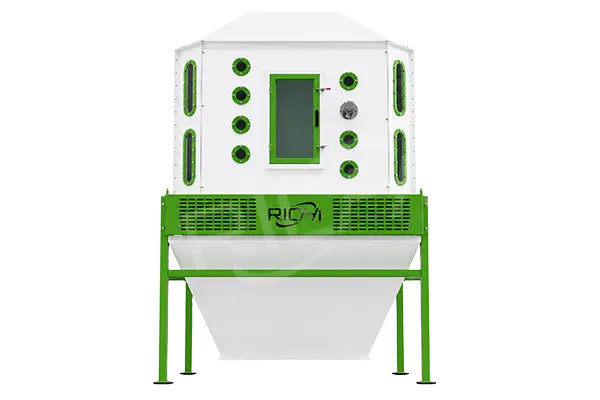
Counterflow Pellet Cooler
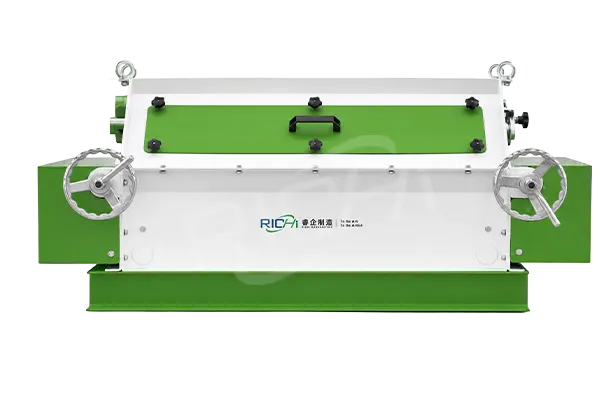
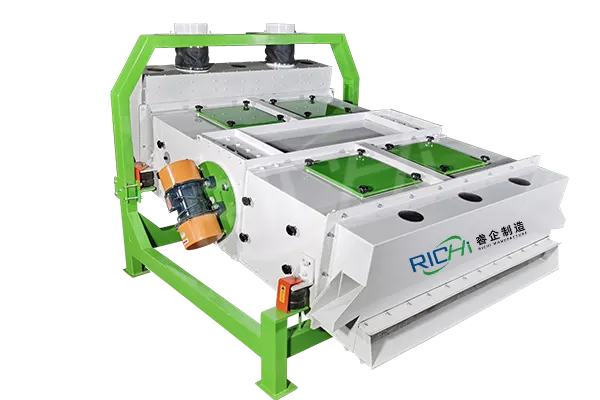
Vibrating Screening Machine
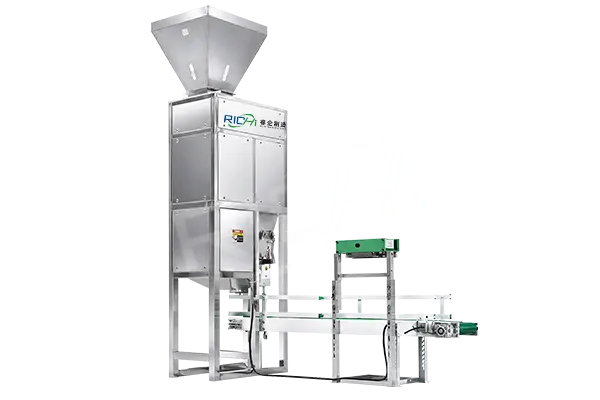
Turnkery Project Service
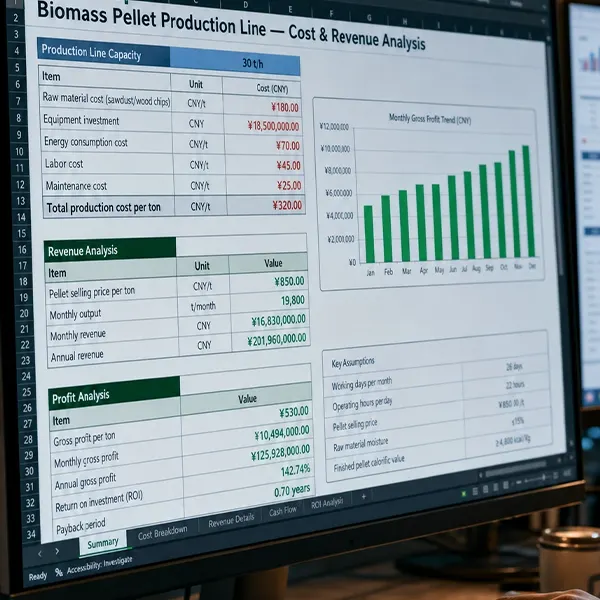
The “turnkey project” we define is far more than the mere delivery of equipment; it is a seamless handover from blueprints to the finished product. As your one-stop supplier, we transform the typically fragmented and high-risk process of plant construction into a unified, standardized service chain.

01
Customized Solutions
From raw material analysis to production capacity planning, our technical team designs the most competitive process solutions by taking into account local energy costs and environmental regulations.
02
Precision Manufacturing
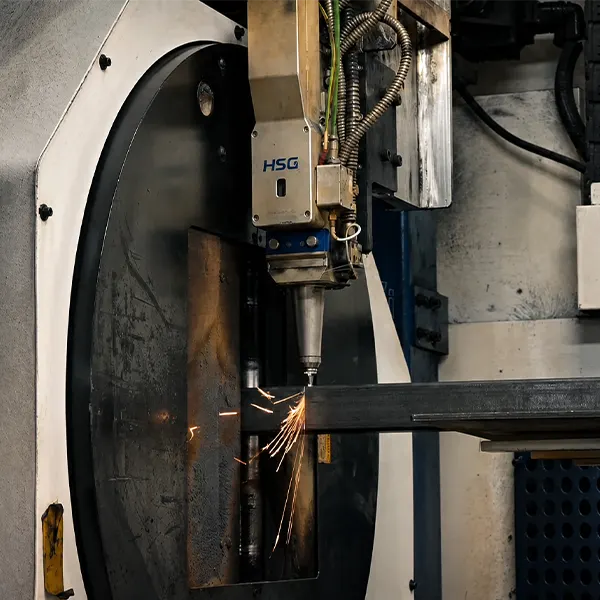
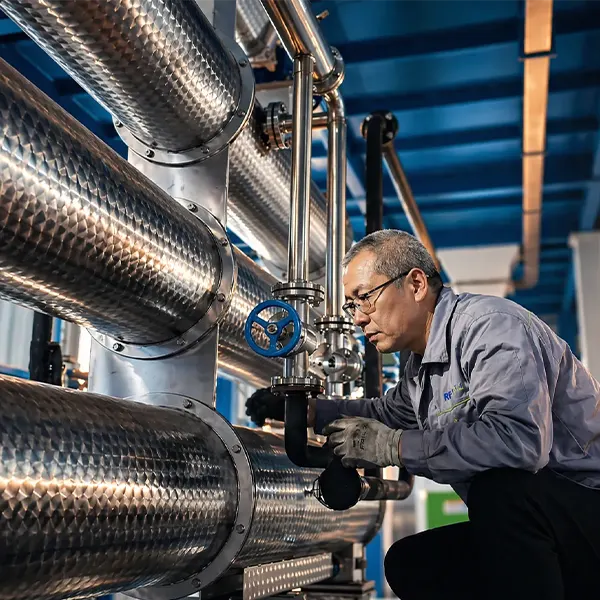
We strictly adhere to the ISO quality management system. All equipment is manufactured using standardized processes and undergoes rigorous quality inspections—including factory trial runs and no-load/load testing—to ensure performance meets required standards.
03
Global Logistics Coordination
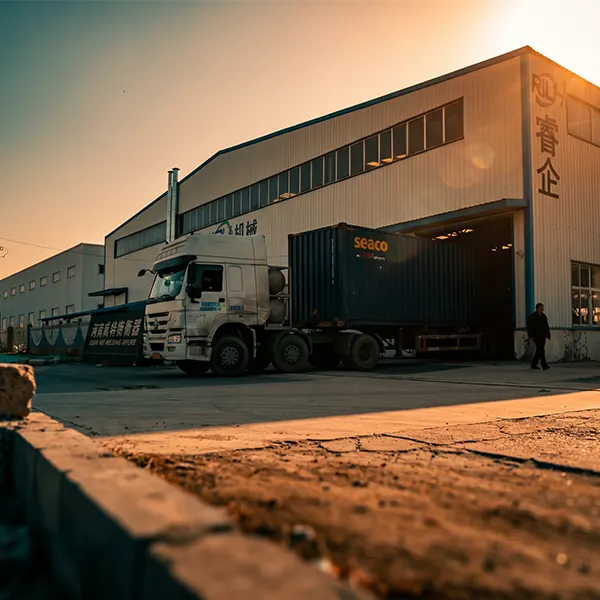
RICHI possesses extensive experience in international logistics operations. We take full responsibility for packing and reinforcement, moisture-proofing, customs documentation, and transport insurance coordination, while tracking the shipment throughout the process to ensure the equipment arrives safely and on schedule at the customer’s factory.
04
Installation and Commissioning
We will dispatch a team of technical experts to the client’s site to handle equipment assembly, piping installation, and electrical connections, as well as to oversee the entire commissioning process until the production line operates stably and meets all performance standards.
05
Operation and Maintenance Training
RICHI engineers provide hands-on, on-site training to staff, covering the complete operating procedure, routine maintenance, replacement of wear parts, and troubleshooting of common issues; English manuals and instructional videos are also provided.
06
Lifetime After-sales Support and Follow-up
The entire unit comes with a 12-month warranty, rapid supply of genuine parts, 24/7 remote technical support, and regular project follow-ups, ensuring long-term, stable production.
About RICHI
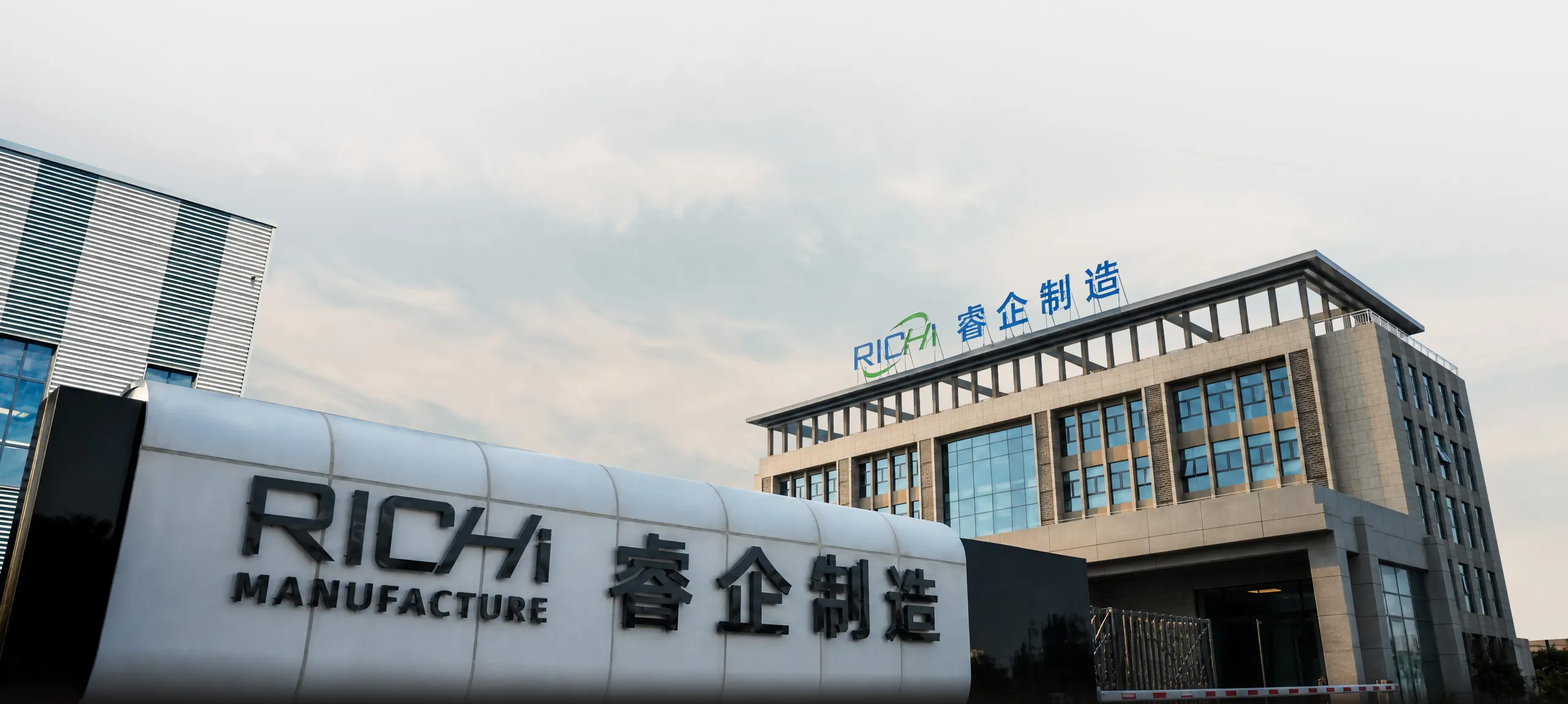
Henan Richi Manufacturing Co., Ltd., established in 1995, is a professional supplier of complete engineering equipment. We focus on providing complete production lines and one-stop solutions for animal feed, biomass pellets, organic fertilizer, cat litter production, and more.
30 Years+
Professional Manufacturer
2000+
Global Project Cases
10000+
Equipment Sold
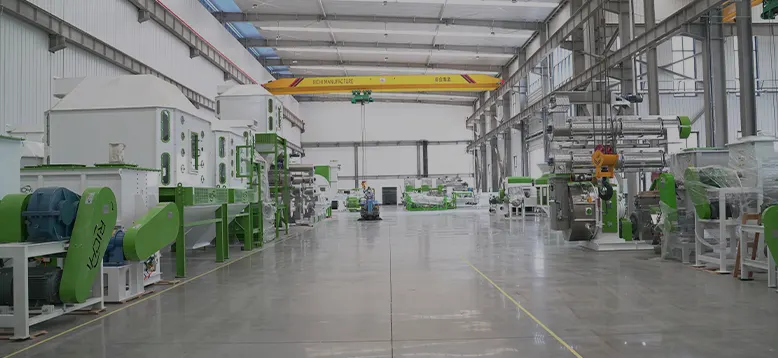
To be art, to be artist. We deliver premium turnkey projects with professional craftsmanship and innovation.
RICHI possesses CE, TÜV, Swiss SGS, RTN, BV, ISO9001 certification, and 24 patent certificates.

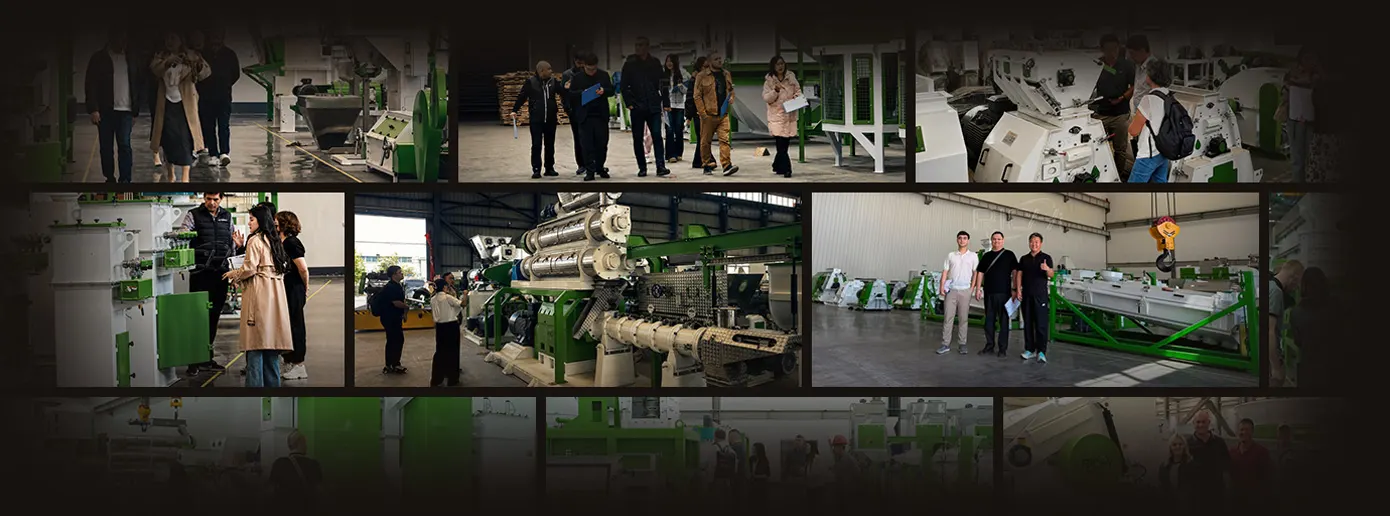
Client Visit
We welcome you to visit our factory for an on-site inspection, where you can witness firsthand our manufacturing capabilities across the entire production process—from raw material processing and component assembly to final machine testing.
Frequently Asked
Questions
What is the approximate total investment for building the small chicken feed manufacturing plant?
Investment costs vary depending on production capacity and equipment configuration. If producing only mash feed, an investment of just a few thousand US dollars is sufficient. For a pellet feed plant with a capacity of under one ton per hour, a basic configuration typically costs around 13,000 US dollars. A standard poultry feed production line with a capacity of 1–2 tons per hour generally requires an investment of 30,000 to 60,000 US dollars.
What core equipment is required?
A complete poultry feed pellet production line typically includes: a grinder, mixer, pellet mill, cooler, grading screen, and packaging machine, along with supporting conveying and lifting systems and dust removal systems.
How much floor area is required for the factory building?
For a standard small-scale plant, a floor area of approximately 300 square meters is recommended, comprising the production workshop, raw material warehouse, and finished goods warehouse.
What are the requirements for selecting a site for a feed mill?
It should be located away from residential areas, have convenient transportation access, be close to raw material sources or areas with high concentrations of livestock farming, and have a stable supply of water and electricity. Priority should be given to industrial parks or agricultural processing zones.
What after-sales services do you provide?
We provide installation and commissioning, operation training, process formula guidance, supply of wear parts, and remote technical support. (view our YouTube)
Leave us a message
RICHI is a professional one-stop pelleting solution provider with an extremely wide range of product applications. In addition to professional animal feed pelleting equipment, our expertise extends to biomass fuel pellets, organic fertilizer pellets, cat litter pellets, and many other high-demand industries.


E-mail:
enquiry@pelletisingmachine.com

Phone:
+86 133 5156 2443

WhatsApp:
+86 133 5156 2443
Online consultation
RICHI provide a seamless, end-to-end experience for your pellet production project. Our engineers conducts in-depth analyses of your raw materials, production needs, and site conditions to create the optimal production line solution for you.