8-10 T/H Straw Pellet Production Line in Brazil
Overview
— Richi Machinery —
8-10 T/H
Capacity(tons/hour)
6-8 mm
Pellet Size(mm)
40 Days
Installation Period(days)
$431,300
Guide Price(USD)
Brief Introduction
A client plans to build a straw pellet production line in Brazil, as Brazil’s energy structure, abundant resources and promising investment returns have prompted this decision.
First of all, as a major agricultural nation with vast cultivation areas for corn, soybeans, and sugarcane, Brazil possesses abundant reserves of agricultural crop straw. Establishing a straw pellet production line in Brazil allows for the transformation of low-value agricultural waste into high-value fuel, thereby enhancing resource utilization efficiency.
Furthermore, straw pellet fuel serves a wide range of applications, including industrial boilers, hot air furnaces, and biomass power generation. Amidst fluctuating energy prices, various Brazilian entities are seeking to reduce their reliance on natural gas, diesel, and grid electricity. Instead, they aim to transition to biomass fuels, which offer greater cost stability, thereby effectively lowering their long-term energy expenditures.
Consequently, having identified this promising business opportunity, this client has decided to invest in and construct a straw pellet production line in Brazil with a daily output capacity of 100 tons.
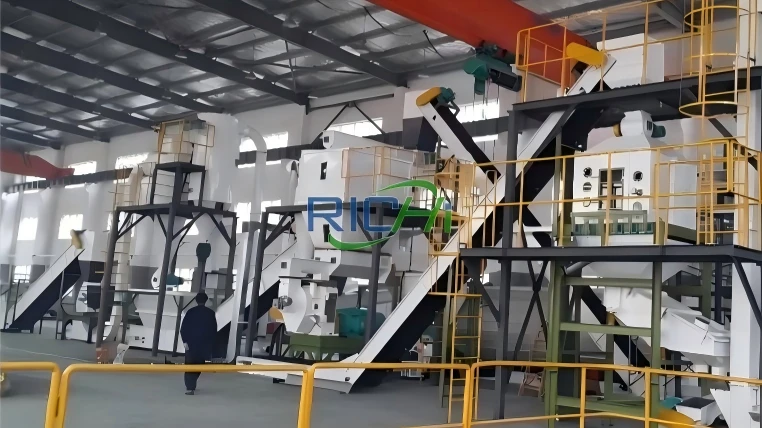
Key Equipment
RICHI provided a full range of equipment for the Brazilian straw pellet production line, covering the whole production process: straw bale breaking, crushing, pelletizing, cooling, screening and finished‑product packaging. We also supplied auxiliary equipment including conveyors and pulse dust collectors to the client.
| Main Equipment | Application |
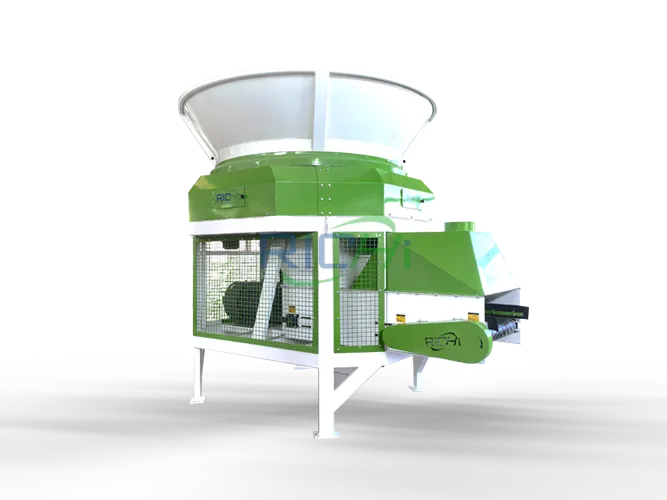
| Bale Breaker Machine | Breaking apart square hay bales or straw rolls into loose straw. |
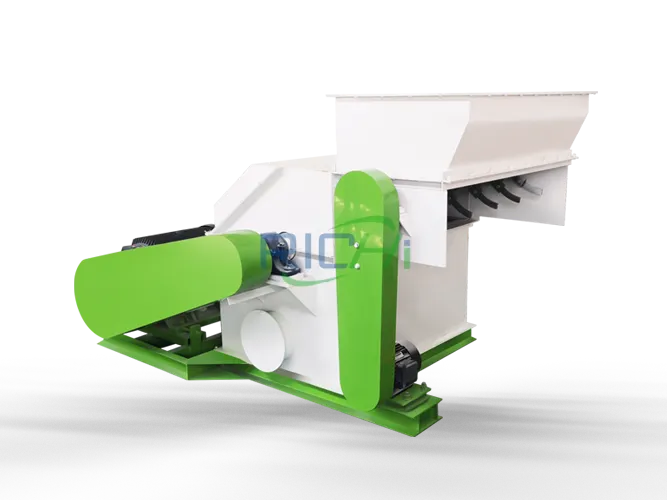
| Straw Crusher Machine | Crushing the raw materials into mash. |
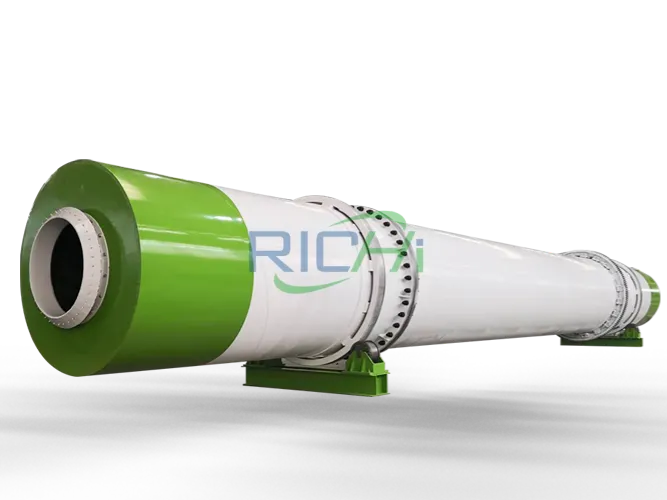
| Straw Drying Machine | Drying the straw to a moisture content of 10%–12%. |
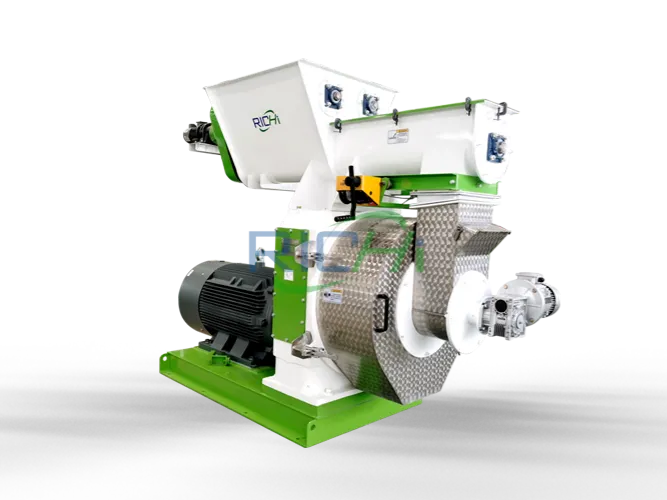
| Straw Pellet Mill | Turning powdery materials into dense straw pellets. |
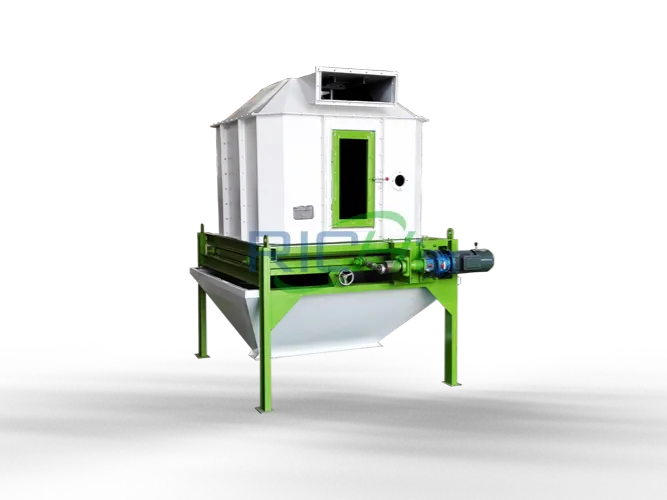
| Counterflow Pellet Cooler | Cooling down the pellets. |
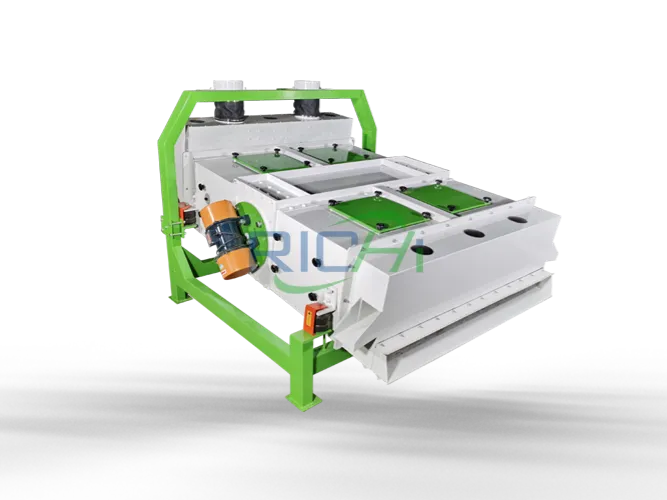
| Vibrating Screen Machine | Screening finished pellets. |
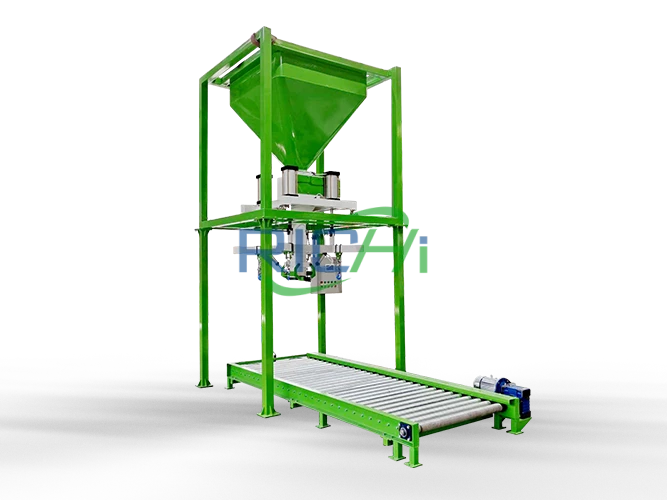
| Automatic Packaging Machine | Weighing and packing the finished pellets. |

Suitable Raw Materials
This straw pellet production line in Bazil processes a wide variety of raw materials, including agricultural waste such as corn stalks, soybean stalks, rice straw, cotton stalks, corn cobs, bagasse, sugarcane leaves, rice husks, coffee husks, banana stems, cottonseed hulls, and hay.
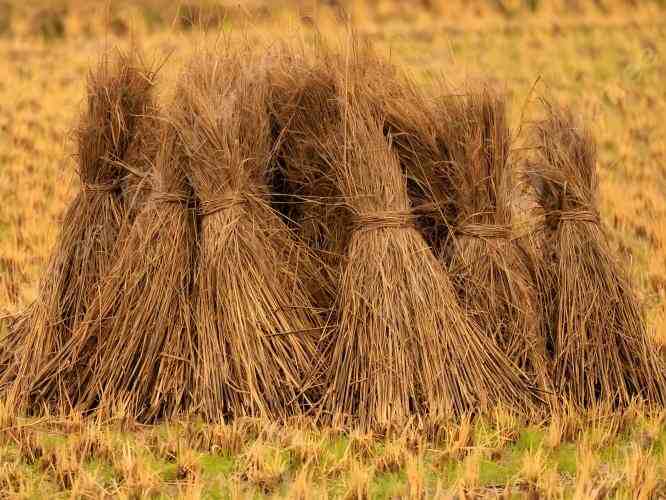
soybean stalks
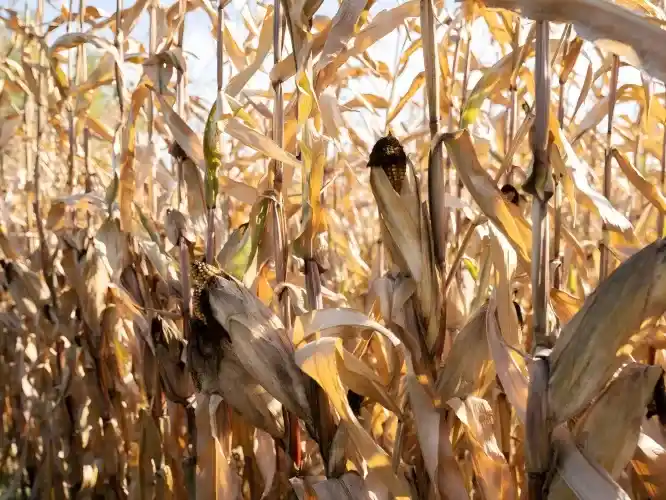
corn stalks
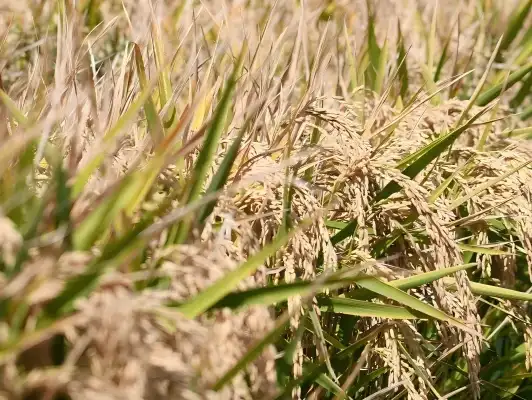
rice stalks
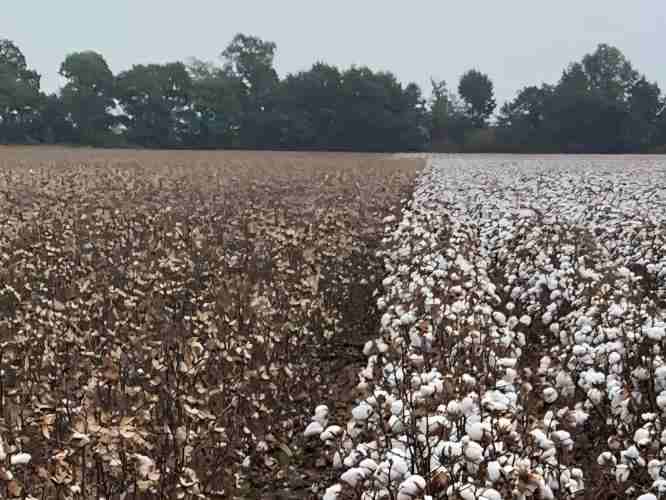
cotton stalks
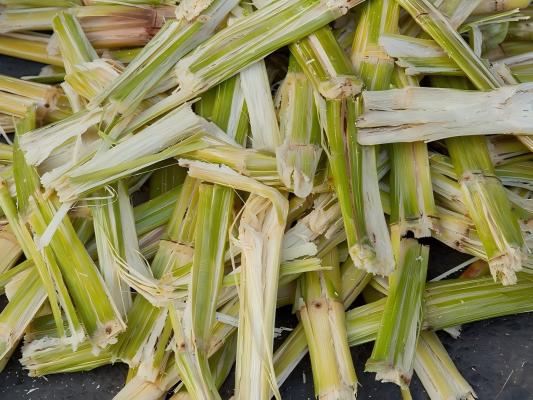
sugarcane bagasses
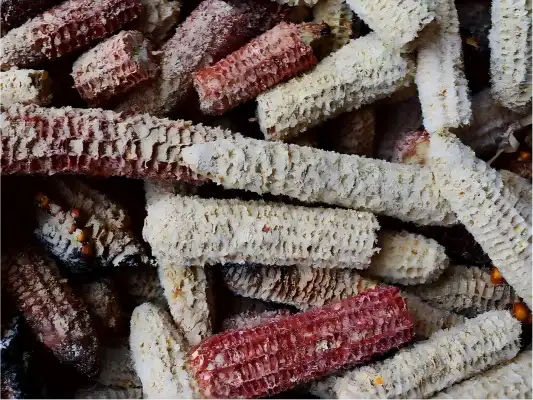
corn cobs
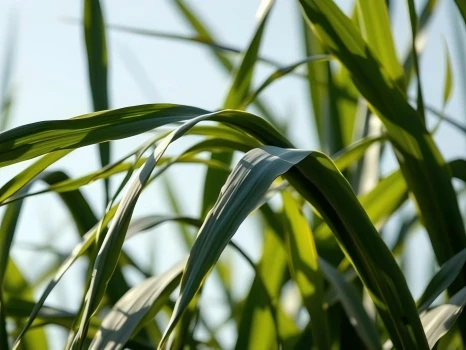
sugarcane leaves
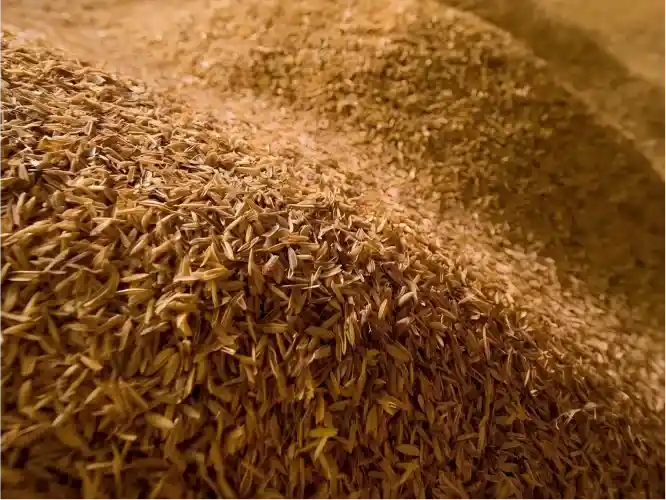
rice husks
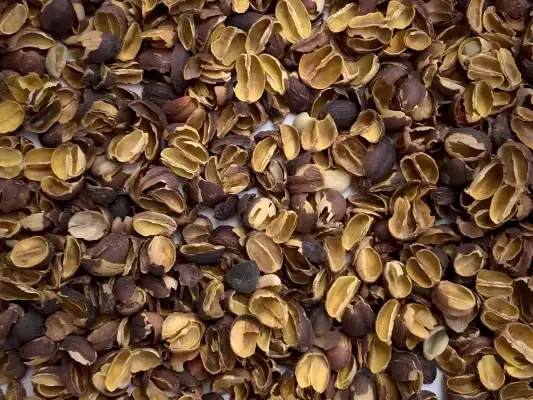
coffee husks
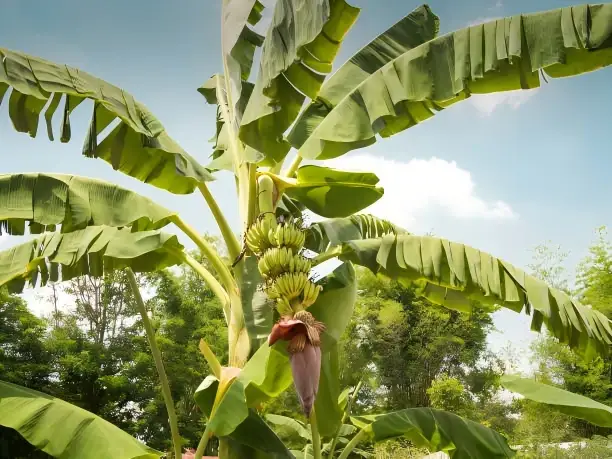
banana stalks
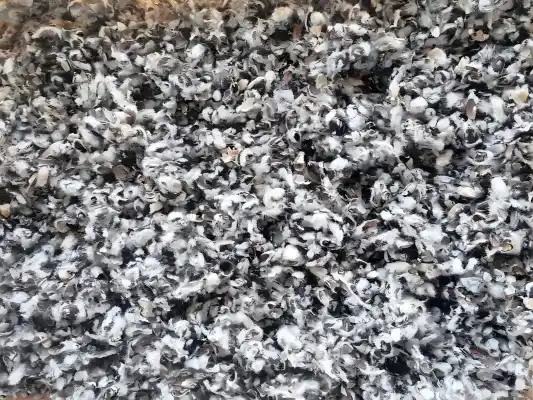
cottonseed hulls
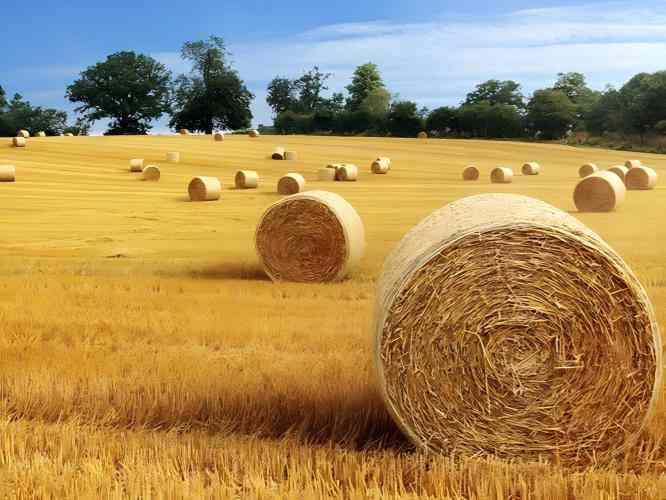
hay
Straw Pellet Production Line Process Flow
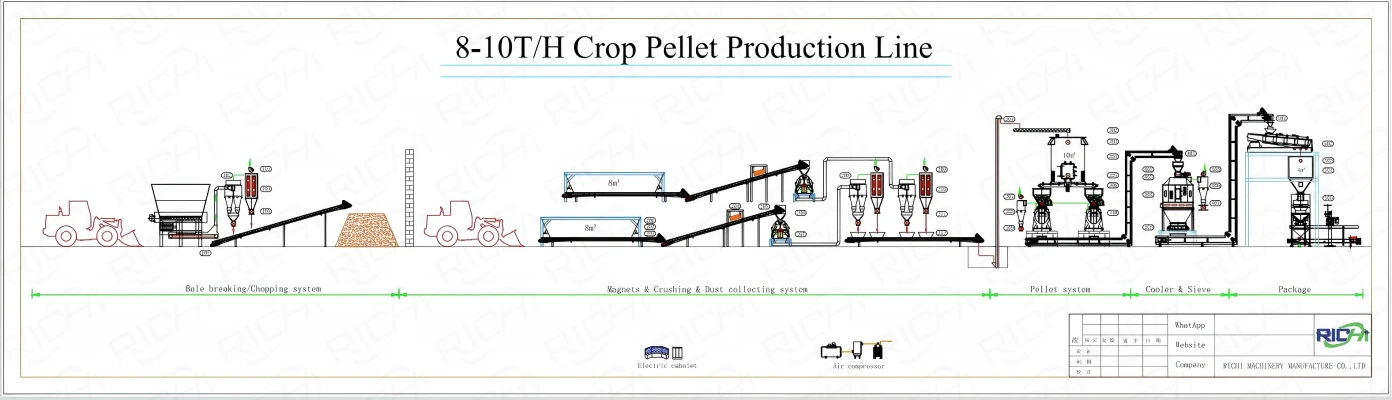
The straw pellet production line designed by RICHI for this Bazilian customer features an automated control system and encompasses a comprehensive and efficient process covering bale breaking, crushing, dust collecting, pelletizing, cooling, screening, and packaging. All processes are smoothly connected.
1
Bale Breaking Process
First, use a bale breaker to break apart the straw bales of various forms and cut them into short segments.
2
Raw Material Cleaning Process
Use a suspended iron remover to extract metal impurities from the straw, thereby preventing damage to the machinery.
3
Crushing Process:
Use a straw crusher to pulverize the cleaned straw into a powder, facilitating the pelletizing process. The pulverized straw powder is passed through a cyclone dust collector to remove dust, then fed into a pelletizer.
4
Pelleting Process:
Feed the crushed straw powder into a straw pellet mill. Under the combined extrusion force of the ring die and pressure rollers, the material is forced through the die holes, forming long strands. Simultaneously, cutters positioned on the outer side of the ring die sever these strands, producing small pellets of uniform length that meet preset specifications.
5
Cooling & Screening Process:
Feed the hot, newly‑made straw pellets into a counter‑flow cooler to bring them down to room temperature. Then use a vibrating screen to sift the cooled pellets and get finished qualified products. Any straw pellets that are too big or too small go back to be reprocessed.
6
Packaging Process:
An automatic packing machine weighs and bags the finished pellets according to the preset weight.
Our Full-Service Process
RICHI Machinery carefully figure out exactly what our Brazilian client needs. With that in mind, we offer full one‑stop services for their straw pellet production line in Brazil. We don’t just sell standard machines; instead, we tailor the whole solution specifically for them. From understanding their exact needs at the start to providing long‑term after‑sales support later on, we help our clients stay competitive for years to come.


Needs Assessment
We first talk with you in detail to learn about your raw materials, expected output and product standards. Our team is always here to help, so just get in touch with us anytime.


Customized Engineering
We design personalized production processes and factory layouts to make sure your straw pellet fuel is produced efficiently.


Specialized Manufacturing
We use good‑quality materials and up‑to‑date production methods to make reliable, high‑performance machines, so your equipment can run steadily all the time.


On-Site Implementation
Our skilled engineers will install and test the whole straw pellet production line in Brazil. We make sure the line works well and hits its planned output.


Operator Training
We give practical on‑job training for machine operation, daily maintenance, formula adjustment and emergency problem‑solving.


Sustained Support
We keep providing ongoing technical help, maintenance advice and spare parts to keep your production line working well in the long run. (View our YouTube)