家禽用飼料生産ライン ウズベキスタンで
近代化・自動化された家禽用飼料生産ラインは、ウズベキスタンの農業発展に寄与している。.
概要 家禽用飼料生産ライン ウズベキスタンで
— リッチ・マシナリー —
概要
ウズベキスタンの養鶏産業は急速に発展しており、それに伴い高品質な家禽用飼料への需要が継続的に高まっている。トウモロコシや小麦といった豊富な地元の農業資源が、飼料生産のための十分な原料を供給している。.
こうした状況下で、クライアントは、マッシュ飼料とペレット飼料の両方を生産できる、処理能力10~15 T/Hの自動鶏用飼料生産ラインの建設を計画しています。このプロジェクトは、地元および周辺地域の養鶏業界からの高品質飼料への需要に応えることを目的としており、それによって養鶏業の規模拡大と近代化を促進することを目指しています。.
- ペレットの直径: 0.5~12 mmの鶏用飼料(ヒナから成鶏までの全成長段階に対応)
- マッシュフィード: 特定の繁殖段階における栄養要件を満たすよう配合されています
- 原材料: トウモロコシ、小麦、ヒマワリ粕、油脂、プレミックスなど。.
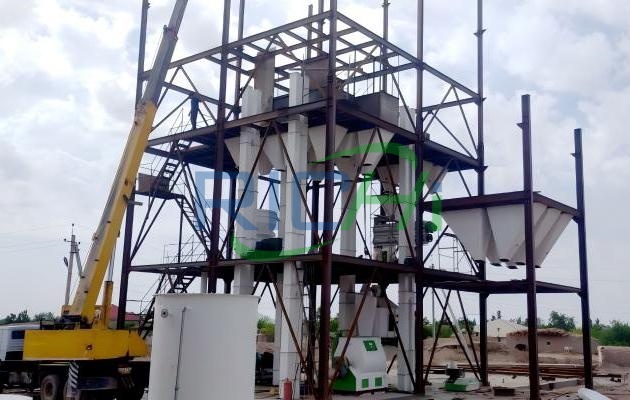
- プラントの仕様: 35m(長さ)×20m(幅)×25m(高さ)
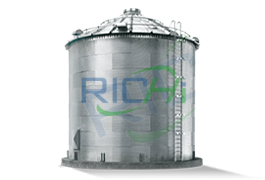
- 原材料の保管: 500トンのサイロ貯蔵システム
10~15 T/H
処理能力(トン/時間)
520 kW
総電力(kW/h)
90日間
設置期間(日)
$350,000
目安価格(米ドル)
プロジェクトの背景と市場の需要
中央アジアの主要な農業国であるウズベキスタンでは、近年、養鶏産業が急速に発展している。しかし、現地の飼料生産能力は限られており、養鶏業界における高品質な飼料への需要を満たすことができていない。本プロジェクトは、栄養バランスに優れ、品質が安定した養鶏用飼料を供給することで、この市場のギャップを埋めることを目的としている。.
ウズベキスタンにおける養鶏業の現状
所得の増加に伴い、1人当たりの年間家禽消費量は大幅に増加し、地元の養鶏・畜産業の拡大を牽引している。農場の数は着実に増加し、2025年までに50件近くに達した。 ウズベキスタン政府も養鶏業に対して強力な政策支援を行っており、その発展をさらに後押ししている。しかし、現地の飼料生産能力は限られており、業界の高品質な飼料に対する需要を満たすことができないため、一部は輸入に依存せざるを得ない状況にある。.
地域の飼料市場分析
ウズベキスタンの飼料市場は現在、次のような課題に直面している。
- 技術や設備が旧式な小規模な飼料生産企業。.
- 製品品質のばらつきや、栄養成分のバランスが不均衡であること。.
- 生産効率が低く、コストが高い。.
- 畜産業からの需要が急速に拡大しているのに対し、生産能力が追いついていない。.
- 科学的な配合の欠如と、飼料転換率の低さ。.

本プロジェクトはこうした背景のもとで構想され、近代的な飼料生産拠点を建設することで市場の空白を埋め、ウズベキスタンの養鶏業界に栄養バランスに優れた高品質な飼料製品を供給すると同時に、多大な投資収益を生み出すことを目的としています。.
主な技術的ソリューション
このウズベキスタン向けの家禽用飼料生産ソリューションの設計にあたり、当社のエンジニアは、お客様の投資予算の管理を最優先とし、先進的なプロセスと高性能な設備を採用するとともに、環境に配慮した設計を取り入れることで、生産ラインの効率的かつ安定的で高品質な稼働を確保しています。.

ウズベキスタンにおける家禽用飼料生産ラインの全工程フロー
ウズベキスタンにおける10~15 T/Hの家禽用飼料生産ラインプロジェクトでは、製品の品質と生産効率を確保するため、国際的に先進的な飼料生産技術を採用しています。この生産ラインには、主に原料の受入、粉砕、計量・混合、コンディショニング、ペレット化、冷却、選別、および完成品の包装といった工程が含まれます。.

1
原材料の洗浄:
新しく納入された原材料(トウモロコシ、小麦、ソルガム、大豆粕、小麦ふすまなど)には、石、雑草、金属片、さらにはカビの生えた粒子が混入している場合があります。これらは設備を損傷させたり、家畜の健康問題を引き起こしたりする恐れがあるため、選別と洗浄を行う必要があります。.
2
粉砕:
洗浄済みの原料は、その特性に応じて、ドロップ式ハンマーミルに供給され、適切な粒子サイズに粉砕されます。これにより、その後の栄養成分の混合および成形に向けた準備が整います。.
3
バッチ処理と混合:
配合表に基づき、すべての原材料を正確に計量し、所定の割合で配合します。準備した原材料をミキサーに投入し、高速で撹拌することで、すべての原材料が均一に混ざり合うようにします。これにより、動物の偏食を防ぎ、栄養バランスを確保します。 この段階で、飼料の栄養価を高めるために、その他の飼料添加物(肉骨粉、アミノ酸、魚粉、ビタミンなど)を添加することも可能です。.
4
コンディショニング:
混合された原料は供給ホッパーを通じてコンディショナーに送り込まれ、そこで蒸気と水と十分に混合されます。原料の殺菌、熟成、および糊化の工程は、高温多湿の環境下で行われ、その後のペレット化に向けた基礎が築かれます。.
5
ペレット化:
処理済みの原料は、搬送装置を介して飼料ペレット製造機へと運ばれます。ローラーとダイスの押出作用により、さまざまな仕様のペレット飼料に成形されます。このペレット製造機では、ペレットのサイズ要件に応じてダイスやカッターのパラメータを柔軟に調整できるため、最終的なペレットの寸法を精密に制御することができます。.
6
冷却:
製造直後のペレット飼料は高温で、表面の水分含有量が高いため、カビの発生を防ぐために向流式冷却機を用いて室温まで冷却する必要があります。.
7
上映:
冷却後、飼料ペレットは振動スクリーンで選別され、規格品、破損ペレット、粉末に分けられます。規格品は完成品倉庫に搬入され、包装を待ちますが、破損ペレットと粉末は二次加工のためにリサイクルされます。.
8
パッケージ:
選別・検査を経て基準を満たした完成飼料は、搬送装置を介して自動包装システムへと運ばれ、そこであらかじめ設定された重量に従って計量・包装されます。.
ウズベキスタンの家禽用飼料生産ラインの主要設備
ウズベキスタンにあるこの家禽用飼料生産ラインは、すべての主要工程を網羅した高スペックの完全自動化ラインであり、主要設備は業界トップクラスの仕様から厳選されています。すべてが、最高の信頼性と投資収益率を実現するよう設計されています。.
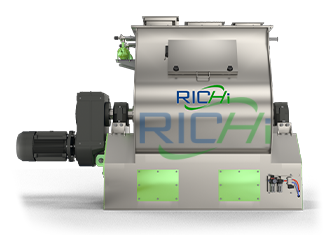
| メインマシン | モデル | 用途 |
|---|---|---|
| ドロップ式ハンマーミル | SFPS-66*60 (110 kW) | 原料を粉砕して粉末にする |
| 二軸パドルミキサー | 1000kg/バッチ | すべての材料を均一に混ぜ合わせる |
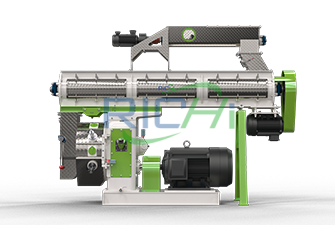
| 動物用飼料ペレット製造機 | SZLH-420(110 kW) | 原材料を圧縮して飼料ペレットにする |
| 向流式冷却器 | SKLN-20*20 | ペレットの温度を下げる |
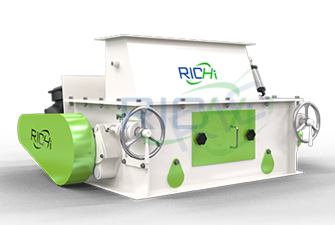
| ペレット粉砕機 | SSLG-15*150 | ペレットを均一なパン粉状になるまで砕く |
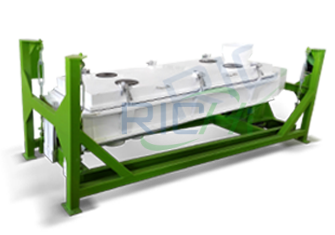
| 振動スクリーン | SFJZ-100*1C/2C | 完成したペレットの選別 |
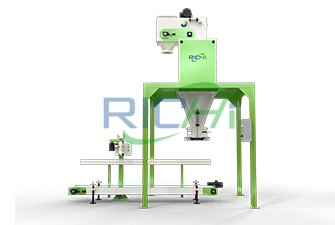
| 包装機 | DCS-50FB | 完成したペレットを計量し、梱包する |
| 貯蔵サイロ | ステンレス製サイロ | 原材料および完成ペレットの保管 |
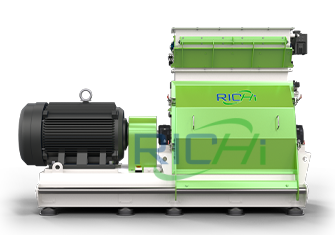

ペレット粉砕機
振動スクリーン
包装機
貯蔵サイロ
プロジェクトの実施
RICHIのワンストップソリューションシステムは、ソリューションの設計、機器の製造、商品の輸送、アフターサービスなど、さまざまな側面を網羅しており、あらゆる面で完璧なプロジェクトをご提供いたします。.
1
プロジェクトの準備
2023年7月に本プロジェクトが開始されて以来、当社は速やかに専門チームを編成し、お客様のニーズや現場の状況に基づき、綿密な総合生産計画を策定するとともに、基礎図面、鉄骨組立図、設備据付図を作成し、必要な設備や資材を準備することで、プロジェクトの円滑な進行に向けた基盤を築きました。.

2
設備の据え付けおよび試運転
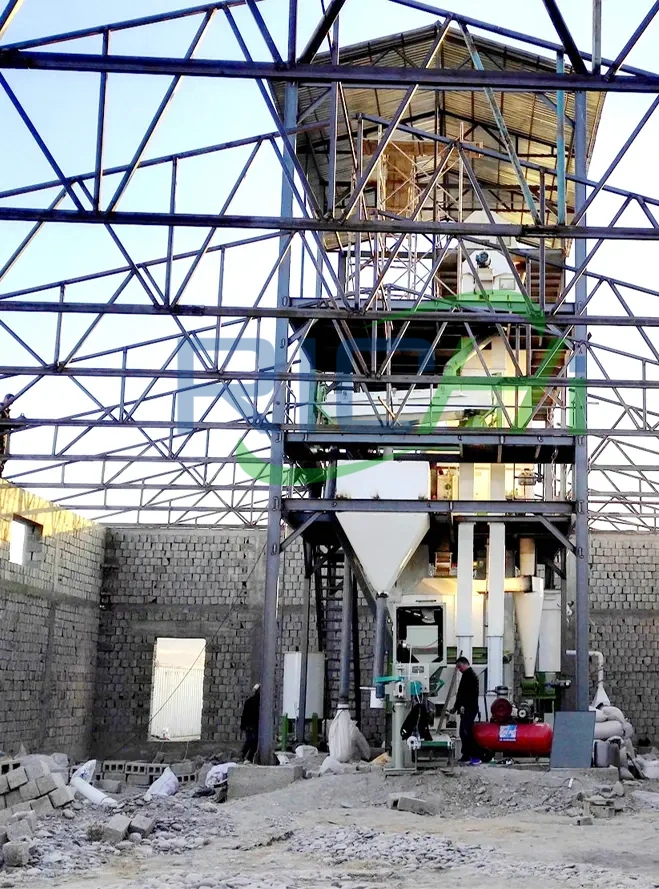
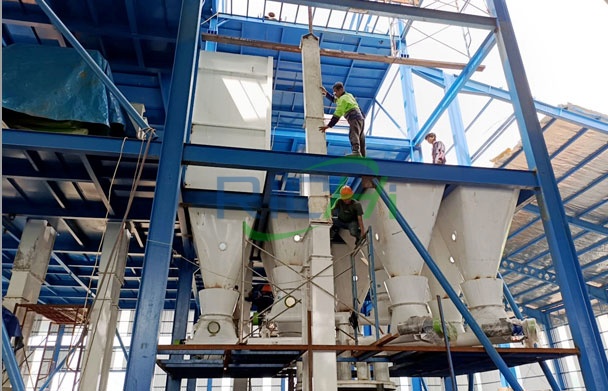
経験豊富なエンジニア6名が、ウズベキスタンのプロジェクト現場に派遣され、設備の据え付けを指導しました。モジュール式据え付け方式を採用した結果、90日間という厳しい工期の中ですべての設備が効率的に設置され、生産ラインが円滑に稼働できるようになりました。.
3
作戦訓練
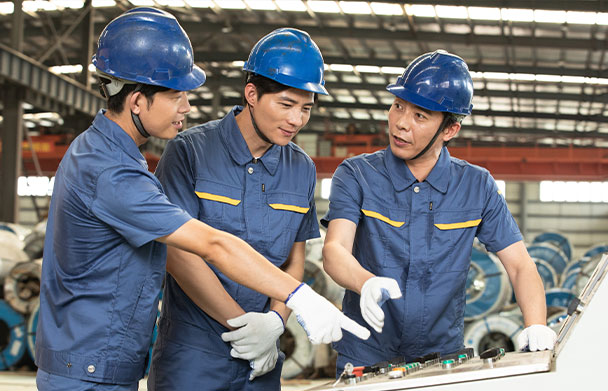
設置後、当社の技術者は、お客様のオペレーター7名に対し、機器の操作、日常のメンテナンス、安全規則などを網羅した包括的かつ体系的な研修を実施し、彼らが機器の使用および管理を習得できるようにしました。.
4
試作
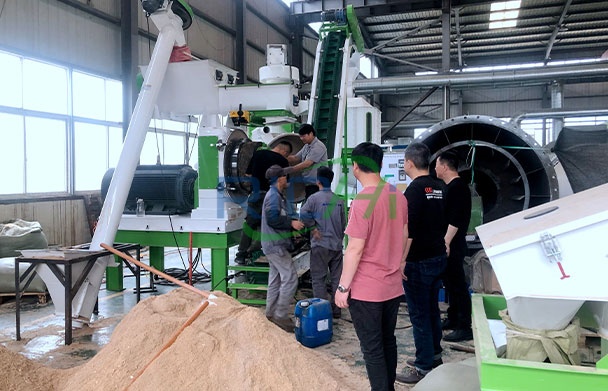
工場従業員に対して包括的な研修を実施した後、生産ラインの試運転が開始された。顧客が求める生産基準を満たしていることを確認するため、生産ラインのさまざまな性能指標について試験と最適化が行われた。.
アフターサービス体制
当社は、生産ラインの長期にわたる安定稼働を確保し、お客様に継続的な価値を提供するため、包括的なアフターサービス体制を整えています。.
機器の包括保証
機器の包括保証
当社のプロジェクトにおいて、主要機器には1年間の保証を付けています。.
保証期間中は、人為的要因以外の原因による機器の故障に対し、無償での部品交換および修理サービスを提供いたします。これにより、お客様の生産の継続性を確保し、ご不安を最小限に抑えます。.
24時間365日対応のオンライン技術サポート
当社は24時間365日のオンライン技術サポートを提供しています。操作に関するご質問や予期せぬ不具合が発生した場合は、専用ホットラインを通じて当社のオンラインエンジニアにご連絡いただければ、迅速かつ専門的なリモート診断と解決策のご案内を行い、問題を速やかに解決いたします。.
包括的なドキュメント作成サポート
プロジェクトの引き渡しに際しては、お客様の日常的な運用・保守を円滑に行うため、機器の操作・保守マニュアル、基礎図面、鉄骨構造の据付図面、機器の据付図面、部品表、および消耗部品カタログなど、完全かつ分かりやすい技術文書一式をご提供いたします。.
体系的な操作研修
設備の据え付けおよび試運転の際、当社のエンジニアが貴社の工場従業員に対し、実践的かつ体系的な研修を行います。.
この研修では、設備の原理、標準的な操作手順、日常のメンテナンス、トラブルシューティング、および安全上の注意事項について解説し、貴社のチームが生産ライン全体を熟練して操作できるよう支援します。.
予防的な定期メンテナンス
当社のアフターサービスチームは、定期的にお客様へのフォローアップを行い、機器のメンテナンスや点検を適時実施していただくようご案内するとともに、機器の状態確認のお手伝いをし、お客様の生産ラインが長期にわたり安定して稼働できるようサポートいたします。.
長期的なパートナーシップの支援
保証期間が終了した後も、RICHIは引き続き、市場価格よりも大幅に安い価格で、生涯にわたる技術サポートと交換部品の供給を提供いたします。.
さらに、お客様の事業展開を継続的に注視し、生産能力の拡大や製品のアップグレードといったニーズに応じて、最適なソリューションをご提供してまいります。.