Poultry Feed Making
Machine Price

Poultry Feed Making
Machine Price Overview
The price of poultry food processing equipment varies depending on the scale of production and specific operational requirements. For instance, a farm producing feed for its own use might only need a grinder and a mixer; if the production of pelleted feed is desired, a flat-die pellet mill can be added. In contrast, a commercial poultry feed mill would typically require a complete suite of equipment covering the entire process—from raw material intake to the packaging of the finished product.
The chicken feed making machine price ranges, categorized by production capacity, are provided below.
Price differences based on production capacity
poultry feed processing machine Display
Taking the production of a full range of poultry feed (mash, pellets, and crumbles) as an example, a complete set of poultry feed processing equipment typically includes raw material cleaning equipment, batching scales, feed grinders, mixers, oil/liquid addition systems, poultry feed pellet mills, pellet coolers, crumblers, grading screens, and packaging machines, as well as conveying and dust-removal systems. Below, we highlight several key pieces of equipment.
① Grinding
② Mixing
③ Pelletizing
④ Cooling
⑤ Crumbling
⑥ Screening
⑦ Packaing
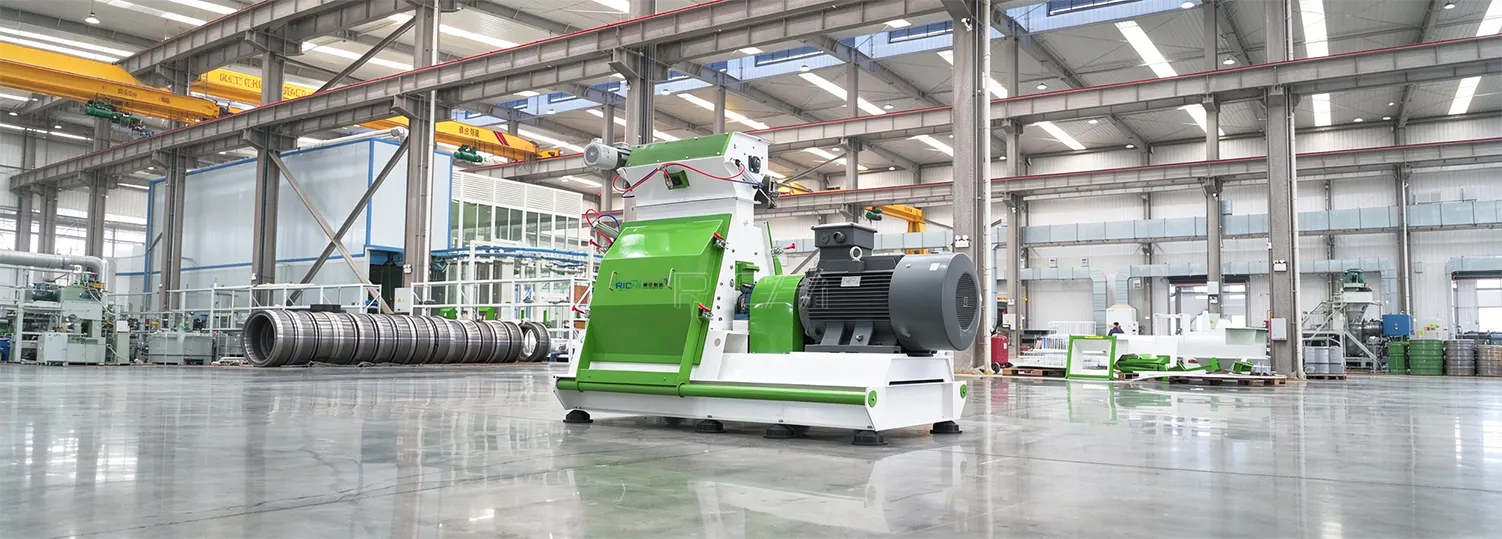
① Poultry Feed Grinder Machine
To grind raw materials such as corn, wheat, soybean meal, and wheat bran into a powdery form.
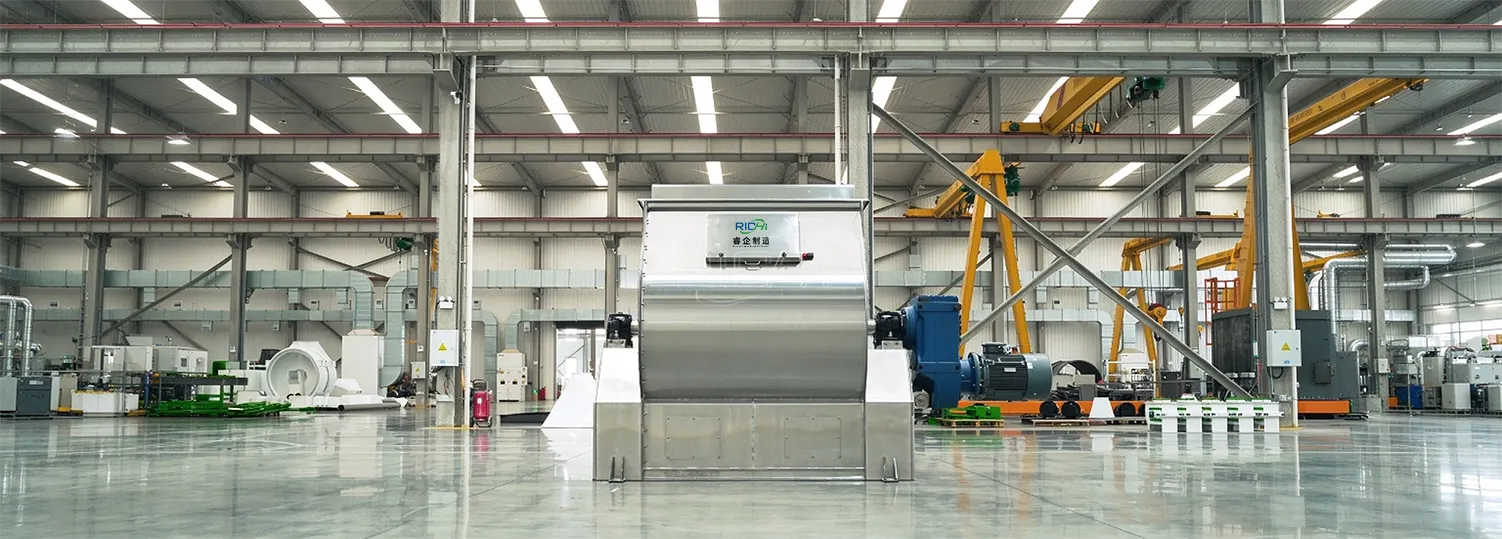
Poultry Feed Mixer Machine
To blend various raw materials thoroughly, ensuring a nutritionally balanced feed.
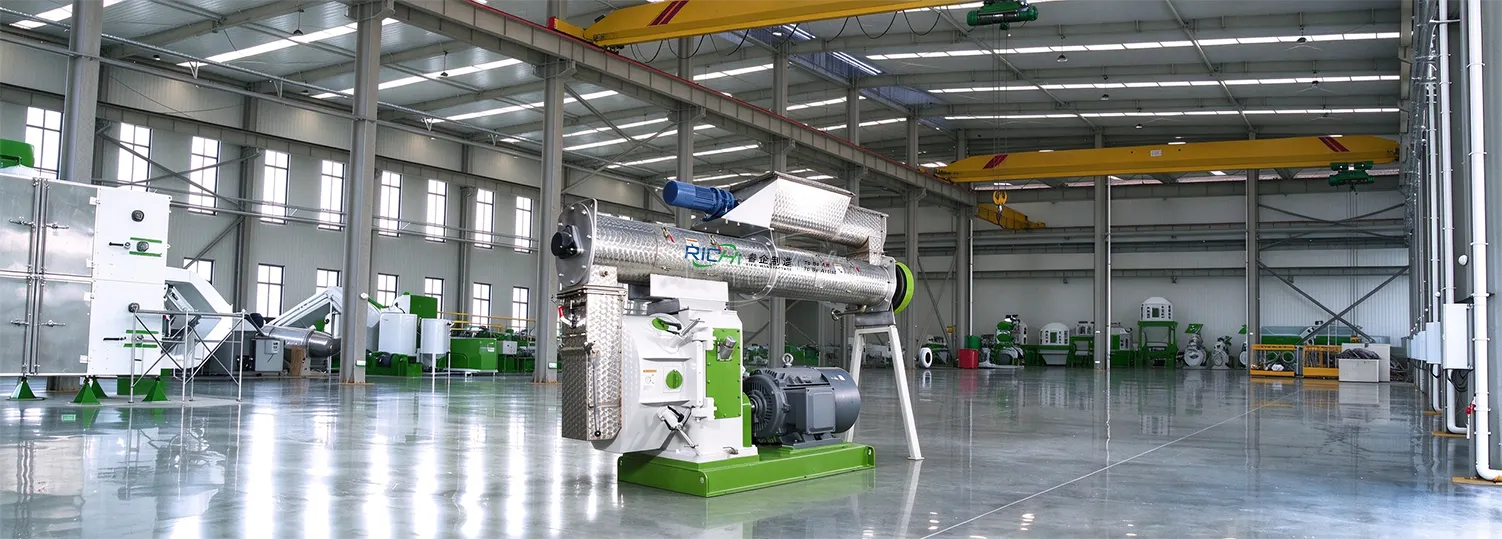
Poultry Feed Pellet Machine
To compress mash into poultry feed pellets, thereby improving palatability, reducing waste, and enhancing digestibility and absorption.
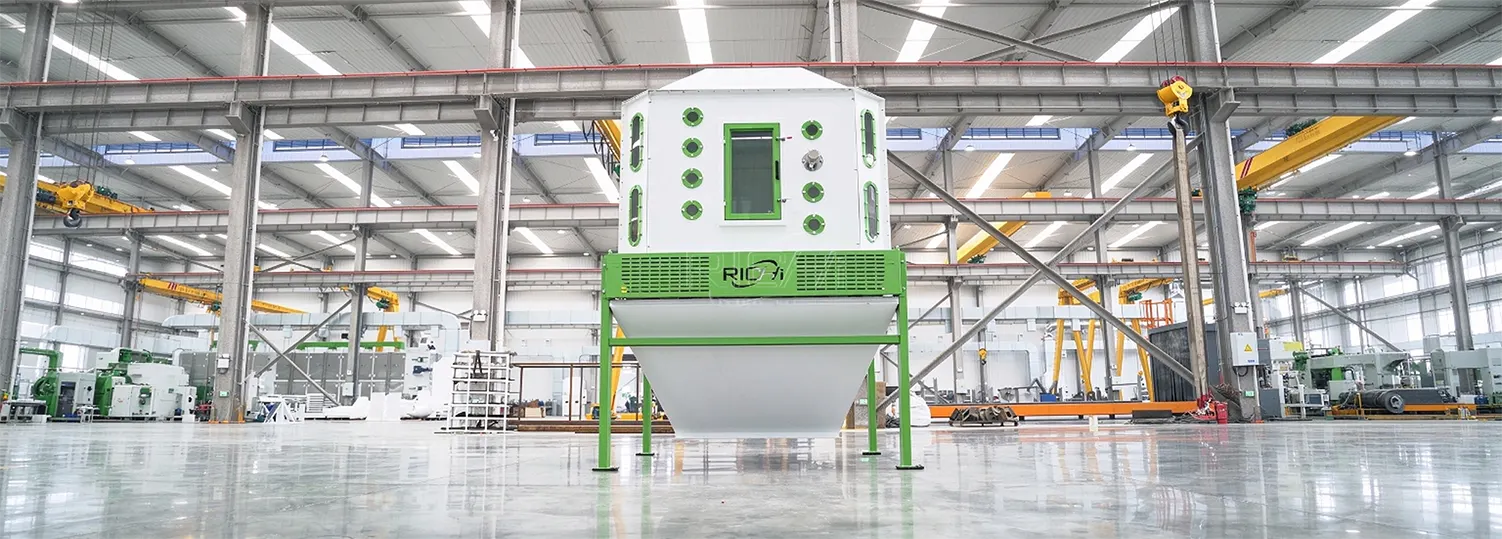
Pellet Cooler Machine
Rapidly cools high-temperature pellets to room temperature, increases pellet hardness, and prevents mold growth.
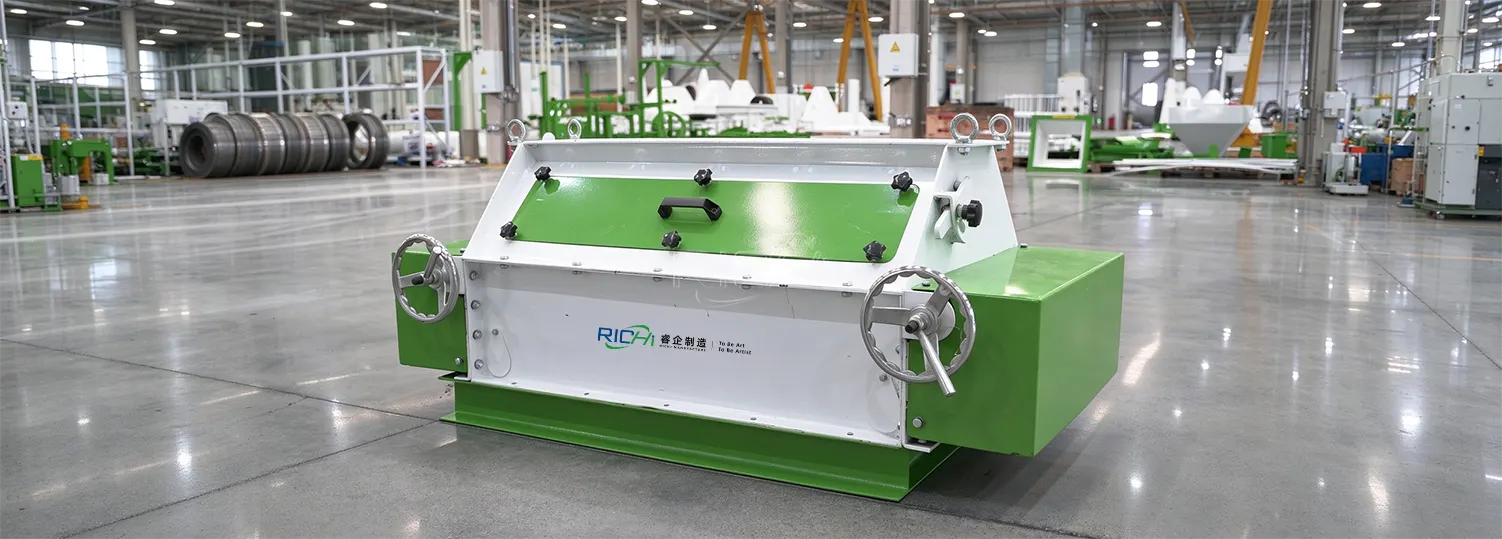
Poultry Feed Crumble Machine
To break down large feed particles into smaller-sized crumbles (1-1.5mm ) suitable for consumption by young poultry.
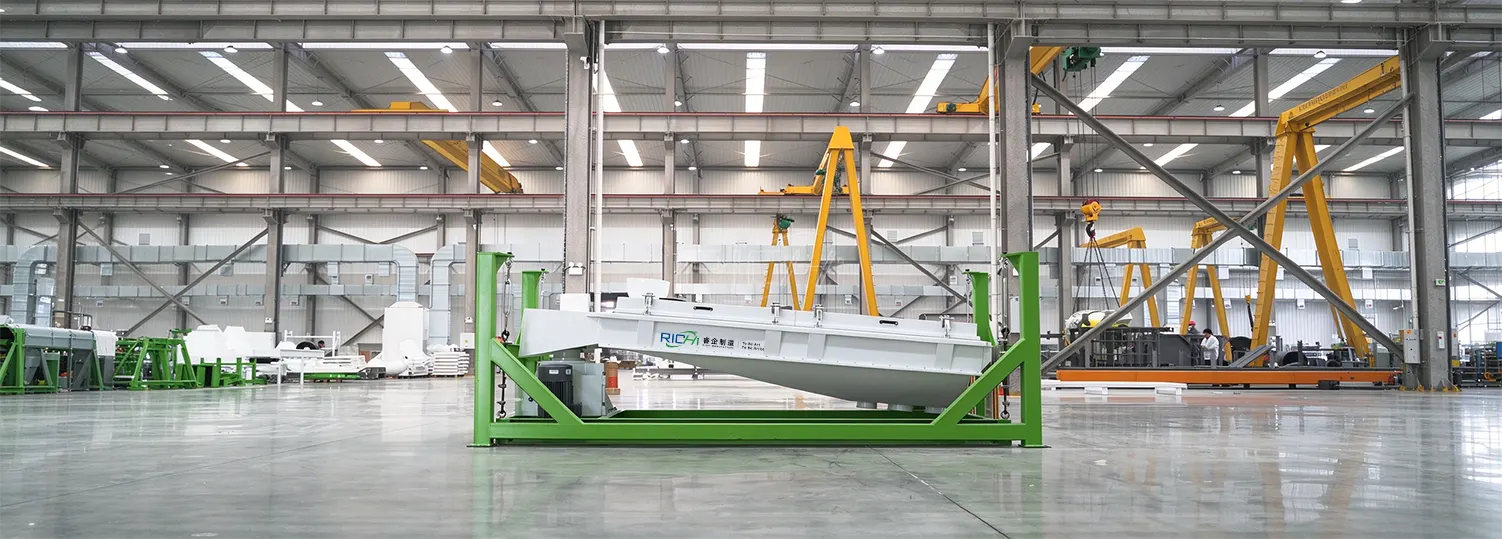
Screening Machine
To separate particles and powders of the correct size from larger particles.
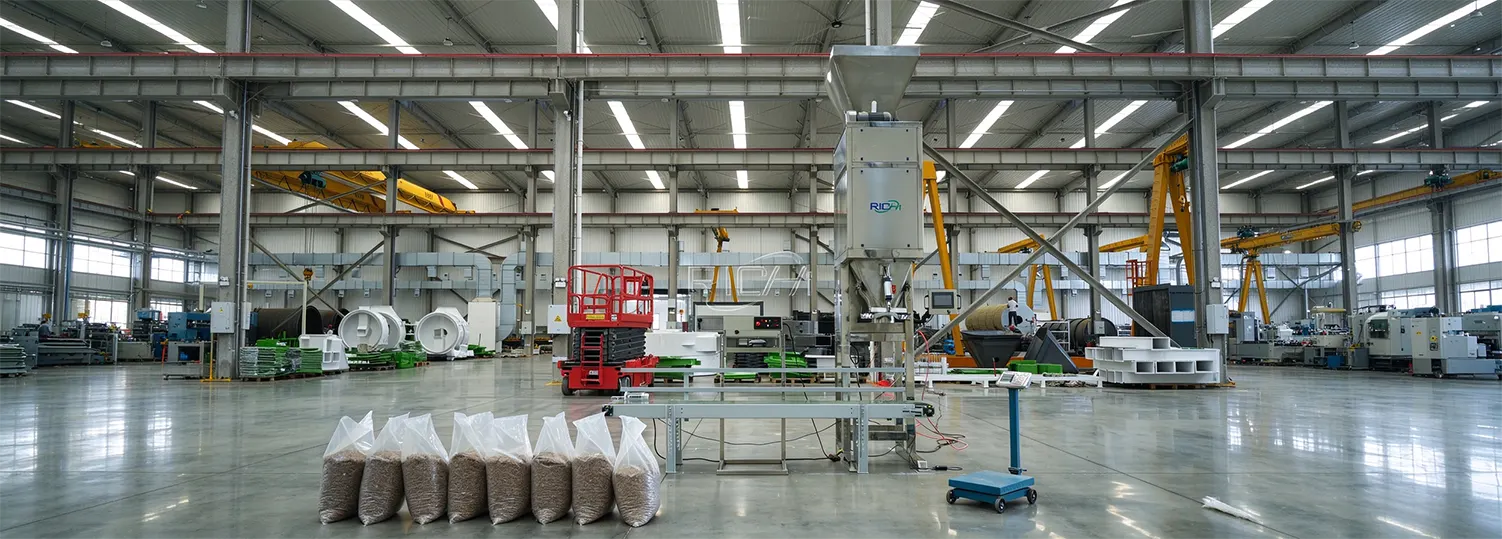
Automatic Packaing Machine
Used for the automated weighing, filling and bagging, sealing, and subsequent processing of poultry feed.
poultry feed machine price list
Poultry Feed Pellet Machine Price
| Model | SZLH250 | SZLH320 | SZLH350 | SZLH420 | SZLH508 | SZLH558 | SZLH678 | SZLH768 |
|---|---|---|---|---|---|---|---|---|
| Capacity (T/H) | 1.0-1.5 | 3-4 | 5-6 | 10-12 | 15-16 | 20-22 | 30-33 | 38-40 |
| Price | $7,500 | $16,700 | $29,000 | $30,600 | $42,400 | $50,100 | $67,100 | $80,500 |
| Main Motor Power (kW) | 22 | 37 | 55 | 110 | 160 | 185 | 250 | 315 |
| Feeder Power (kW) | 1.1 | 1.5 | 1.5 | 1.5 | 1.5 | 1.5 | 1.5 | 2.2 |
| Modulator Power (kW) | 1.5 | 4 | 4 | 7.5 | 7.5 | 11 | 11 | 11 |
| Die Diameter (mm) | 250 | 320 | 350 | 420 | 508 | 558 | 673 | 762 |
| Pellet Diameter (mm) | 2~12 | |||||||
Other poultry feed machine price
| Equipment | Price Range |
|---|---|
| Cylindrical Pre-Cleaner Machine | $1,400 USD ~ $2,000 USD |
| Automatic Batching System | $12,000 USD ~ $ 85,000 USD |
| Poultry Feed Grinder Machine | $5,300 USD ~ $35,000 USD |
| Poultry Feed Mixer Machine | $2,800 USD ~ $36,500 USD |
| Liquid Additon Machine | $2,000 USD ~ $5,000 USD |
| Counterflow Pellet Cooler Machine | $4,000 USD ~$20,000 USD |
| Pellet Sieving machine | $2,000 USD ~ $10,000 USD |
| Feed Bagging Machine | $5,000 USD ~ $10,000 USD |
| Cyclone | $500 USD ~ $2,000 USD |
Because RICHI’s technology is constantly being updated and iterated, we will continuously upgrade and innovate our equipment. Therefore, the specific equipment parameters are subject to the actual quotation. We will provide more professional customized design and production services for each customer.
poultry feed production machines Exported worldwide
RICHI’s poultry feed making machine has been successfully exported to numerous countries worldwide, earning consistent praise from our clients. We can privide customized solutions tailored to your specific requirements, while carefully considering factors such as the type of raw materials, production scale, and investment budget. Whether you are a farm looking to produce your own feed, a small startup, or a large-scale industrial feed manufacturer, we can provide the optimal solution to meet your needs.
1-2 T/H Chicken Feed Machine Exported Kazakhstan
- Client Profile: poultry farm with an inventory of 3,000 chickens and ducks.
- Core Requirement:Currently reliant on long-term external procurement of finished feed, resulting in high feed cost pressure; the client wishes to produce their own mash and pelleted feed.
- Equipment Configuration:Grinding, mixing, pelletizing, and cooling.
- Price:$38,010 USD
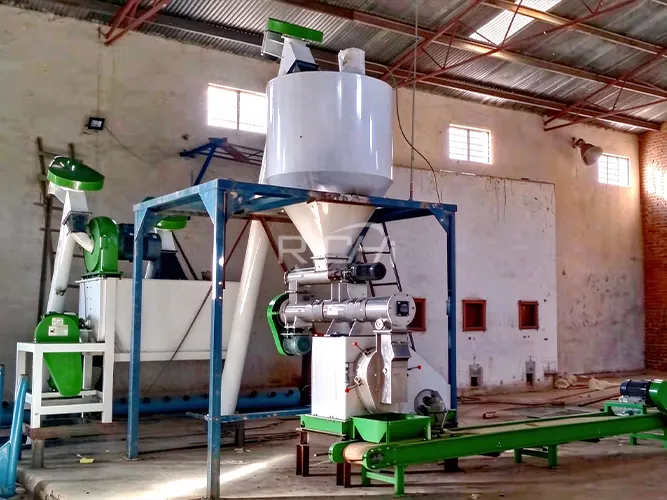
1-2 T/H Poultry Feed Maker Machine Exported Uruguay
- Client Profile:small chicken feed mill
- Core Requirements:Production of mash feed, pelleted feed, and crumbles
- Equipment Configuration:Hammer mill, mixer, SZLH250 pellet mill, cooler, crumbler, screener, and bag-sewing machine
- Price:$48,900 USD
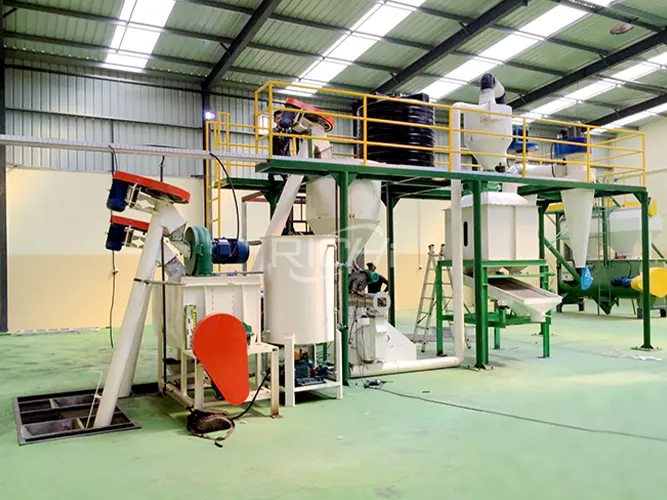
3-4 T/H Chicken Feed Production Machine Exported Tanzania
- Client Profile:regional poultry feed mill
- Core Requirements:Primarily focused on producing mash feed, with the flexibility to manufacture pelleted poultry feed based on market demand.
- Equipment Configuration:Feed hammer mill, mixer, oil addition tank, SZLH320 poultry feed pellet mill, cooler, screener, and bagging machine.
- Price:$67,900 USD
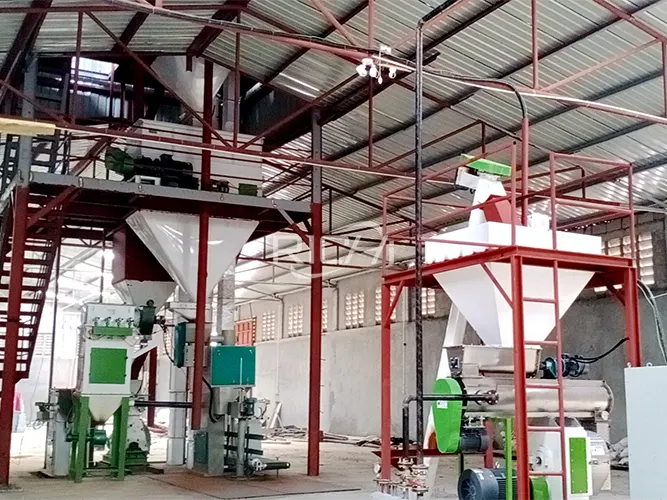
3-4 T/H Poultry Feed Mill Equipment Exported Malaysia
- Client Profile:commercial poultry feed mill
- Core Requirement:The client already operates a production line for mash feed; however, due to growing market demand for pelleted feed, they are establishing a new production line for poultry pellets.
- Equipment Configuration:Hammer mill, mixer, SZLH320 poultry feed pellet mill, cooler, and screener
- Price:$63,300 USD
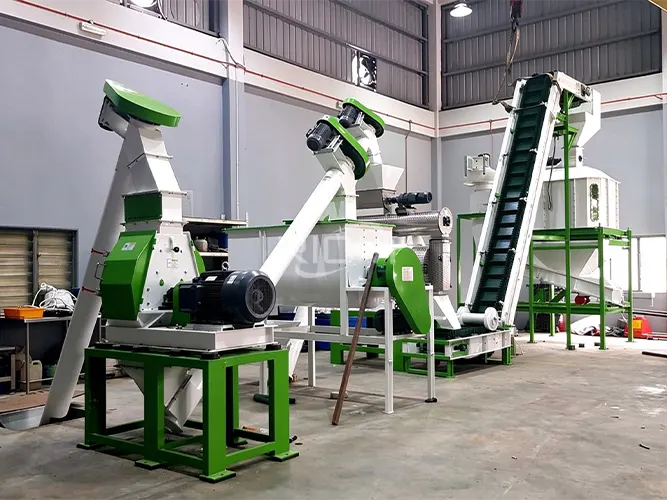
4 T/H Chicken Feed Processing MachineExported Ethiopia
- Client Profile:mash chicken feed mill
- Core Requirements:Production of mash feed for chickens
- Equipment Configuration:Hammer mill, mixer, batching scale, packaging machine
- Price:$23,770 USD
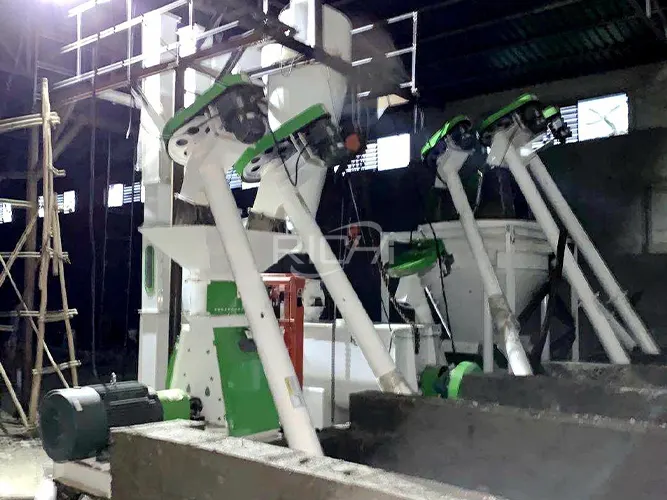
5-6 T/H Chicken Food Machine Exported Peru
- Client Profile:commercial chicken feed manufacturing plant
- Core Requirements:Automated batching with the flexibility to switch between feed formulas for chickens of different ages.
- Equipment Configuration:Multi-bin automated batching system, grinder, mixer, pellet mill, cooler, pellet crumbler, screener, and automatic packaging machine.
- Price:$203,700 USD
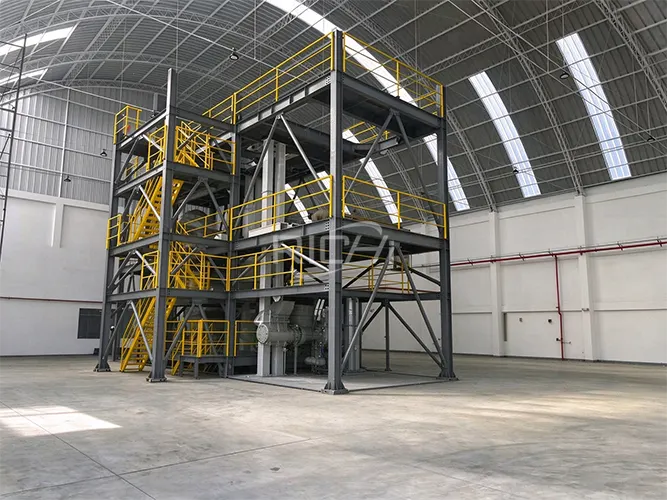
5-6 T/H Chicken Feed Making Machine Exported Russia
- Client Profile:commercial chicken feed mill plant
- Core Requirements:Procurement of a complete chicken feed production line with a capacity of 5 tons per hour, capable of producing both mash and pelleted feed. The supplier is also required to provide equipment installation, commissioning, and operational training.
- Equipment Configuration:PLC-controlled weighing and batching system, poultry feed grinder, paddle mixer, liquid addition tank, SZLH350 pellet mill, cooler, screening machine, and two 15-ton capacity silos.
- Price:$160,000 USD
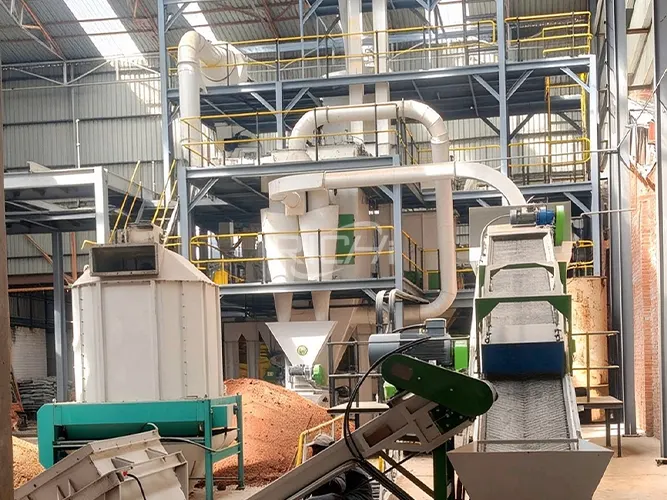
10-12 T/H chicken food processing machine Exported Uzbekistan
- Client Profile:industrial feed mill plant
- Core Requirements:Simultaneous production of chicken and cattle feed; the entire line utilizes centralized PLC control.
- Equipment Configuration:Multi-bin automatic batching system, grinder, mixer, pellet mill, cooler, pellet crumbler, screener, and automatic packaging machine.
- Price:$28,860 USD
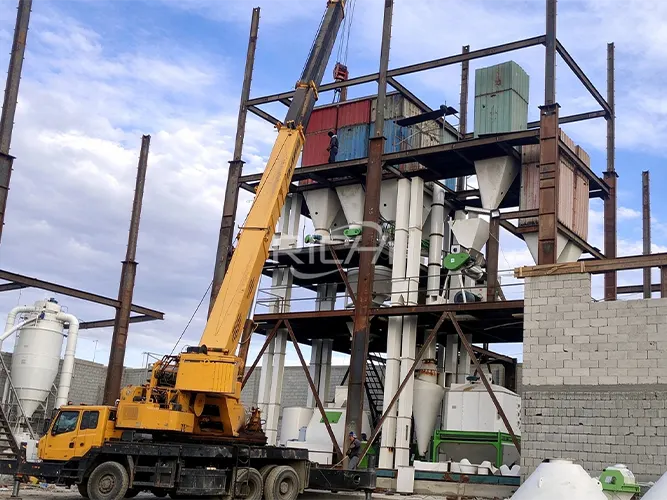
10 T/H Chicken Feed Maker Machine Exported Thailand
- Client Profile:industrial mash feed mill
- Core Requirements:Pproduction mash feed and premix for poultry and pig.
- Equipment Configuration:Multi-bin automatic batching system, grinder, mixer, automatic packaging machine.
- Price:$78,700 USD
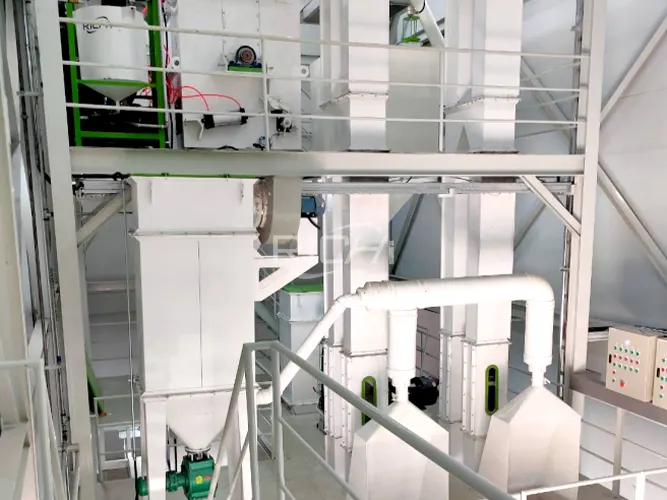
15-16 T/H Chicken Feed Production Equipment Exported Saudi Arabia
- Client Profile:commercial broiler chicken feed processing plant
- Core Requirements:Supply pelleted feed to local broiler farms. The entire production line must feature a high degree of automation.
- Equipment Configuration:The complete line includes systems for raw material receiving and cleaning, grinding, batching, mixing, pelletizing, cooling, screening, finished product bagging, dust collection, and a PLC-based electrical control system.
- Price:$34,800 USD
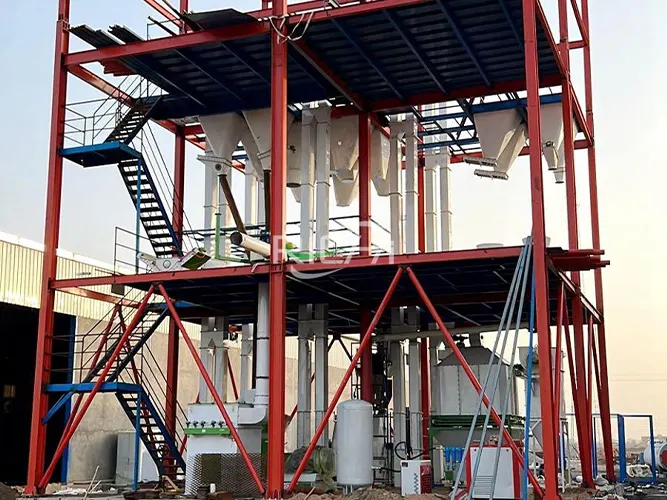
25-30 T/H Chicken Feed Manufacturing Machine Exported Portugal
- Client Profile:commercial feed manufacturing plant
- Core Requirements:The client wishes to add granulation equipment to their existing powder feed production line to expand their product range. The system must be capable of flexibly producing both chicken feed and pig feed.
- Equipment Configuration:SZLH678 pellet mill (with ring die assembly) and a counterflow cooler.
- Price:$120,500 USD
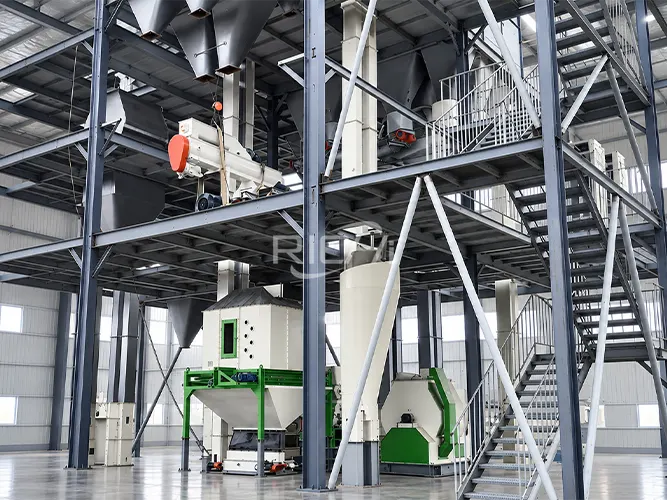
What affects poultry feed machine cost
The poultry feed mill machine price depends on production capacity, product type, formulation, process flow, equipment configuration, automation level, manufacturing quality, plant conditions, customization, and service scope. Even with the same capacity, quotes may vary. The following points can help you judge whether a quote is reasonable.

1.
Production Capacity
Capacity is a key factor. Different capacities require different specifications for crushers, mixers, pellet mills, coolers, packaging machines, and conveyors, as well as different plant layouts.
2.
Product Type
Different products require different processes. If you only produce mash feed for laying hens, you may only need crushers and mixers. If you also produce pellets and crumble feed for chicks, you will need pelleting, cooling, crumbling, and screening systems.
3.
Formulation Complexity
The number of raw materials, the need for liquid addition, and whether you produce a single feed type or multiple feeds for different ages and species will affect the configuration of batching, crushing, storage, and mixing systems.
4.
Process and Equipment Configuration
A complete poultry feed production line usually includes cleaning, crushing, batching, mixing, conditioning, pelleting, cooling, screening, and packaging. The exact configuration depends on product requirements.
5.
Level of Automation
The line can be manual, semi-automatic, or PLC-controlled. Higher automation costs more but improves efficiency and reduces labor costs.
6.
Manufacturing Quality
Even similar equipment may differ in components, structural design, and manufacturing standards. Consider not only the purchase price but also maintenance and long-term operating costs.
7.
Plant Layout and Site Conditions
For the same capacity, different plant structures, equipment layouts, and material conveying methods may require different auxiliary equipment and installation work, which affects the final price.
8.
Installation, Commissioning, Training, and After-Sales Service
Some quotes cover only equipment, while others include installation, commissioning, training, and partial engineering services. Always check what is included.
FAQ
What process stages are included in the poultry food processing machine?
→
A complete poultry feed processing line typically includes the following stages: raw material cleaning, crushing, batching, mixing, conditioning, pelletizing, cooling, screening, and packaging. The exact process depends on the feed type, raw materials, and production requirements.
For mash feed production, the process may end after grinding, mixing and packaging. For pellet feed, pelletizing, cooling, and screening are generally required. If the line produces chick starter crumble feed, a crumbler is also needed.
How much does a poultry feed Production machine Cost?
→
There is no uniform, fixed price for poultry feed manufacturing machine. A single poultry feed pellet machine can cost anywhere from several thousand to tens of thousands of yuan, while a complete production line typically ranges from over one hundred thousand to several million yuan—depending primarily on production capacity, the completeness of the processing stages, the level of automation, and whether installation and commissioning services are included.
What is the price of small poultry feed making machine?
→
Mini poultry feed machine price varies depending on the configuration. If you only need to produce mash (powdered) feed, a setup consisting of a grinder and a mixer is sufficient, costing approximately 8,000 to 10,000 USD. If you also need to produce pelleted feed, you would generally add a flat-die pellet mill, which costs about 5,000 to 7,000 USD.
Is there a significant difference between production lines with capacities of 1, 3, and 5 tons per hour?
→
Yes, the differences are substantial. Higher production capacities require larger-scale equipment—including crushers, mixers, granulators, and the conveying/lifting systems—as well as more sophisticated electrical control systems. Furthermore, higher capacities necessitate greater facility ceiling heights, increased power supply requirements, and a larger total investment. When selecting equipment, it is advisable to include a 10%–20% buffer above your actual daily production target.
Is the equipment configuration the same for producing feed for chickens, ducks, and laying poultry?
→
While the basic processing stages are similar, requirements for pellet diameter, conditioning temperature, grind fineness, and cooling will differ. For instance, feed for young poultry may require an additional crumbling (particle-breaking) stage, while feed for laying poultry demands higher precision in formulation and greater uniformity in mixing.
What is the warranty period for the equipment? Are replacement parts for wear-and-tear components available?
→
The equipment comes with a one-year warranty, which includes free on-site repair services. We keep a regular stock of wear parts—such as ring dies, pressure rollers, screens, and bearings—available at competitive prices. (view our YouTube)