Straw Pellet Mill
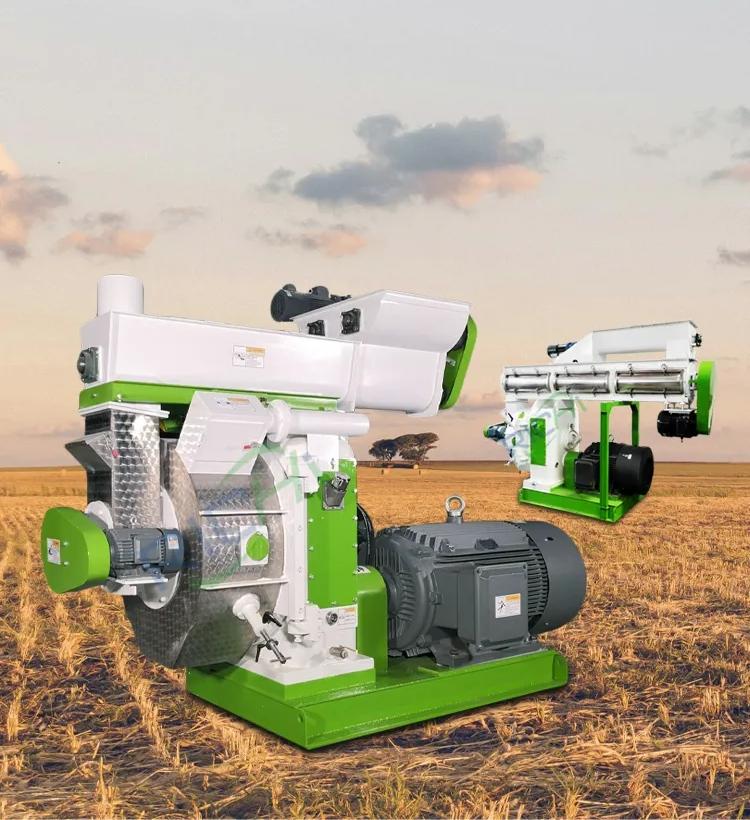
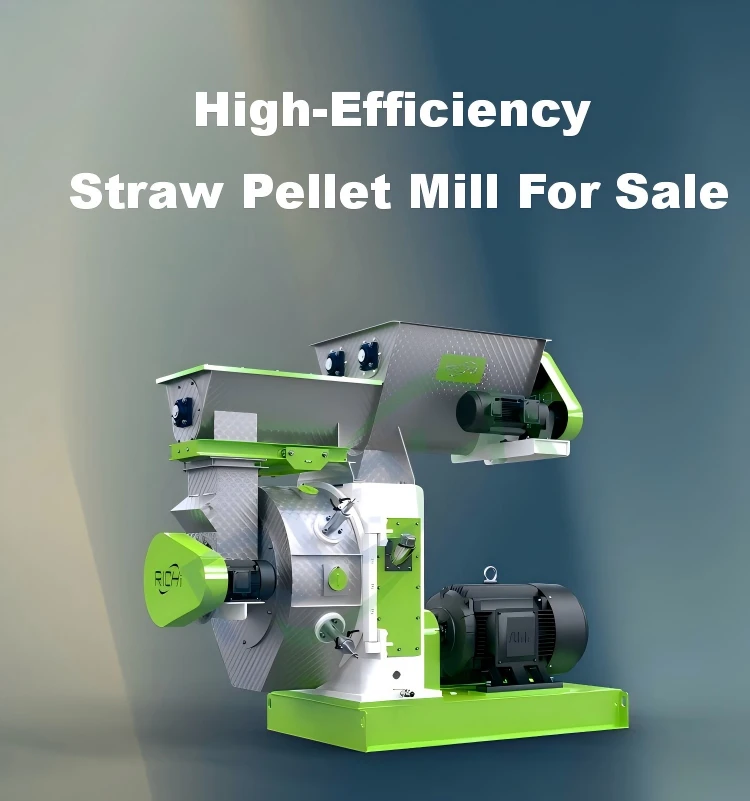
Straw Pellet Mill Designed for High-Fiber Materials
Processing straw, rice husks, or corn stalks into quality pellets? You’ve probably run into the same frustrations: low forming rates, frequent die blockages, and machines that just can’t handle the abrasiveness of agricultural residues.
Our straw pellet mill is designed to solve these problems. It employs a reinforced compression system and specialized wear-resistant molds, achieving a stable pelleting rate of over 95%. Production capacity ranges from 0.5 tons to over 20 tons per hour and can be customized to meet specific customer needs. Furthermore, the equipment has obtained CE, TÜV, BV, RTN certifications and ISO 9001 quality management system certification, meeting international market standards.
Ready to turn your agricultural waste into a profitable fuel source?
Equipment Videos
Watch our straw pellet mills in action as part of various straw pellet production lines. You can witness the equipment’s stable operation, uniform pellet output, and superior pelleting results.
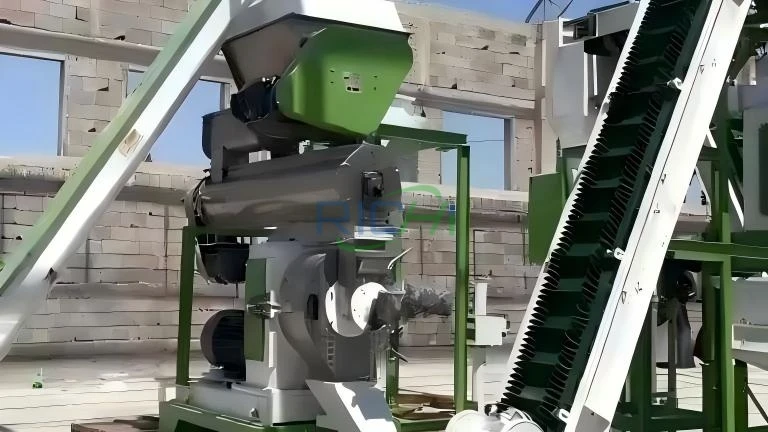

0.5-0.8 T/h straw pellet making machine for sale Tajikistan
To reduce feed waste and improve palatability and digestibility, the client plans to process wheat straw into roughage pellets for ruminants. The straw is supplied in bulk—requiring no bale breaking—and simply needs to be ground. With a moisture content of approximately 30%, the material must be dried before pelleting.
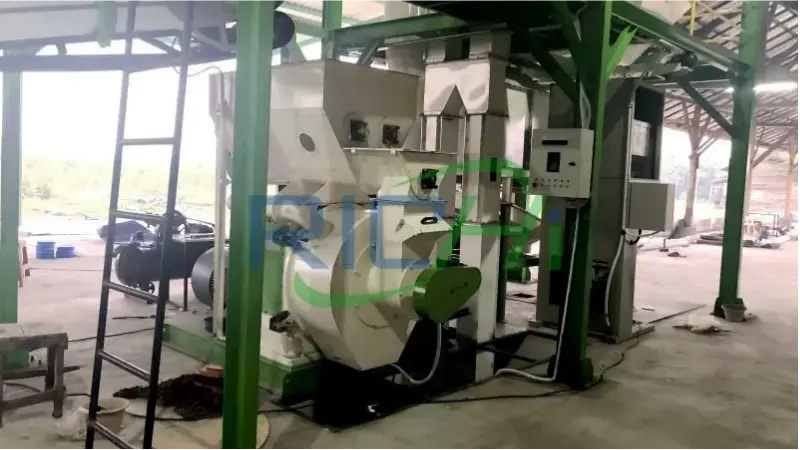
1-1.5 T/H straw pellet maker for sale Thailand
A Thai client plans to process rice straw and rice husks into dense fuel pellets. Due to the humid local climate, the raw materials retain a moisture content exceeding 20% even after natural air-drying; therefore, they must be dried before pelletization.
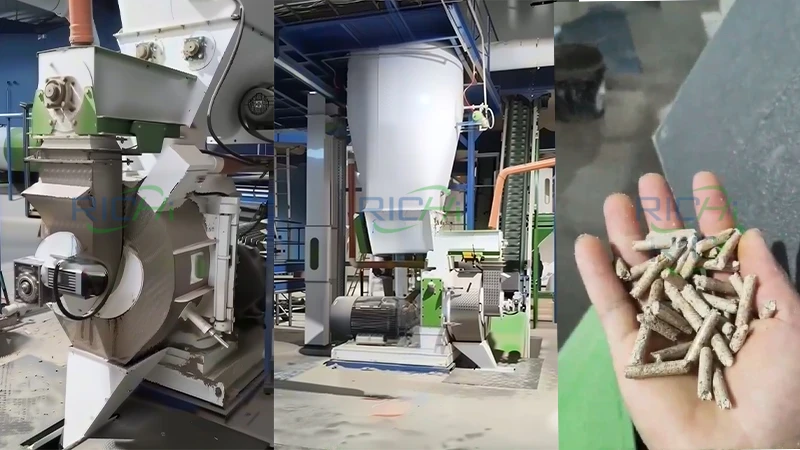
2-2.5 T/H straw pellet press for sale Denmark
The client is a biomass fuel producer that previously relied on wood chips as raw material. They now plan to switch to using wheat and barley straw harvested from nearby farms, but their existing pelletizing equipment performs poorly with straw. Consequently, the client wishes to purchase a pelletizing system capable of processing both wood chips and straw.
Core Competitiveness Of RICHI Straw Pellet Mill
Superior internal craftsmanship is what keeps a straw pellet mill durable and productive over time. Built with tight-tolerance machining and high-spec industrial parts, RICHI equipment secures consistent pellet quality under tough conditions. Every key section—from driving mechanisms and pelleting chambers to ring dies and intake systems—is engineered to sustain continuous, large-scale output.
01
Durable Pelletizing Components
We manufacture the ring die and roller assembly from high-alloy steels. In addition, we subject these components to advanced heat treatment. Thus, these core parts exhibit exceptional resistance to abrasion and fatigue. This durability cuts down long-term costs for part replacement and downtime.
02
High Raw Material Adaptability
Our straw pellets machine can efficiently handles wheat straw, rice straw, corn stalks, and mixed agricultural residues. This adaptability ensures stable pellet production from seasonally available feedstocks, maximizing resource utilization and offering flexibility in raw material sourcing for our clients.
03
Energy-Efficient Pellet Pressing
Our machine features an optimized compression ratio. This design minimizes unnecessary mechanical friction and compacting resistance. Consequently, it reduces energy consumption per ton of pellets substantially. It lowers operating costs dramatically and improves production economy.
04
Easy Operation & Maintenance
We design our straw pellet machine with a user-centric philosophy. For example, features like easy die replacement systems and centralized lubrication facilitate quicker servicing, minimizing operational complexity and required downtime.
05
Intelligent Control & Monitoring
Our straw pellet making machine comes with an advanced control system. Operators can regulate key parameters precisely, such as feeder speed and main motor load. Moreover, real-time monitoring and automated adjustments keep the production process within optimal conditions.
06
Precision Pellet Quality Control
The pellets produced have high density, strong mechanical strength, uniform size and low fines content. They ensure stable, efficient combustion and improved energy utilization. Meanwhile, these pellets resist breakage and mold during storage and transportation, and offer high commercial value.
technical specifications
We offer two models of straw pelletizers tailored to different application scenarios and processing requirements: one is equipped with a conditioner for processing roughage, while the other is designed specifically for producing animal bedding and biomass pellet fuel. It is important to note that the straw content of the raw material directly affects production capacity; the higher the proportion of straw, the lower the equipment’s output efficiency.
| Model | Capacity(T/H) | Main Motor Power(kW) | Anti-bridging Feeder(kW) | Forced Feeder(kW) | Ring Die Diameter(mm) | Pellet Diameter(mm) |
| CZLH320 | 0.5-0.6 | 22 | 2.2 | 0.75 | 320 | 4-12 |
| CZLH350 | 1.0-1.2 | 37 | 2.2 | 0.75 | 350 | |
| CZLH420 | 1.8-2.0 | 90 | 3 | 1.5 | 420 | |
| CZLH520 | 2.8-3.0 | 132 | 3 | 1.5 | 520 | |
| CZLH678 | 4-5 | 185 | 3 | 1.5 | 673 | |
| CZLH768 | 6-8 | 250 | 4 | 1.5 | 762 |
Because RICHI’s technology is constantly being updated and iterated, we will continuously upgrade and innovate our equipment. Therefore, the specific equipment parameters are subject to the actual quotation. We will provide more professional customized design and production services for each customer.
Global Customer Cases
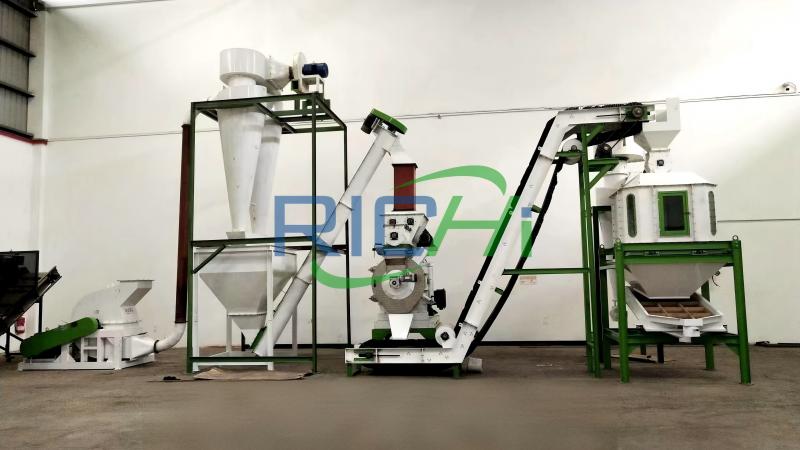
0.5-0.7 T/H straw pelletizer for sale Italy
- Pellet Application: animal bedding
- Straw Bale Shape: square bale
- Straw Bale Dimension: 45cm × 45cm × 100cm
- Raw Material Moisture Content: below 15%; no drying required.
- Auxiliary Equipment: straw pulverizer, cleaning screen, straw pelleting machine for animal bedding, cooler, screening machine, dust collector.
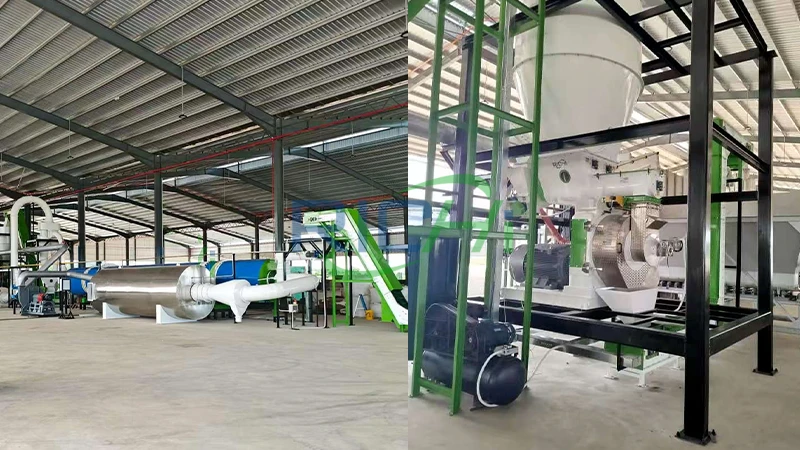
1-1.5 T/H straw pelleting machine for sale Malaysia
- Pellet Application: fuel pellets
- Straw Bale Shape: square bale
- Straw Bale Dimension: 120cm × 120cm × 240cm
- Raw Material Moisture Content: moisture content of 30%; requires drying.
- Auxiliary Equipment: bale breaker, straw shredder, drying drum, straw fuel pellet machine, pellet cooler, screening machine, packaging machine.
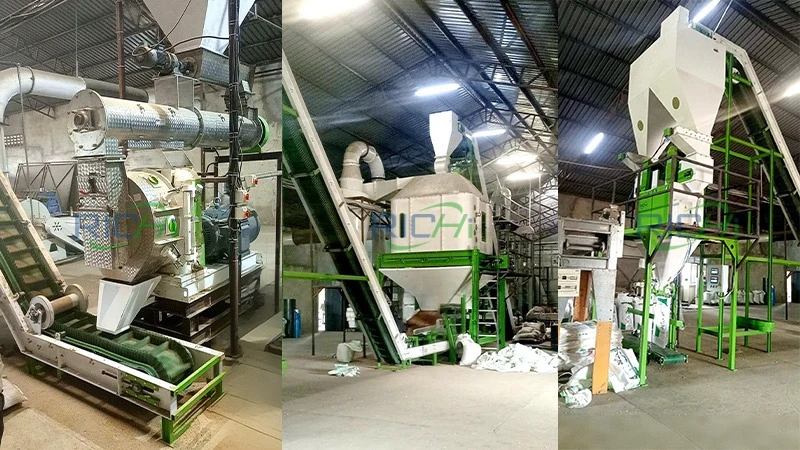
1-2 T/H straw pellet press for sale South Africa
- Pellet Application: roughage pellets for cattle and sheep
- Straw Bale Shape: round bale
- Straw Bale Dimension: 1.5m diameter, 1.2m width
- Raw Material Moisture Content: below 20%; no drying required.
- Auxiliary Equipment: bale breaker, straw shredder, feed mixer, straw pellet machine for livestock feed, pellet cooler, screening machine, feed packaging machine.
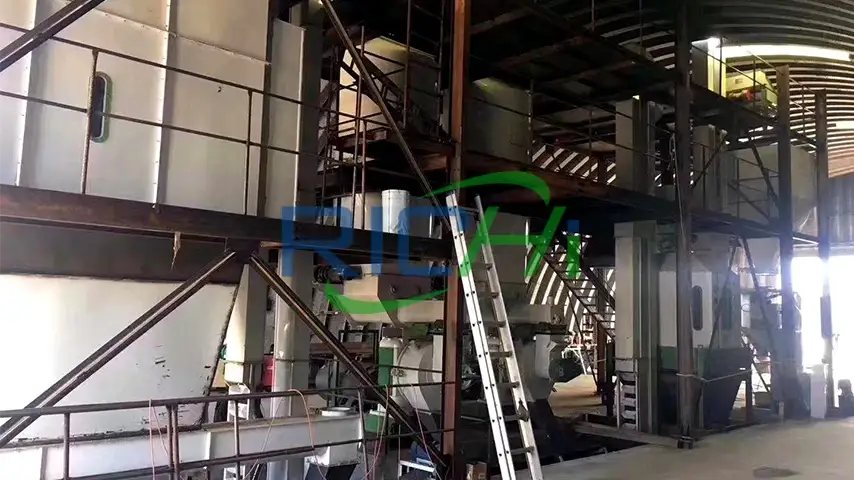
3-4 T/H wheat straw pellet machine for Sale Hungary
- Pellet Application: straw fuel pellets
- Straw Bale Shape: round bale
- Straw Bale Dimension: 1.8m diameter, 1.5m width
- Raw Material Moisture Content: moisture content of 10-15%; no drying required.
- Auxiliary Equipment: bale breaker, straw pulverizer, straw fuel pellet machine (two units), pellet cooler, screening machine, ton bag scale, dust collector.
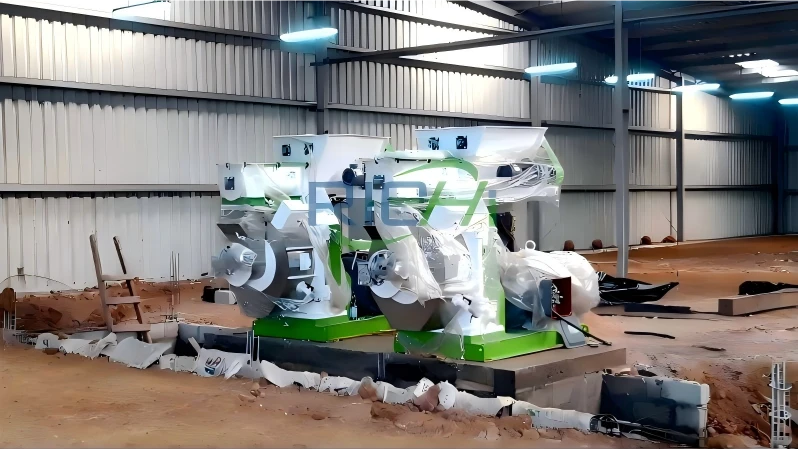
6-8 T/H wheat straw pellet machine for Sale Australia
- Pellet Application: straw fuel pellets
- Straw Bale Shape: round bale
- Straw Bale Dimension: 1.8m diameter, 1.5m width
- Raw Material Moisture Content: moisture content of 10%; no drying required.
- Auxiliary Equipment: bale breaker, straw pulverizer, straw fuel pellet machine (two units), pellet cooler, screening machine, ton bag scale, dust collector.
Complete Straw Pellet Production Line
Turning raw straw into high-value pellets demands an integrated plant setup. A complete straw pellet production line covers essential operations: bale breaking, crushing, drying, pelleting, cooling, screening, and packing. Every step shapes your output quality, production speed, and long-term running costs.
Leveraging extensive turnkey expertise, RICHI Manufacture provides complete straw pellet plants alongside full service support. We take care of process planning, machine selection, equipment build, installation, and ongoing technical guidance. Whatever your raw material, target output, or product goals, we customize a straw pelleting line that fits your needs.

01
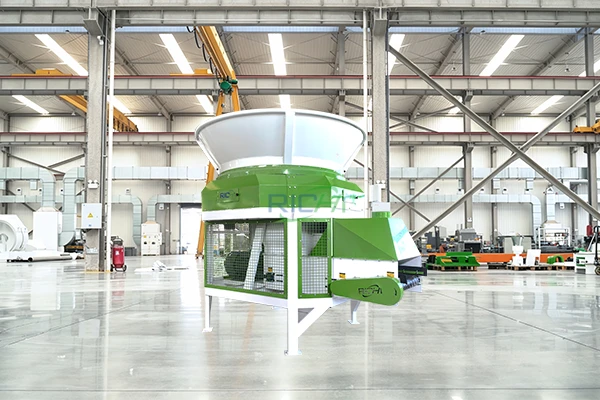
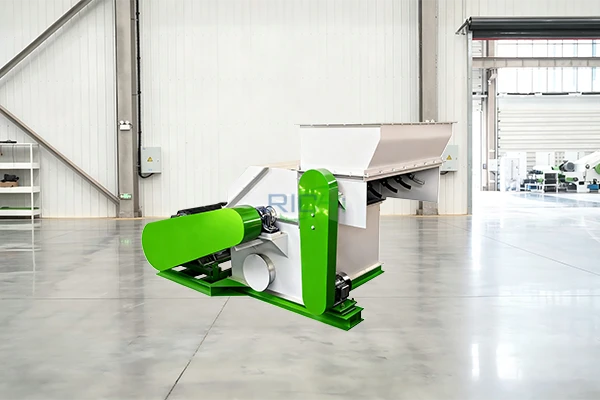
Straw Bale Breaking & Crushing Process
Unpack and loosen straw bale, then shred and grind long straw into fine particles. Install a pulse dust collection unit to collect dust produced during grinding.
02
Raw Material Cleaning Process
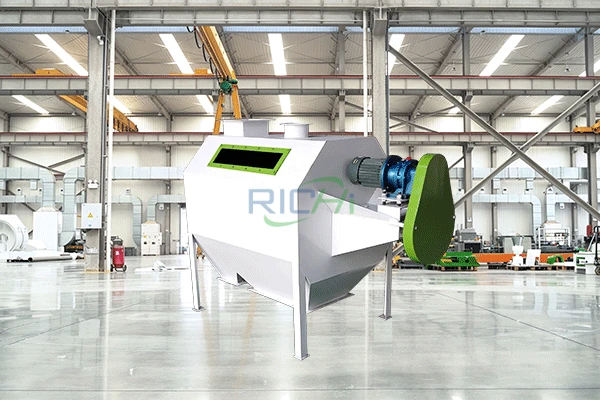
Install a high-intensity magnetic separator on the belt conveyor to capture metal contaminants in the straw. Then, use a cylindrical cleaning screen to remove impurities such as stones and sand from the material.
03
Drying Process
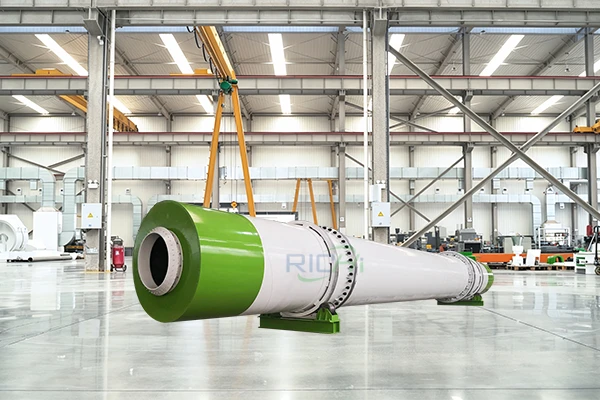
If the moisture content of the straw exceeds 20%, drying is required.
04
Mixing Process (Usually for Feed Production)
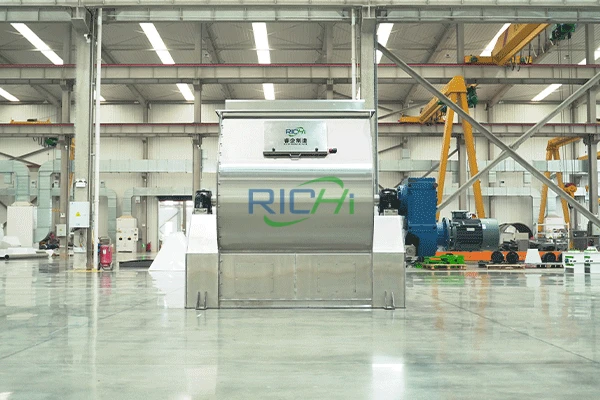
Thoroughly mix the pulverized straw with other raw materials (such as corn, wheat, rice bran, soybean meal, etc.).
05
Pelletizing Process
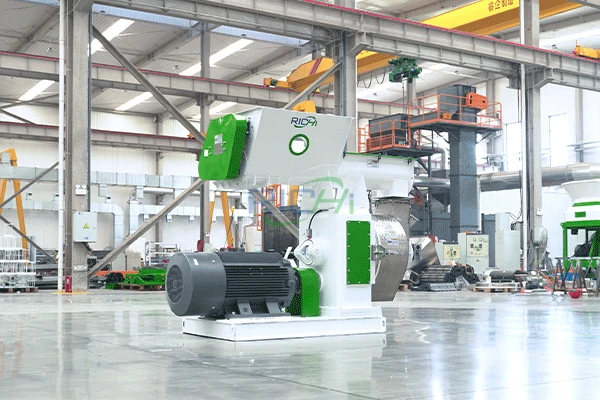
Feed the thoroughly mixed material into the straw pellet making machine to yield compact pellets via high-pressure extrusion.
06
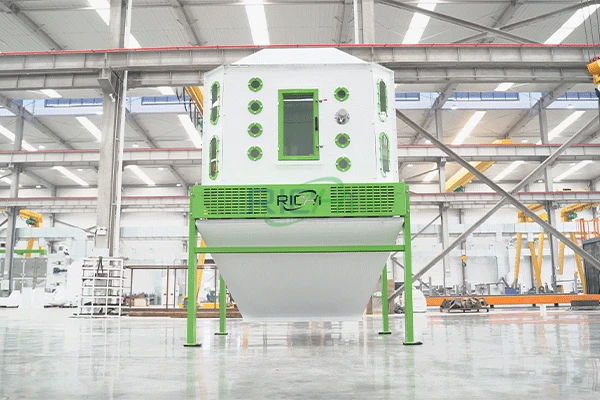
Cooling and Screening Process
Cool the straw pellets to remove excess heat, thereby increasing pellet hardness..
07
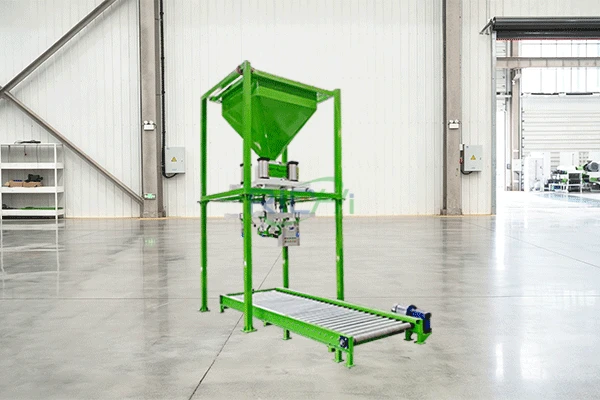
Packaging Process
Weighing and packaging the compliant straw pellets for transportation or sale.
Why Choose RICHI?
Choosing a straw pellet machine is not only about buying equipment—it is about selecting a reliable long-term partner. With years of experience in pellet machinery manufacturing and turnkey project delivery, RICHI Manufacture provides far more than a standard machine. We offer customized engineering, strict quality control, professional technical support, and comprehensive service to help customers achieve stable, efficient, and profitable pellet production. From project consultation and equipment selection to installation, commissioning, operator training, and lifetime technical support, every solution is tailored to your raw materials, production capacity, and investment goals, ensuring maximum performance and long-term value.

Professional Pellet Machinery Manufacturer
We analyze raw material characteristics, refine production processes and guide equipment selection. Our team helps clients secure the ideal straw pellet production solution to cut investment risks and eliminate production troubles brought by mismatched equipment.
Customized Straw Pelletizing Solution
Our professional engineers support customers throughout equipment assembly, pipeline layout, electrical debugging and full production line joint testing. Critical operational parameters will be precisely calibrated to ensure the organic fertilizer granulator delivers peak performance and maintains steady production.
Comprehensive Turnkey Service
We provide clients with systematic operational training, covering topics such as equipment start-up procedures, routine maintenance, troubleshooting, and production parameter adjustments.
Competitive Price
When equipment operational issues arise during production, the RICHI technical team can promptly provide solutions—through online communication, video guidance, and remote diagnostics—to help customers quickly resume production.
Proven Global Project Experience
RICHI has established a comprehensive spare parts supply system to provide customers with genuine parts, ensuring timely and efficient equipment maintenance and replacement. Additionally, we offer maintenance recommendations based on equipment operating conditions, helping customers minimize wear and tear and extend the service life of their equipment.
Reliable After-Sales and Technical Support
Beyond reliable equipment performance today, RICHI offers sustained technical support to fuel customers’ future development. No matter you plan to raise output, optimize production processes or upgrade automation, we provide targeted upgrade solutions matching your practical demands.
FAQ
Below is a compilation of frequently asked questions from customers regarding the purchase of a straw pellet mill. If you have any questions,please feel free to contact us.
What raw materials can your straw pellet machine process?
→
Our straw pellet machine can process a wide range of agricultural residues, including wheat straw, rice straw, corn stalks, soybean straw, cotton stalks, sorghum stalks, peanut vines, rapeseed straw, and other crop wastes. Different raw materials may require different crushing sizes and moisture levels for optimal pellet quality.
Does the straw need to be dried before pelletizing?
→
Yes. For stable pellet production, the recommended moisture content is generally 10%–15%. If the straw is too wet, a dryer should be used before pelletizing. If it is too dry, moisture can be added during the conditioning process.
What capacity of straw pelletizer should I choose?
→
The right model depends on your production target. Small farms may choose 0.5–3 T/H, while commercial pellet plants often require 5–8 T/H or larger. For high-capacity projects, multiple straw pellet mills can operate in parallel to maximize output.
Can the machine produce fuel pellets and animal feed pellets?
→
Yes, but the machine configuration may differ depending on the application. Fuel pellets made from crop straw typically require high compression and durability, while feed pellets may need conditioning systems and different die specifications. RICHI can customize the solution based on your production requirements.
What equipment is needed besides the straw pelleting machine?
→
A complete straw pellet production line usually includes a straw crusher, dryer (if necessary), pellet machine, cooler, screener, packing machine, conveyors, and an electrical control system. The exact configuration depends on the raw material condition and production capacity.
Can you provide a complete turnkey straw pellet production line?
→
Yes. In addition to supplying individual straw pellet machines, RICHI provides complete turnkey pellet production line solutions, including plant layout design, equipment manufacturing, installation, commissioning, operator training, and long-term technical support to help customers start production efficiently.
What is your warranty service like? How to replace parts?
→
We provide a 1-year warranty for our straw pellet making mill. Original parts (such as pressure rollers, cutters, and ring dies) are supplied separately, and their prices are 15%-20% lower than similar products on the market. RICHI will provide customers with lifelong free technical guidance and support. If you have any needs, you can consult us at any time. We have customer service staff available online 24/7, who will provide you with timely services and answer your questions. (view our YouTube)

RICHI Manufacture
Global Supplier of Pellet Machinery Solutions
To be art, to be artist. We deliver premium turnkey projects with professional craftsmanship and innovation.
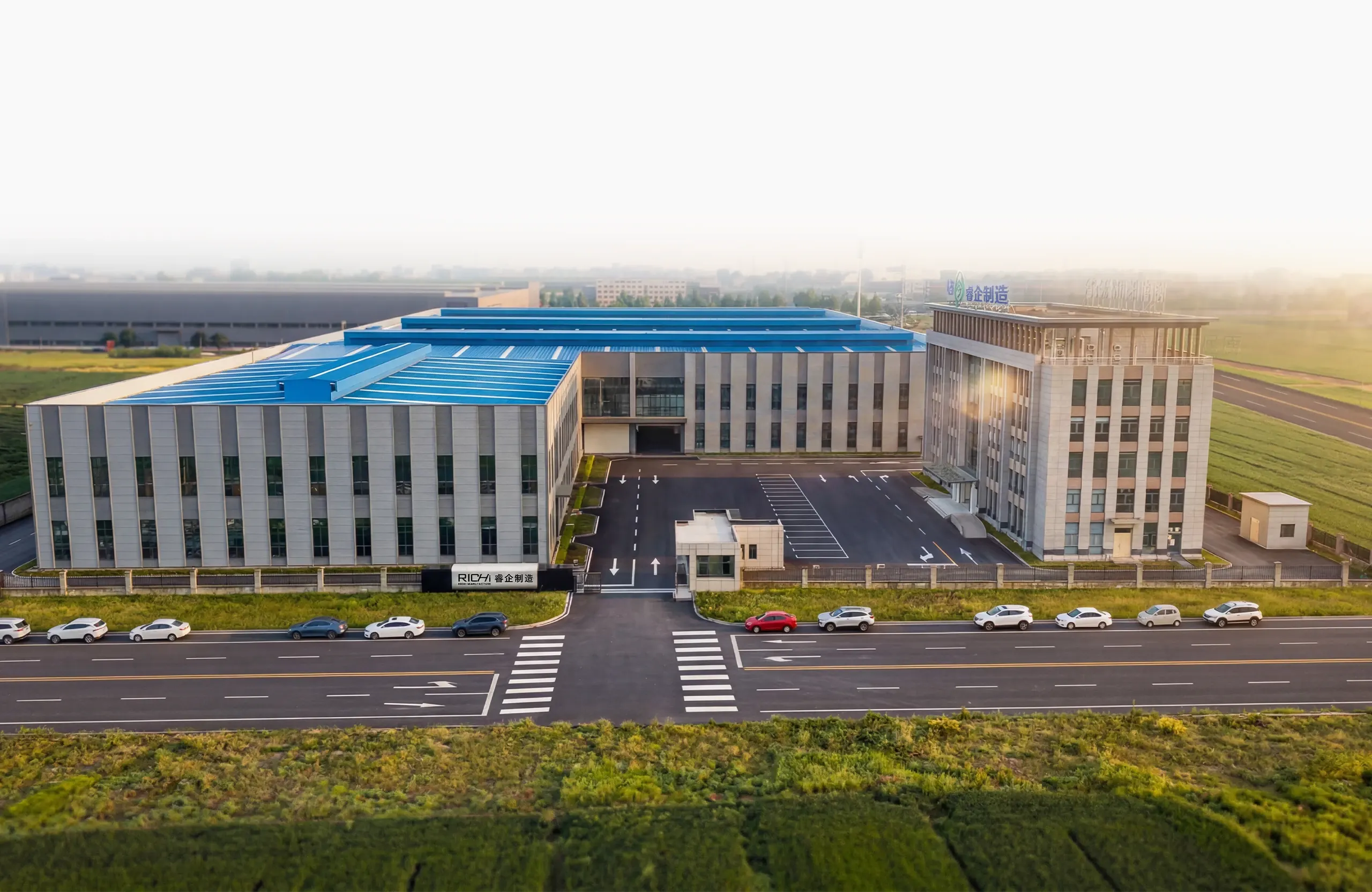
Henan RICHI Manufacture was founded in 1995. We are a professional integrated manufacturer covering R&D, production, engineering design and installation for feed, biomass, organic fertilizer, cat litter pellet lines, steel silos and automatic control systems. RICHI has obtained a full range of authoritative international certifications, including CE, TÜV, SGS, BV, RTN, ISO9001, amd more, laying a solid foundation for global trade. Featuring world-class process equipment such as large CNC cutting machines, CNC drilling machines, smart sandblasting & painting lines, and dynamic balancing testers, we guarantee premium equipment quality to empower the successful execution and commissioning of our global clients’ projects.
60,000+㎡
Factory Area
2,000+
Global Projects
140+
Exported Countries
30+
Years of Experience
RICHI Turnkey Project Full Service Process
RICHI Manufacture has established a comprehensive after-sales service system. We provide full-lifecycle technical support—covering project desining, equipment manufacturing, installation, technical training, operational guidance, and spare parts supply—to ensure the continuous, efficient, and stable operation of the production line.
Custom Scheme Design
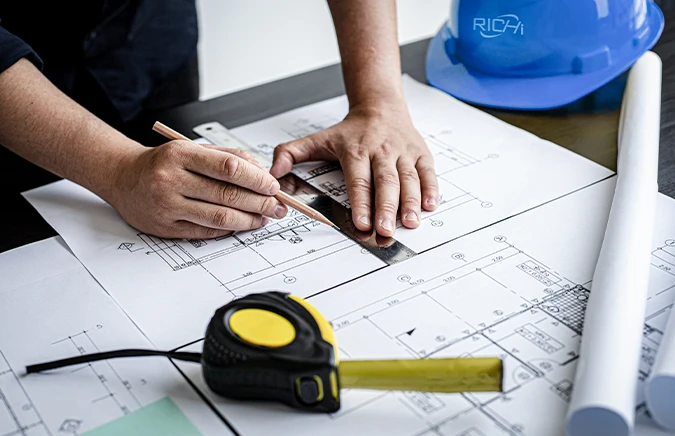
Communicate your raw material, target output, factory area and budget. Our engineers offer free raw material testing and draw exclusive plant layout drawings to match your demands.
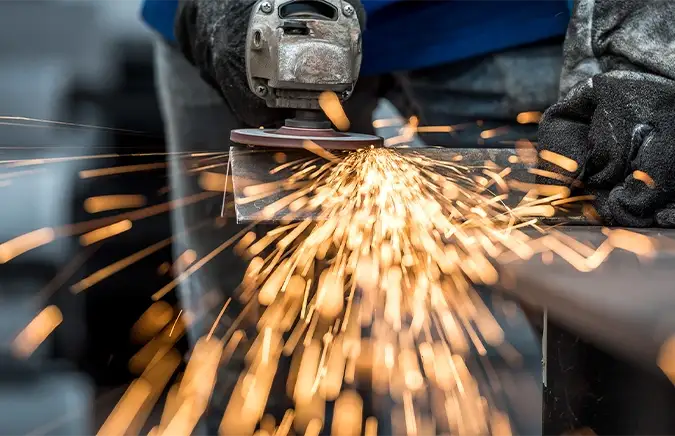
Equipment Custom Manufacturing
Confirm technical parameters and sign cooperation contract. We arrange production in our workshop, conduct strict factory inspection and full machine test run before shipment.
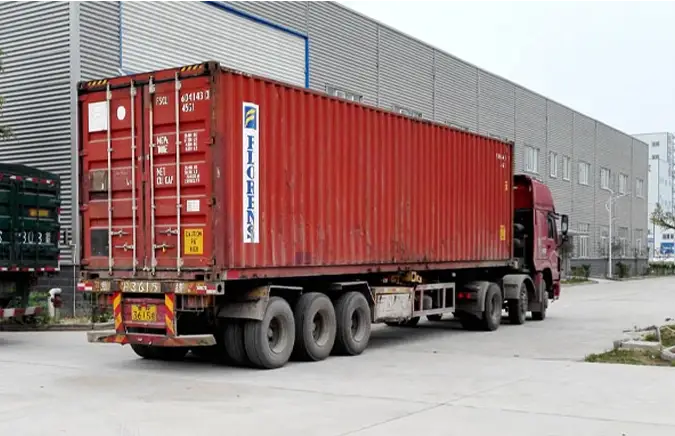
Shipment & Logistics
Classify, pack and load all machines and auxiliary spare parts. We handle customs documents and coordinate sea logistics to deliver goods safely to your designated port.
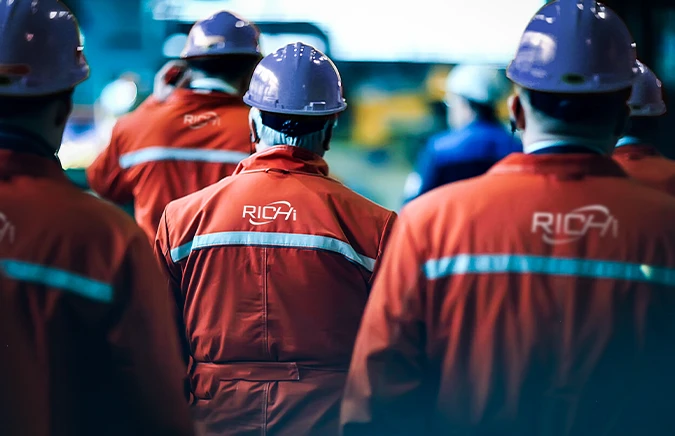
On-site Installation
Dispatch professional technical teams to your factory to finish equipment assembly, pipeline connection, circuit installation and whole-line trial operation.

Operation & Maintenance Training
Train your workers on complete operation procedures, daily maintenance, wear part replacement and common fault troubleshooting, equipped with English manuals and teaching videos.

Lifelong After-sales Tracking
Provide 12-month full machine warranty, fast spare parts supply, 24/7 online remote support and regular follow-up visits to guarantee long-term stable production.