

Линия по производству кормов для птицы в Узбекистане
Модернизированная и автоматизированная линия по производству кормов для птицы способствует развитию сельского хозяйства в Узбекистане.
Обзор Линия по производству кормов для птицы в Узбекистане
— Ричи Машини —
Краткое введение
Птицеводческая отрасль в Узбекистане быстро развивается, что приводит к постоянному росту спроса на высококачественные корма для птицы. Обильные местные сельскохозяйственные ресурсы, такие как кукуруза и пшеница, обеспечивают достаточное количество сырья для производства кормов.
В этом контексте заказчик планирует построить автоматизированную линию по производству куриного корма производительностью 10-15 т/сутки, способную производить как гранулированный, так и порошкообразный корм. Этот проект направлен на удовлетворение спроса на корм премиум-класса со стороны местных и прилегающих птицеводческих предприятий, что будет способствовать расширению и модернизации птицеводства.
- Диаметр гранул: Корм для цыплят 0,5–12 мм (для всех этапов развития от цыплят до взрослых кур)
- Корм для скота: Разработан для удовлетворения потребностей в питательных веществах на определенных этапах размножения
- Сырье: Кукуруза, пшеница, подсолнечный шрот, масло/жир, премикс и т. д.
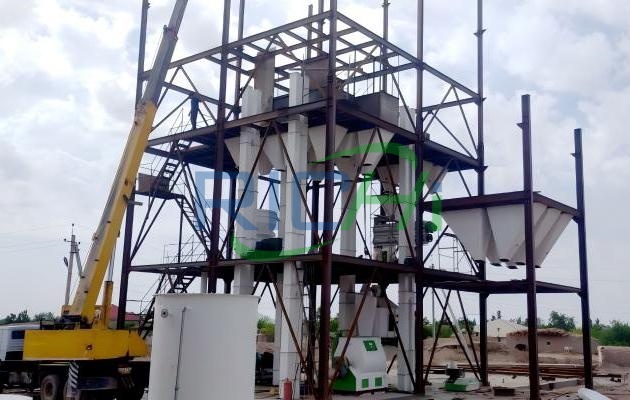
- Характеристики растения: 35 м (длина) × 20 м (ширина) × 25 м (высота)
- Хранение сырья: Система хранения в силосах емкостью 500 тонн
10-15 т/ч
Производительность (тонн/час)
520 кВт
Общая мощность (кВт/час)
90 дней
Срок установки (дни)
$350,000
Ориентировочная цена (долл. США)
История проекта и рыночный спрос
Узбекистан, ключевая сельскохозяйственная страна в Центральной Азии, в последние годы стал свидетелем быстрого развития птицеводческой отрасли. Однако местные мощности по производству кормов ограничены и не могут удовлетворить спрос на высококачественные корма в сельскохозяйственном секторе. Этот проект направлен на заполнение данного рыночного пробела путем предоставления сбалансированных по питательной ценности кормов для птицы стабильного качества.
Текущее состояние птицеводства в Узбекистане
С ростом доходов значительно увеличилось годовое потребление мяса птицы на душу населения, что способствовало расширению местной птицеводческой и животноводческой промышленности. Число фермерских хозяйств неуклонно росло и к 2025 году достигло почти 50. Правительство Узбекистана также оказало сильную политическую поддержку птицеводству, что еще больше стимулировало его развитие. Однако местные производственные мощности по производству кормов ограничены и не могут удовлетворить спрос отрасли на высококачественные корма, в связи с чем приходится частично полагаться на импорт.
Анализ местного рынка кормов
В настоящее время рынок кормов Узбекистана сталкивается со следующими проблемами:
- Небольшие предприятия по производству кормов с устаревшей технологией и оборудованием.
- Нестабильное качество продукта и несбалансированный питательный состав.
- Низкая эффективность производства и высокие затраты.
- Недостаточные производственные мощности для удовлетворения быстро растущего спроса со стороны животноводства.
- Отсутствие научной формулировки и низкий коэффициент конверсии корма.
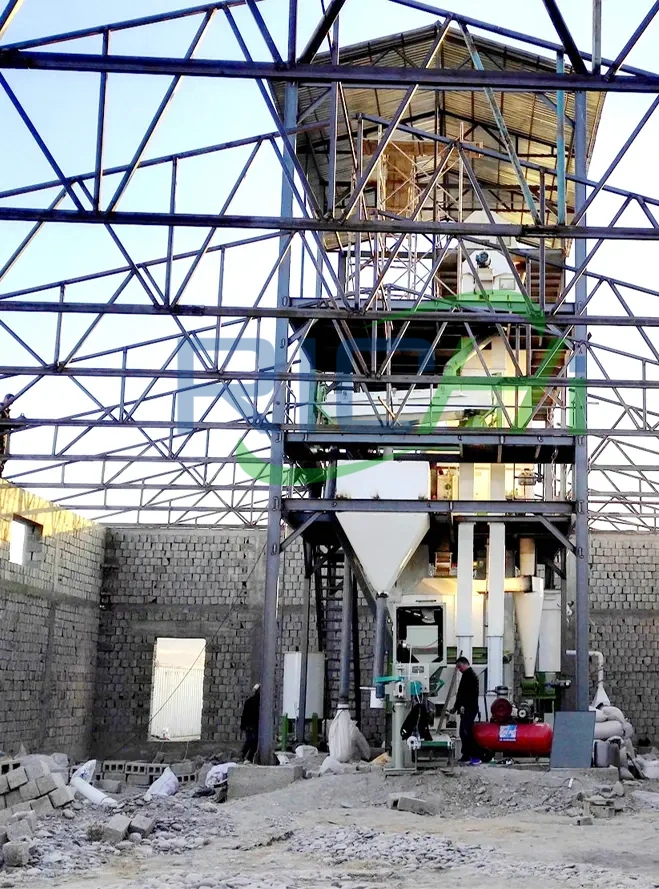

Этот проект был разработан в данном контексте с целью восполнить пробел на рынке путем создания современной базы по производству кормов, обеспечения птицеводческой отрасли Узбекистана сбалансированными по питательной ценности и высококачественными кормовыми продуктами, а также получения значительной прибыли от инвестиций.
Ключевые технические решения
При разработке этого решения для производства кормов для птицы в Узбекистане наши инженеры уделяют приоритетное внимание контролю инвестиционного бюджета клиента, использованию передовых технологий и высокопроизводительного оборудования, а также внедрению экологически безопасного дизайна для обеспечения эффективной, стабильной и высококачественной работы производственной линии.

Полный технологический процесс производства кормов для птицы в Узбекистане
Проект линии по производству кормов для птицы мощностью 10-15 т/ч в Узбекистане использует передовые международные технологии производства кормов для обеспечения качества продукции и эффективности производства. Линия в основном включает в себя такие процессы, как приемка сырья, измельчение, дозирование и смешивание, кондиционирование, гранулирование, охлаждение, просеивание и упаковка готовой продукции.

1
Очистка сырья:
Вновь поставляемое сырье (кукуруза, пшеница, сорго, соевый шрот, пшеничные отруби и т. д.) может содержать камни, сорняки, металлические фрагменты или даже плесневелые частицы. Они могут повредить оборудование или вызвать проблемы со здоровьем животных, поэтому их необходимо просеять и очистить.
2
Раздавливание:
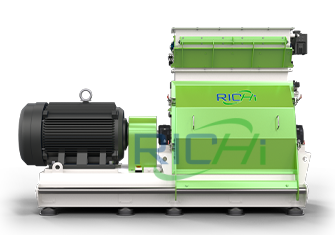
Очищенное сырье, в зависимости от его характеристик, поступает в молотковую дробилку капельного типа для измельчения до необходимого размера частиц. Это позволяет подготовить материалы для последующего смешивания питательных веществ и формовки.
3
Дозирование и смешивание:
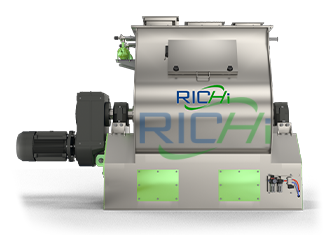
В соответствии с рецептурой корма все сырьевые материалы точно взвешиваются и дозируются. Подготовленное сырье засыпается в смеситель и перемешивается на высокой скорости, чтобы обеспечить равномерное смешивание всех сырьевых материалов, предотвратить привередливость животных в еде и обеспечить сбалансированность питания. На этом этапе также могут быть добавлены другие кормовые добавки (мясокостная мука, аминокислоты, рыбная мука, витамины и т. д.) для повышения питательной ценности корма.
4
Кондиционирование:
Смешанное сырье поступает в кондиционер через загрузочный бункер, где тщательно смешивается с паром и водой. Процесс стерилизации, созревания и желатинизации сырья осуществляется в условиях высокой температуры и высокой влажности, что создает основу для последующего гранулирования.
5
Гранулирование:
Подготовленные материалы транспортируются с помощью конвейерного оборудования на гранулятор. Под действием экструзии валков и матрицы они формируются в гранулы различных спецификаций. Гранулятор может гибко регулировать параметры матрицы и резака в соответствии с требованиями к размеру гранул, обеспечивая точный контроль над конечными размерами гранул.
6
Охлаждение:
Свежеприготовленный гранулированный корм горячий и имеет высокую влажность поверхности, поэтому его необходимо охладить до комнатной температуры с помощью противоточного охладителя, чтобы предотвратить рост плесени.
7
Скрининг:
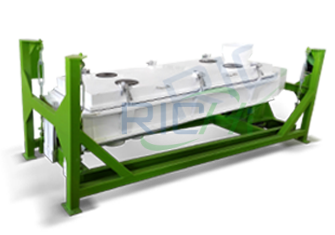
После охлаждения гранулы корма просеиваются на вибрационном грохоте для отделения пригодных гранул, раздробленных гранул и порошка. Пригодные гранулы поступают на склад готовой продукции для упаковки, а раздробленные гранулы и порошок возвращаются на повторную переработку.
8
Упаковка:
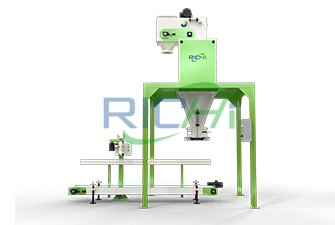
Просеянный, готовый корм транспортируется с помощью конвейерного оборудования к автоматической упаковочной системе, где он взвешивается и упаковывается в соответствии с заданным весом.
Основное оборудование линии по производству кормов для птицы в Узбекистане
Эта линия по производству кормов для птицы в Узбекистане представляет собой высокотехнологичную, полностью автоматизированную линию, охватывающую все основные процессы, с ключевым оборудованием, выбранным из лучших в отрасли конфигураций. Все оборудование спроектировано для максимальной надежности и окупаемости инвестиций.
| Основная машина | Модель | Применение |
|---|---|---|
| Молотковая дробилка капельного типа | SFPS-66*60 (110 кВт) | Измельчение сырья в порошок |
| Двухшнековый лопаточный смеситель | 1000 кг/партия | Смешайте все ингредиенты равномерно. |
| Машина для производства гранулированного корма для животных | SZLH-420 (110 кВт) | Прессуйте сырье в кормовые гранулы |
| Противоточный охладитель | SKLN-20*20 | Охладите гранулы |
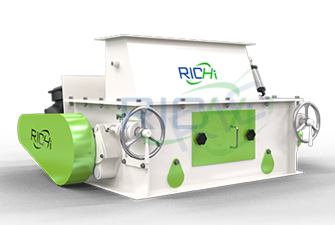
| Дробилка для гранул | SSLG-15*150 | Измельчите гранулы до однородной крошки |
| Вибрационный грохот | SFJZ-100*1C/2C | Просеивание готовых гранул |
| Упаковочная машина | DCS-50FB | Взвесьте и упакуйте готовые гранулы. |
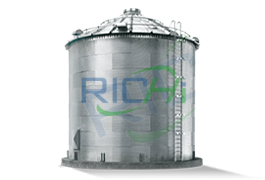
| Силосы для хранения | Нержавеющие силосы | Хранение сырья и готовых гранул |
Молотковая дробилка капельного типа
Двухшнековый лопаточный смеситель
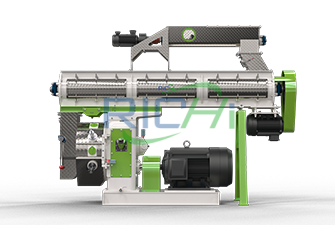
Противоточный охладитель

Дробилка для гранул
Вибрационный грохот
Упаковочная машина
Силосы для хранения
Реализация проекта
Комплексная система решений RICHI охватывает различные аспекты, такие как проектирование решений, производство оборудования, транспортировка товаров и послепродажное обслуживание, обеспечивая вам идеальный проект во всех аспектах.
1
Подготовка проекта
С момента запуска проекта в июле 2023 года наша компания быстро собрала профессиональную команду, которая тщательно разработала полный план производства с учетом потребностей заказчика и условий на объекте, подготовила чертежи фундамента, монтажа стальных конструкций и установки оборудования, а также подготовила необходимое оборудование и материалы, заложив основу для плавного продвижения проекта.

2
Монтаж и ввод в эксплуатацию оборудования
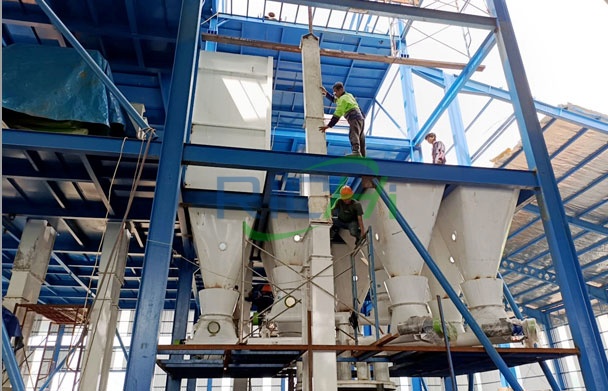
Шесть опытных инженеров были направлены на проектный объект в Узбекистане для руководства установкой оборудования. Благодаря использованию модульного метода установки все оборудование было эффективно установлено в течение короткого 90-дневного периода, что обеспечило бесперебойную работу производственной линии.
3
Обучение оперативным действиям
После установки наши инженеры провели комплексное и систематическое обучение семи операторов клиента, охватывающее эксплуатацию оборудования, ежедневное техническое обслуживание и правила техники безопасности, что позволило им освоить использование и управление оборудованием.

4
пробное производство
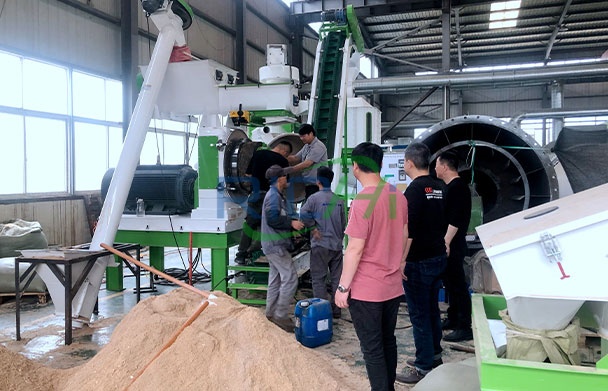
После проведения комплексного обучения работников завода началось пробное производство на производственной линии. Были протестированы и оптимизированы различные показатели производительности производственной линии, чтобы обеспечить ее соответствие производственным стандартам, требуемым заказчиком.
Система послепродажной поддержки
Мы предоставляем комплексную систему послепродажного обслуживания, чтобы обеспечить долгосрочную стабильную работу наших производственных линий и создавать постоянную ценность для наших клиентов.
Комплексная гарантия на оборудование
Комплексная гарантия на оборудование
Мы предоставляем 1 год гарантии на основное оборудование для наших проектов.
В течение гарантийного срока мы предоставим бесплатные услуги по замене деталей и ремонту в случае любой неисправности оборудования, вызванной нечеловеческими факторами, обеспечив непрерывность вашего производства и сведя к минимуму ваши заботы.
Круглосуточная онлайн-поддержка
Мы предоставляем круглосуточную онлайн-поддержку по техническим вопросам. Если у вас возникнут вопросы по эксплуатации или неожиданные неисправности, вы можете связаться с нашими онлайн-инженерами по специальной горячей линии для получения немедленной профессиональной удаленной диагностики и рекомендаций по решению проблем, что обеспечит их быстрое устранение.
Комплексная поддержка документации
По завершении проекта мы предоставим полный и понятный комплект технической документации, включая: руководство по эксплуатации и техническому обслуживанию оборудования, чертежи фундамента, чертежи монтажа стальной конструкции, чертежи установки оборудования, перечень деталей и каталог уязвимых деталей, чтобы облегчить вашу повседневную эксплуатацию и техническое обслуживание.
Систематическое обучение эксплуатации
Во время установки и ввода оборудования в эксплуатацию наши инженеры проведут практическое систематическое обучение ваших заводских работников.
Обучение охватывает принципы работы оборудования, стандартные операции, ежедневное техническое обслуживание, устранение неисправностей и меры безопасности, что гарантирует, что ваша команда сможет умело управлять всей производственной линией.
Профилактическое регулярное техническое обслуживание
Наша команда послепродажного обслуживания будет регулярно связываться с клиентами, чтобы напомнить вам о необходимости своевременного технического обслуживания и ремонта оборудования, помочь вам в проведении проверок состояния оборудования и обеспечить стабильную работу вашей производственной линии в течение длительного времени.
Поддержка долгосрочного партнерства
По истечении гарантийного срока RICHI продолжит предоставлять вам пожизненную техническую поддержку и поставку запасных частей по ценам, значительно ниже рыночных.
Кроме того, мы будем продолжать следить за развитием вашего бизнеса и предоставлять оптимизированные решения, основанные на ваших потребностях в расширении мощностей или модернизации продукции.