SAWDUST DRYER MACHINE
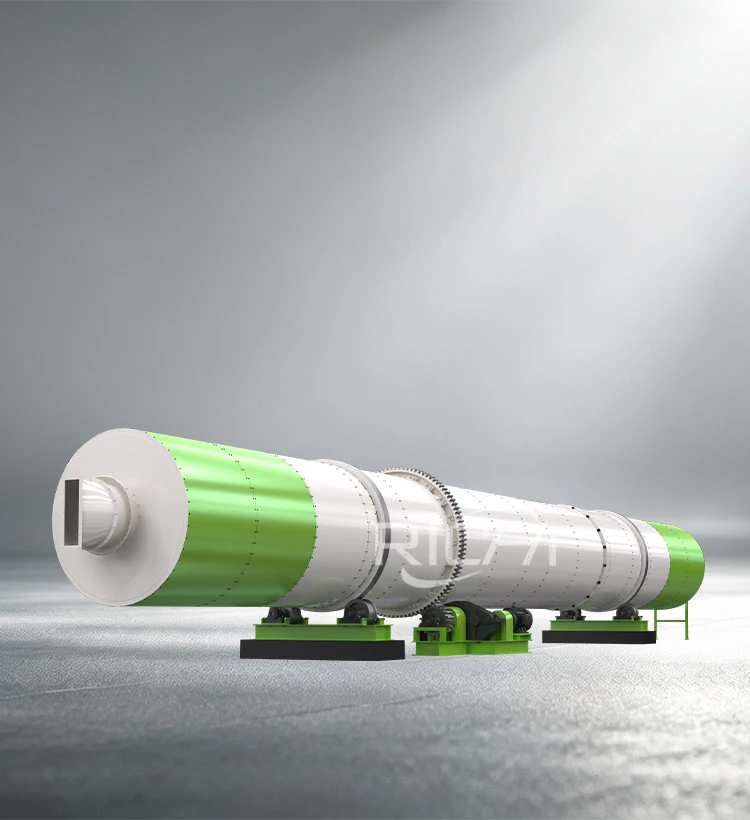
Sawdust Dryer Machine
Overview
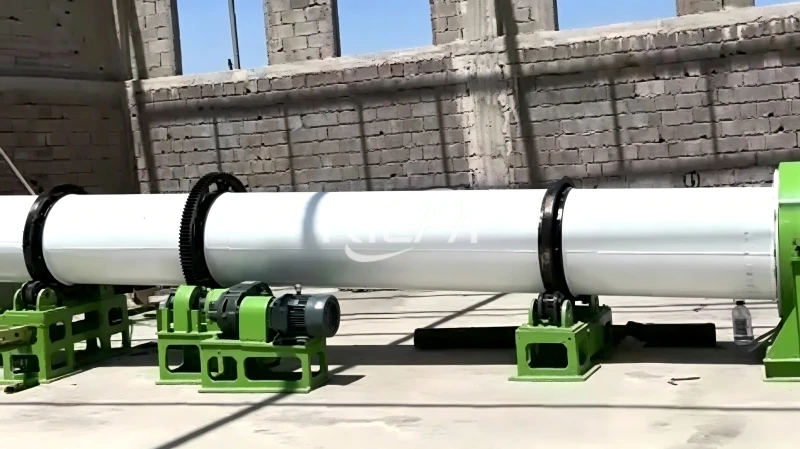
The sawdust dryer machine is a piece of continuous drying equipment commonly used in industry; its main structure consists of a horizontally installed rotary drum. As material enters the drum and the drum rotates, internal lifting flights continuously lift and scatter the material, ensuring full contact with hot air and evaporating moisture through heat exchange.
The RICHI sawdust rotary dryer can be paired with various heat sources, such as biomass burners, gas burners, or coal-fired systems. The moisture content of the finished product can be flexibly controlled by adjusting the drum’s rotation speed and the hot air temperature.
Technical Advantages
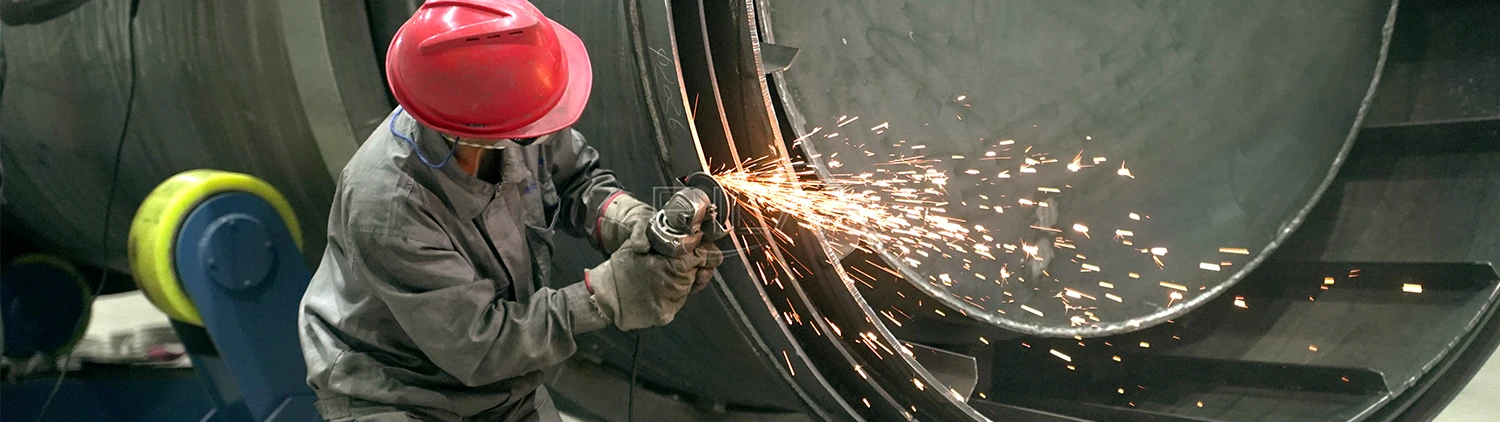
RICHI sawdust dryer machine features upgrades focused on five key areas: operational safety, drying performance, efficiency, equipment durability, and environmental compliance. The entire unit has undergone comprehensive optimization regarding structural design, the drive system, heat exchange technology, negative-pressure dust removal, and intelligent fire protection. Capable of processing a wide range of materials and adapting to diverse production conditions, it serves as a reliable solution for high-efficiency drying in modern factories.

Variable Frequency Speed Regulation System
The drum speed ranges from 3 to 12 rpm. The rotary speed can be flexibly adjusted according to material moisture content and production requirements to precisely control the residence time of materials inside the drum. Reduce the speed to extend drying time when the wet material load is high; increase the speed to boost output when materials are relatively dry.
Fire Safety Design
The sawdust drying machine adopts a complete spark detection and extinguishing system, consisting of spark detectors, sound-light alarms, controllers and spray nozzles. It runs fully automatically from spark detection and alarm to fire suppression, greatly reducing risks of dust combustion and bag filter fire, and ensuring safe continuous operation of the production line.
Three‑Pass Drum Structure
The rotary sawdust dryer adopts a three‑layer nested drum design. Materials pass sequentially through the inner, middle and outer drums to complete drying. The three‑pass structure provides built‑in thermal insulation, reduces cold air infiltration and maintains stable temperature difference for consistent moisture content of finished products. We also offer single‑shell rotary dryers as an alternative option.
Cast Steel Load‑Bearing Core Components
Key load‑bearing parts including riding rings, support rollers, thrust rollers and girth gears are manufactured from high‑quality cast steel with heat treatment. These components feature excellent wear resistance and impact resistance, and resist deformation under heavy loads. They are suitable for 24‑hour continuous operation and reduce downtime for maintenance.
Multiple Heat Source Options & Hot Air System
Heat sources can be flexibly selected: biomass hot air furnace, gas-fired hot air furnace, coal-fired hot air furnace and steam heat exchanger, adapting to local fuel costs. Real-time hot air temperature monitoring links with the feeding system. Auto temperature adjustment ensures stable drying performance.
Negative Pressure Ventilation & Two‑Stage Dust Removal
The negative pressure exhaust design eliminates dust and hot air leakage by maintaining stable micro-negative pressure inside the drum. Combined with cyclone and baghouse two-stage purification, it achieves efficient dust removal and keeps the workshop clean.
Sawdust Dryer Machine Running Videos
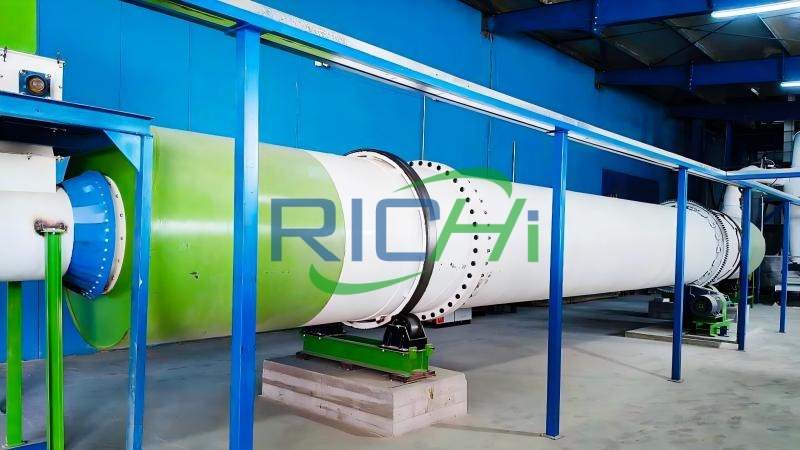

Sawdust Dryer Machine for Sale Romania
The client specializes in biomass pellet production, utilizing beech wood offcuts sourced from sawmills and timber processing plants as raw material. After being crushed, the material is processed into wood pellet fuel. To stabilize production capacity and ensure consistent pellet quality despite fluctuations in raw material moisture content, the client purchased a 1.8-meter wood sawdust dryer.
As the facility lacked a boiler room, we designed a custom direct-drying solution for the system, featuring a biomass hot-air furnace, a burner, and the rotary dryer. The heat source utilizes materials available on-site—specifically, the waste scraps screened out from the production line—resulting in virtually zero fuel costs.
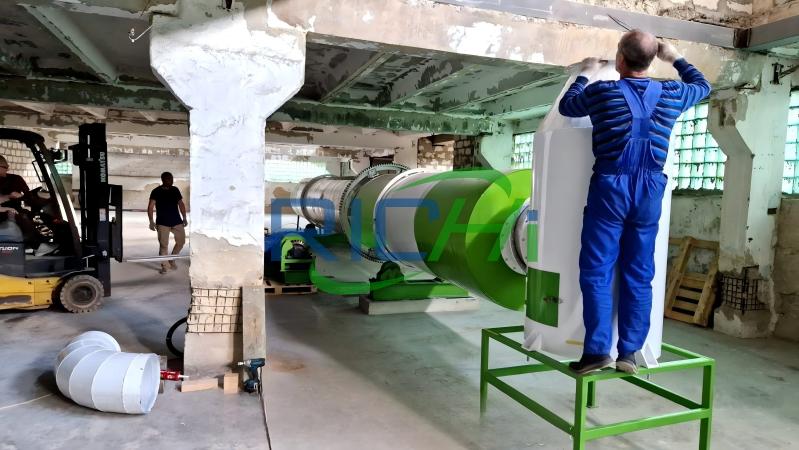
Sawdust Dryer For Sale Moldova
The client is a wood residue trader specializing in the purchase and sale of sawdust and wood chips. Previously, he were limited to trading dry material, resulting in tight supplies and thin profit margins. While wet material is inexpensive, it has a high moisture content of 45%–55%; relying on sun-drying involves long processing times and occupies significant yard space.
Consequently, the client sought to purchase an industrial sawdust drum dryer to dry wet sawdust down to a moisture content of 10%–12% in a single pass, meeting the acceptance standards of biomass pellet and board manufacturers. This solution ensures that operations remain unaffected by the rainy season and guarantees year-round production capacity.
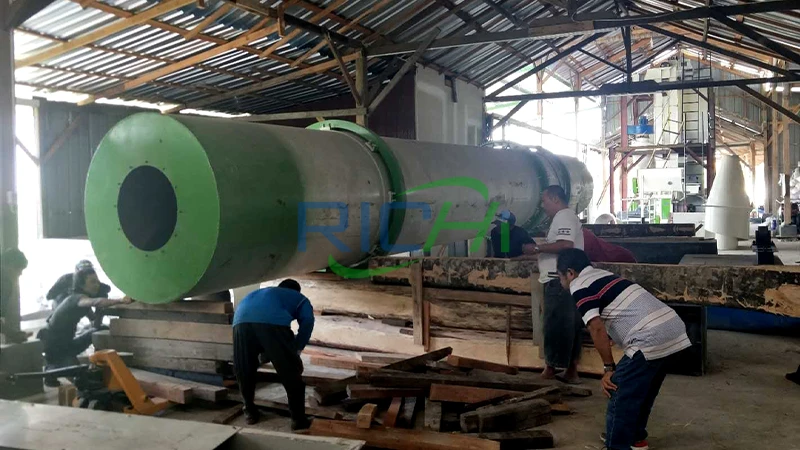
Sawdust Dryer for Sale Indonesia
The client is a manufacturer of biomass pellets with abundant access to waste materials from nearby wood processing plants, furniture factories, and palm plantations. However, the freshly collected sawdust has a moisture content as high as 50%–70%; this not only makes long-term storage difficult but also results in pellets that are loose, prone to cracking, and poorly formed.
To address this, the client purchased a RICHI sawdust dryer to precisely control the sawdust moisture content within the optimal range for pelletization. Additionally, the client constructed an on-site boiler room to provide a continuous, stable heat source for the dryer.
Sawdust Dryer Machine for Sale Worldwide
The core function of our sawdust drying machine is to rapidly reduce the moisture content of wet sawdust to the target level. Our dryers are suitable for a wide range of clients with material drying needs, including biomass pellet plants, particleboard and MDF manufacturers, carbonization facilities, animal bedding processors, and sawdust traders. Below are customer cases from various countries for your reference. Please feel free to contact us for more details. We can customize the drying line solution for you.
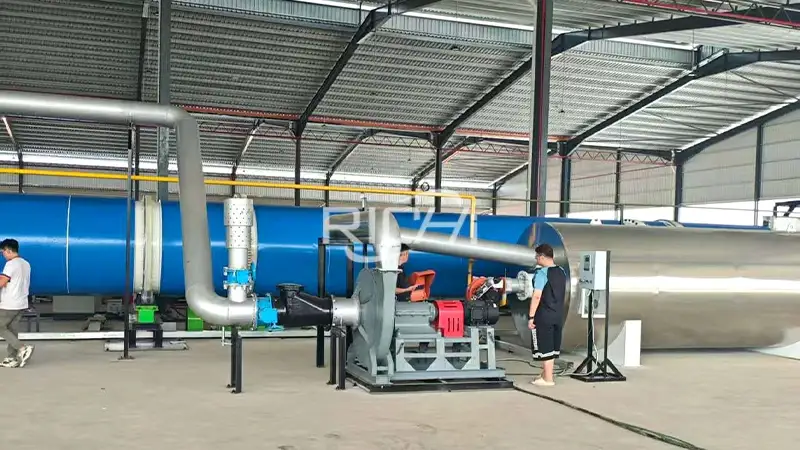
Sawdust Drying Equipment for Sale Malaysia’s Carbonization Plant
A Malaysian carbonization plant purchased an industrial sawdust dryer machine. By drying the raw material to a moisture content of 8%–12% prior to carbonization, the plant effectively increased charcoal yield, shortened processing cycles, and reduced energy consumption.
This drying equipment also offered greater flexibility in raw material sourcing: the client could procure low-cost wet materials in addition to purchasing pre-dried stock, thereby significantly lowering overall raw material costs.
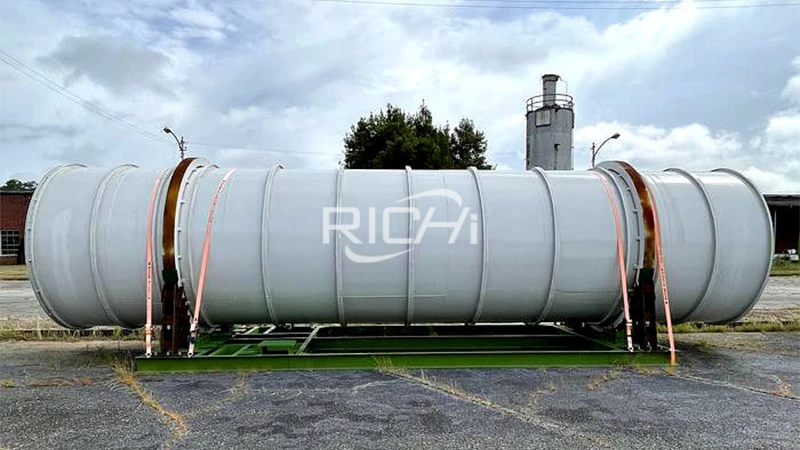
Sawdust Rotary Dryer for Sale Russia’s Pet Bedding Manufacturer
Russia boasts a large number of wood processing and furniture manufacturing plants, ensuring an abundant supply of sawdust raw material. By drying this sawdust, customers can produce and sell animal bedding, thereby achieving significant value-added returns; the dried wood chips can also serve as raw material for manufacturing wood-pellet cat litter.
Given the region’s bitterly cold winters, we have incorporated specialized anti-freezing measures into the storage hopper and conveying sections of the drying line. These features ensure the equipment continues to operate at full capacity even in temperatures ranging from minus 30°C to minus 40°C.
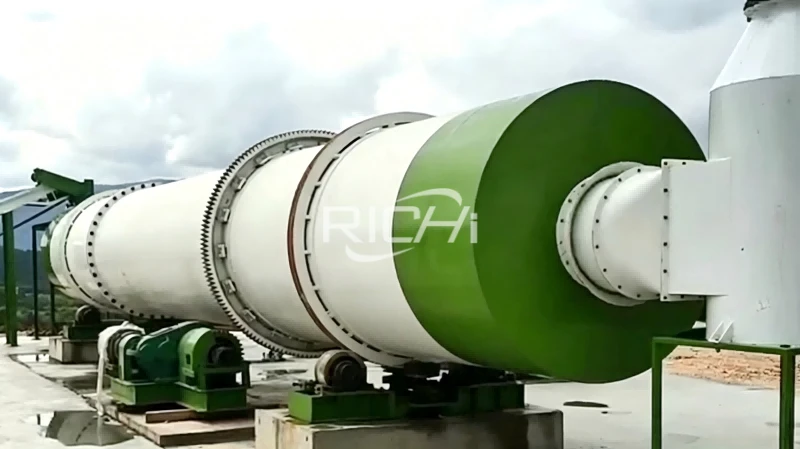
Wood Dust Dryer Machine for Sale Turkey’s Biomass Pellet Plant
This Turkish biomass fuel producer has an abundant supply of agricultural and forestry waste. Due to the high moisture content of the fresh raw material, direct pelletizing often results in loose pellets and limited production capacity.
Consequently, the client purchased a rotary dryer for sawdust to adjust the moisture content to the optimal range, thereby stabilizing pellet quality and increasing production line output.
Wood Powder Dryer for Sale Latvia’s Wood Fuel Pellet Manufacturer
The client commissioned us to build a wood pellet production line. In our design, in addition to standard main equipment such as the crusher, pellet mill, cooler, screener, and packaging machine, we incorporated a sawdust drum dryer. This was necessary because the raw material’s moisture content ranged from 45% to 55%, making direct pelletization impossible without drying.
Waste fines (small pellet fragments) screened from the production line serve as the heat source for the dryer, while waste heat from the exhaust gas is recovered to preheat raw materials or provide space heating for the facility.
←
→
Technical Specification
| Model | φ0.6*6 | φ0.8*8 | φ1.2*12 | φ1.5*15 | φ1.8*18 | φ1.8*20 | φ1.8*36 | φ1.8*12*3C | φ1.8*24*3C |
|---|---|---|---|---|---|---|---|---|---|
| Diameter(m) | 0.6 | 0.8 | 1.2 | 1.5 | 1.8 | 1.8 | 1.8 | 1.8 | 1.8 |
| Length(m) | 6 | 8 | 12 | 15 | 18 | 20 | 36 | 12 | 24 |
| Number of Layers | 1 | 3 | |||||||
| Drum Speed(rpm) | 3~12 | ||||||||
| Inlet Air Temperature(℃) | 400~500 | ||||||||
| Outlet Air Temperature (℃) | 70~80 | ||||||||
Because RICHI’s technology is constantly being updated and iterated, we will continuously upgrade and innovate our equipment. Therefore, the specific equipment parameters are subject to the actual quotation. We will provide more professional customized design and production services for each customer.
additional pretreatment equipment
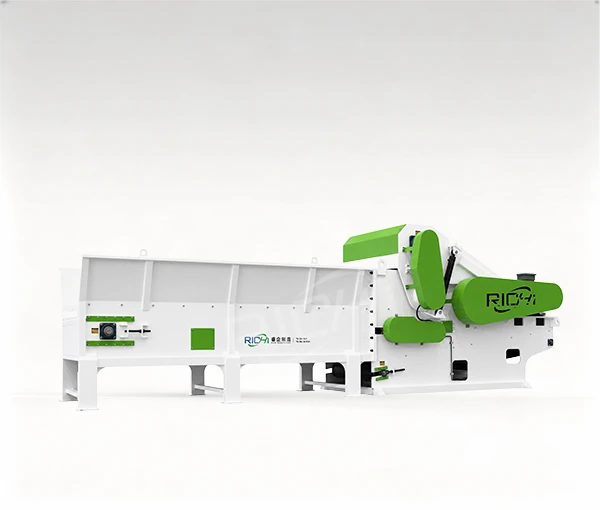
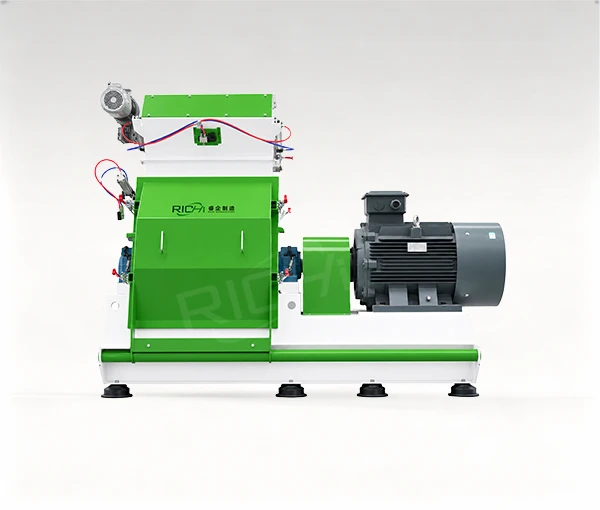
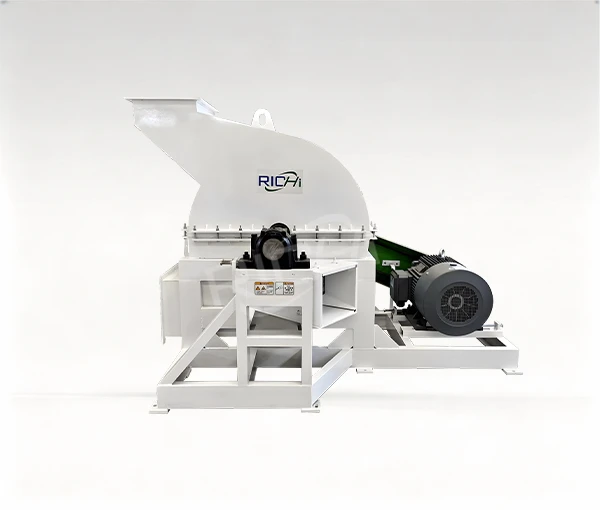
The stable operation of the dryer relies heavily on the upstream pretreatment of raw materials. If large wood chunks are fed directly into the rotary sawdust dryer, not only will drying efficiency suffer, but the dryer drum will also experience accelerated wear. In addition to dryers, we offer various types of wood crushers. We can assess whether additional pretreatment equipment is required based on your raw material type, production capacity, and desired final product.
FAQ
To what moisture content level can your drum dryer reduce the sawdust?
→
Typically, the initial moisture content can be reduced from 40%–55% to 8%–15%; a range of 10%–12% is usually required for biomass pellets, whereas requirements may be slightly more flexible for raw materials used in particleboard or animal bedding.
What heat source does the drum dryer for sawdust use? Are the operating costs high?
→
Available heat sources include biomass burners, natural gas, coal, steam, or waste heat from kilns. Fuel costs depend on local fuel prices, initial moisture content, and thermal efficiency.
What is the price of a sawdust drying machine? How much does the entire investment cost?
→
Sawdust dryer prices range from $15,000 to $120,000, depending on production capacity and configuration. A complete drying system—including the feeding mechanism, hot air furnace, dust removal system, and discharge conveyor—carries a higher price. To obtain an accurate quote, the following details are required: target production capacity, initial and target moisture content, and the type of heat source.
How large a space is required? What are the installation requirements?
→
The wood sawdust dryer typically requires a footprint of approximately 2-3 meters. A level, hardened surface is needed, along with a suitable power supply and a designated area for fuel storage. We can provide customers with equipment layout plans and foundation construction drawings.
How safe is the dryer? Is there a risk of fire or dust explosion?
→
Our dryers are equipped with a comprehensive spark detection and suppression safety system—including spark detectors, audible and visual alarms, controllers, and sprayers—to effectively prevent fires.
What is the quality of the dried sawdust like? What can it be used for?
→
The rotary dryer ensures uniform drying and agitation, preventing material scorching or clumping. The dried sawdust features consistent color and stable moisture content, making it suitable for applications such as biomass pellets, biomass briquettes, raw materials for particleboard and MDF, edible fungus substrates, and livestock bedding.
What is your warranty service like?
→
We provide a one-year warranty on the entire machine, as well as installation guidance, operational training, a supply of wear parts, and support via remote guidance or on-site repair. (view our YouTube)