
Biomass Pellet Milll
.webp)
.jpg)
Biomass Pellet Mill: Turn Waste into Renewable Energy
To address global warming, developing sustainable clean energy has become an urgent priority. Biomass energy (such as wood chips and straw) is an excellent option. However, transforming these loose raw materials into convenient fuel requires a reliable biomass pellet machine. RICHI is a professional biomass pellet machine manufacturer that helps customers convert waste resources into high-value clean energy.
Our biomass pellet mill boast strong raw material adaptability, stable molding performance, and low energy consumption. Single-machine capacity ranges from 0.2 to 4 T/H, producing biomass pellets with diameters ranging from 2 to 12 mm.
Whether you want to process wood waste (sawdust, branches), crop residues (corn stalks, rice husks), or industrial organic byproducts (palm kernel shells, bagasse), our biomass pellet mill can efficiently convert these wastes into dense, uniform biomass pellets (calorific value 3900-4800 kcal/kg). These pellets can be used for power generation, industrial heating, rural heating, and aquaculture insulation, achieving “turning waste into treasure” while reducing environmental pollution. Join us in promoting the development of green energy!
RICHI Biomass Pellet Mill For Sale
Discover your perfect match in biomass pellet mill. Select a model that powers your production and propels your sustainable fuel venture forward.
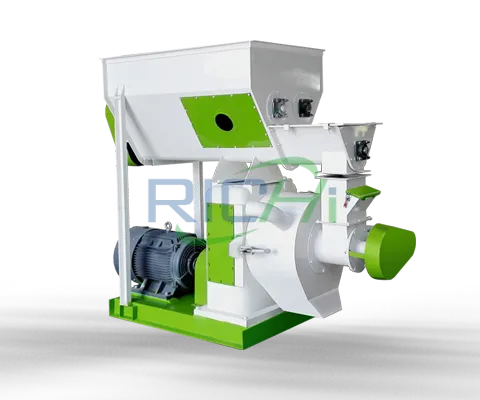
MZLH320 biomass pellet mill
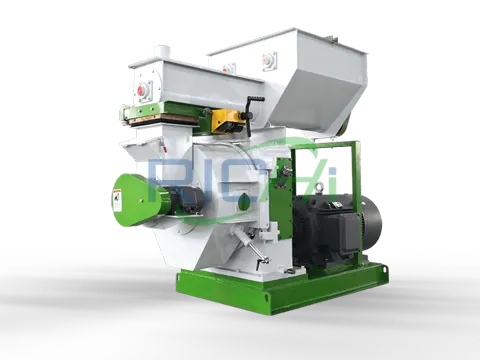
MZLH520 biomass Pellet Machine
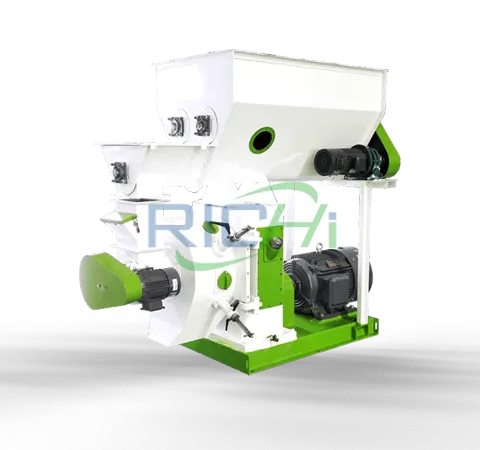
MZLH350 biomass Pellet Machine
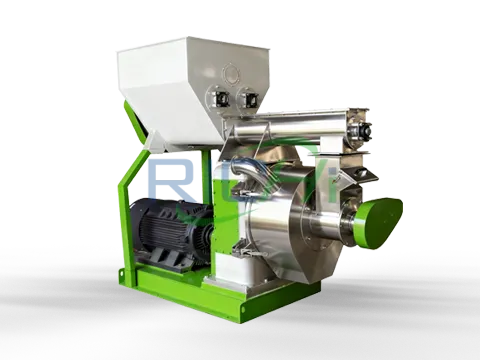
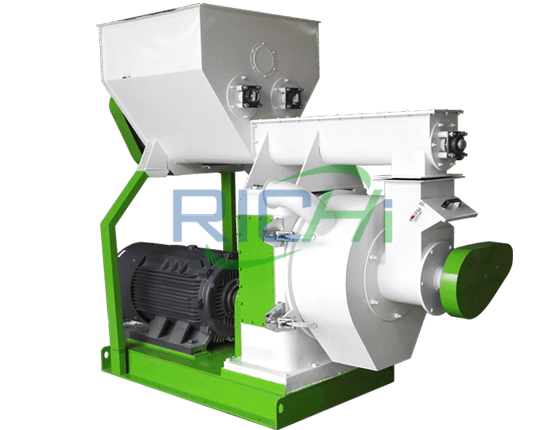
MZLH678 biomass Pellet Mill
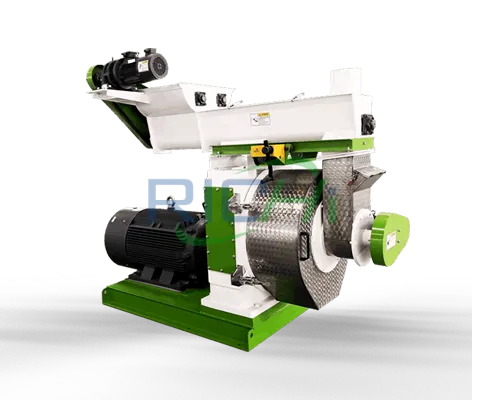
MZLH420 biomass pellet maker
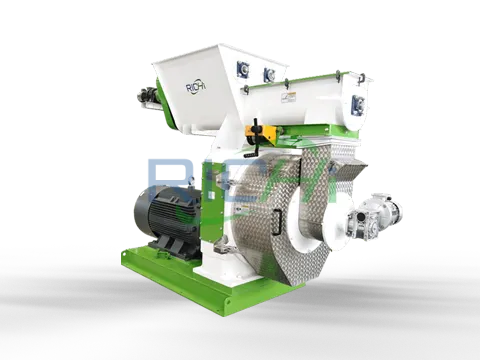
MZLH768 biomass Pellet Mill
Biomass Pellet Mill: Turn Waste into High-Value Commodity Pellets
RICHI biomass pellet mill boasts exceptional raw material adaptability, capable of efficiently processing various types of agricultural waste (straw, rice husks), forestry residues (sawdust, wood chips, branches, timber offcuts), agricultural processing by-products (soybean meal, distillers’ grains), recycled organic waste (palm kernels, coconut shells, construction formwork, used wooden pallets, waste paper) and even livestock manure—virtually all biomass materials. This comprehensive compatibility effectively meets resource utilization requirements across different regions and scenarios, covering multiple categories of processable raw materials.
Various Kinds of Raw Materials
Our biomass pellet mill can flexibly process various raw materials, which greatly reduces raw material costs and can also help users (such as farms and timber processing plants) transform “waste” into valuable commodities, saving processing fees and generating profits through pellet sales.

Branches
Logs
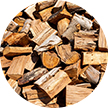
Split Wood
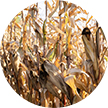
Crop Stalk

Hay Bales
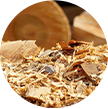
Sawdust
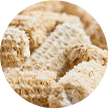
Corncob

Withered Leaves
Biomass Pellet Mill video
Want to see firsthand how a biomass pellet mill operates stably and creates value? Watch the real-life video of the RICHI biomass pellet maker. You’ll see how it efficiently compresses raw materials such as sawdust and straw into high-value pellet fuel, and its reliable performance is a solid guarantee for you to “turn waste into treasure.”


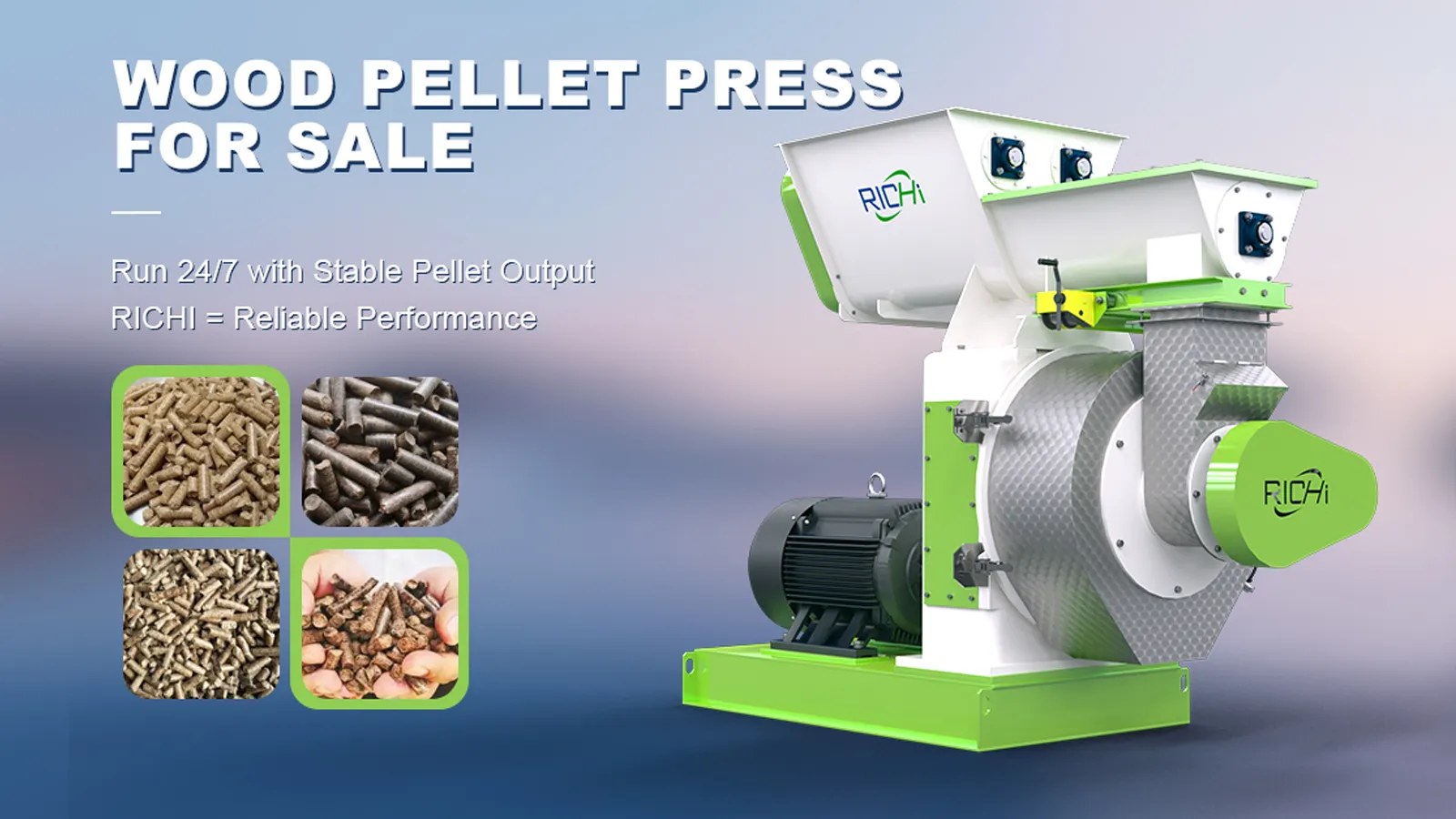
Application of RICHI Biomass Pellet Mill
As a core piece of equipment that converts various biomass raw materials into high-density, regularly shaped fuel pellets, biomass pellet mill has a wide range of applications. The application of RICHI biomass pellet machine has expanded from a single “energy production” to multiple key fields such as industry, commerce, civil use, power generation, agriculture, and new materials, addressing different market demands and creating multiple economic values.
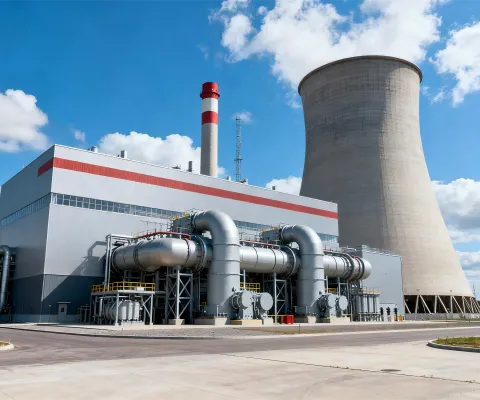
Biomass energy power generation
Utilize a biomass pellet machine to produce pellet fuel, which can be used in biomass power plants, or co-fired with coal for “co-combustion power generation,” thus realizing renewable energy power generation.
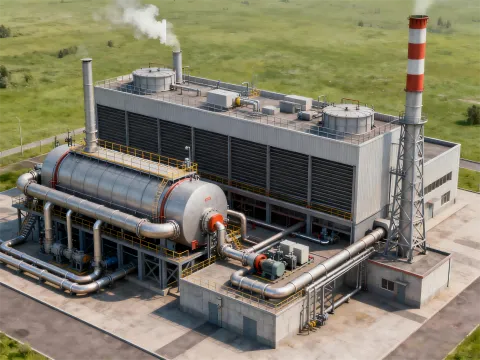
Commercial and District Heating
Biomass pellets can be used to provide centralized heating for schools, hospitals, communities, commercial complexes, greenhouses, etc., with heating costs lower than fuel oil and electricity.
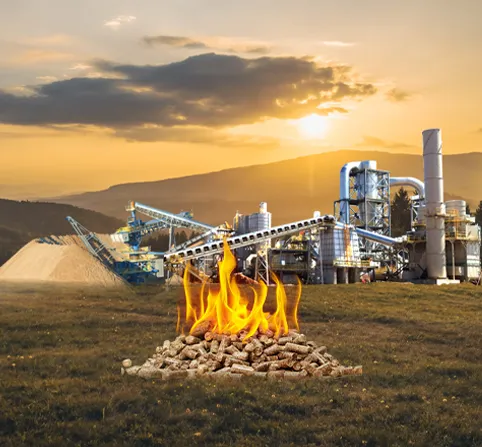
Industrial boiler heating
Biomass pellet maker can be used to process biomass waste generated during the production processes of large industrial enterprises, turning it into fuel to provide steam or heat for the factory, thereby reducing energy costs and achieving carbon emission reduction targets.

Farm animal bedding
Biomass pellet mill produces pellets from specific raw materials for use as bedding in farm animals’ pens (especially poultry and horses). The pellets are highly absorbent, antibacterial, produce little dust, and are easy to clean.

Residential heating and household energy
The finished pellets produced by biomass pellet press can be used as fuel for home fireplaces, biomass heating stoves, and pellet stoves. They are cleaner, more convenient, and have higher thermal efficiency than traditional firewood; and they are cheaper than electric and gas heating.

Emerging Materials and Special Applications
Biomass pellet mill can produce pellets that can be used as barbecue fuel, adsorbents, or bio-based materials.
A Complete Biomass Pellet Production Line
A biomass pellet production line is a highly integrated and efficient large-scale processing system. Through a series of precise processes, it converts various biomass raw materials, such as sawdust, straw, rice husks, and agricultural and forestry processing waste, into biomass pellets that are easy to transport, store, and burn cleanly. These pellets are widely used in various environmentally friendly energy fields, including industrial heating, residential heating, and biomass power generation.
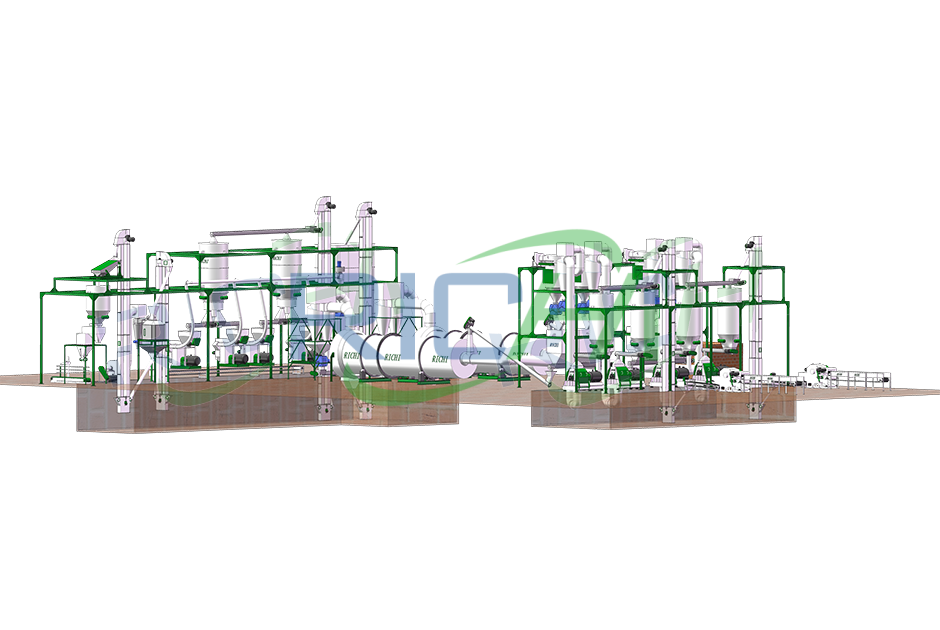
coarse crushing
01
The newly delivered biomass raw materials are from diverse sources and vary in size (such as branches, planks, and straw bundles). They need to undergo preliminary crushing to cut them into relatively uniform blocks or flakes in preparation for subsequent fine grinding.
fine grinding
02
The coarsely crushed material is further pulverized into fine powder. This is a crucial pretreatment step before pelleting. The particle size of the raw material directly affects the pelleting rate, pellet quality, and die wear rate. A particle size of 3-5 mm or less is typically required.
dust collecting
03
The dust collection system is not a standalone process, but rather integrated throughout the entire production line, especially at the crushing, screening, and material discharge points. It is used to collect dust generated during production, ensuring a safe production environment (preventing dust explosions), protecting worker health, and reducing raw material waste.
drying
04
Biomass raw materials may contain a large amount of moisture (such as pasture), which is not conducive to pelleting. Therefore, the materials need to be dried to adjust the moisture content of the raw materials to the optimal range for pelleting (usually 12%-15%).
pelleting
05
This is the core step in transforming powdered raw materials into columnar pellets. Under the high temperature and pressure environment of the pelleting chamber, the lignin softens fully, acting as a natural binder. The biomass powder is then subjected to strong extrusion by a ring die and rollers, forming high-density strips, which are then cut into uniformly sized pellets by a synchronous cutter.
cooling
06
The pellets that come out of the biomass pellet mill are very hot (up to 70°C) and relatively soft. The purpose of cooling is to quickly lower the temperature of the pellets, harden and set their shape, and remove some of the moisture for easier storage and transportation.
Screening
07
The screening process separates finished pellets that meet the required size and removes any remaining powder and broken particles from the cooled pellets, improving the appearance and uniformity of the finished product and ensuring it meets standards. The screened powder can be returned to the pelleting process for reuse.
Packaging
08
The qualified finished pellets are accurately weighed by an automatic weighing machine according to the preset weight (e.g., 25kg/bag), packed into packaging bags and sealed, and finally stacked.
Essential Auxiliary Equipment
RICHI Machinery can not only offer your a biomass pellet mill, but also can provide customers with complete sets of equipment from raw material crushing to finished product packaging. We offer a variety of models to meet the needs of different customers. We can select the most suitable equipment for you based on your investment budget, production requirements, and factory size.
Wood Crusher
Wood crusher can quickly crush waste wooden templates such as pallets and wooden frames into 5-10cm pieces, reducing the processing difficulty for subsequent chipping and pulverizing processes.
The cutter shaft and crushing structure are optimized to prevent metal impurities such as nails and screws from being present in the waste templates, thus avoiding scratches to the equipment or affecting subsequent processes.
Wood Chipper
Wood chipper can quickly slice logs, branches, and other blocky wood into uniform chips of 2-5cm. They are resistant to different types of hardwood and softwood, and are suitable for diverse raw material supplies in biomass pellet production lines.
The blades are made of wear-resistant alloy material, and the cutter head is reinforced to withstand the impact of high-hardness wood materials. It also support continuous feeding and chipping.
Biomass Hammer Mill
Water-drop hammer mill boasts high crushing precision, capable of processing cut wood chips, straw, and other raw materials into fine powder, ensuring that the particle size meets pelleting requirements and improving pellet formation rate and density.
The crushing chamber employs a water-drop structure, ensuring good material flow, reducing clogging, and minimizing energy consumption.
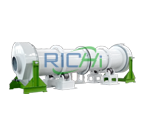
Biomass Drying machine
Rotary drum dryer can rapidly reduce the moisture content of biomass raw materials, providing qualified moisture (12%-15%) for subsequent pelleting processes, ensuring pellet formation rate and hardness.
Through the rotation of the drum and full contact with hot air, uniform evaporation of moisture from both the inside and outside of the biomass raw materials is achieved. Drying uniformity reaches over 95%, and heat utilization rate reaches 80%, reducing production energy costs.
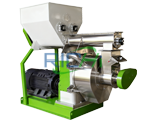
Biomass Pellet Mill
It compatible with various biomass raw materials such as wood, straw, and herbs, and can withstand raw materials with different fiber contents and moisture content (10%-15%).
The screw and roller structures are optimized to prevent material sticking and blockage, adapting to diverse raw material supplies. Pellet formation rate ≥98%, high density, and high pellet combustion efficiency.
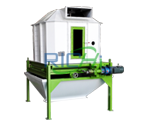
Counterflow pellet Cooler
It can quickly cool freshly pressed, high-temperature biomass pellets to room temperature ±3℃ and reduce pellet moisture (≤12%), preventing mold and clumping caused by high temperatures and ensuring storage stability.
RICHI cooler achieves uniform cooling inside and outside the pellets through countercurrent heat exchange, avoiding localized over-drying and cracking or over-wetting and sticking, ensuring the integrity of biomass pellet formation and improving yield.
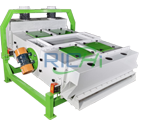
Biomass pellet Vibrating Screen
Vibrating screen can precisely grade cooled biomass pellets, separating substandard fragments and impurities to ensure the uniformity of finished pellets and improve the combustion efficiency and commercial value of biomass pellets.
Addressing the tendency of biomass pellets to stick together, an anti-clogging screen design is employed to reduce fine powder blockage, making it suitable for grading various types of biomass raw materials such as sawdust and rice husks.
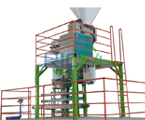
Automatic Packaging Machine
Automatic quantitative packaging machine can precisely weigh biomass pellets (wood chips, straw pellets, etc.) enable rapid, quantitative packaging of 10-50kg/bag, ensuring a weight error of ≤±0.2% per bag.
Seamlessly integrated with the biomass pellet production line’s output stage, it supports uninterrupted continuous packaging, improving delivery efficiency. Sealing methods include heat sealing, sewing, and a combination of these.
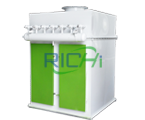
Pulse Dust Collector
This machine rapidly captures sawdust and straw dust generated during biomass pellet production (crushing, screening, and packaging), preventing dust dispersion and pollution of the workshop environment, eliminating the risk of dust explosions, and ensuring safe production line operation and a clean production site.
Optimized fan and jet cleaning system design reduces energy consumption while achieving efficient dust removal.
Global Cases
With 30 years of experience, RICHI Machinery is your most trusted supplier of biomass pellet mill. Leveraging industry-leading technology and high-quality service, we are committed to providing customized solutions for global clients. Our technology has been validated in practice by over 2,000 clients in more than 140 countries. The case studies below document some of our collaborative stories. Your needs are the beginning of our next exciting chapter. We look forward to communicating with you and discussing your specific requirements.
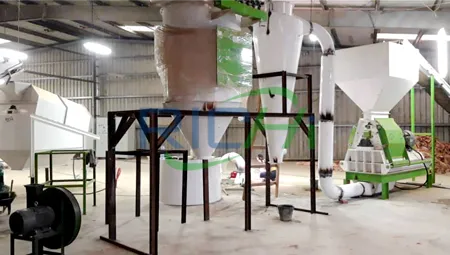

Austria 5T/H biomass pellet mill for wood sawdust
Austria, as a leading biomass pellet producer in the EU, possesses enormous market potential. We customized a high-efficiency production solution centered on a professional biomass pellet mill for our Austrian client, successfully helping him enter the market.
This system, with the biomass pellet machine as its core, specializes in producing 6-12 mm heating pellets—high-quality products that provide clean energy for local residents and industrial boilers.
The integrated setup around the biomass pellet mill includes a drum chipper, hammer mill, EU-standard auxiliary components, and counter-current cooler, forming a seamless production workflow.
- Capacity: 5T/H wood pellet
- Bioamass Pellet Mill Model: MZLH350
- Main Motor Power: 37kW
- Pellet Diameter: 6-12 mm
- Installation cycle: 50 Days
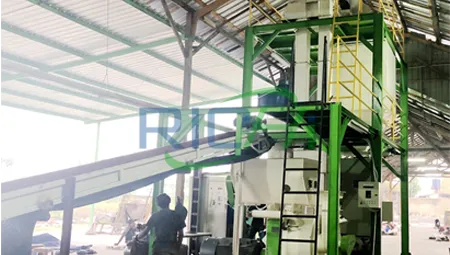

Indonesia 3-5T/H biomass pellet mill for straw husk pellet
This customized solution, centered on a professional biomass pellet mill, is tailored for an Indonesian client to process alfalfa straw, rice husks and other abundant local agricultural byproducts—including rice straw, alfalfa and more—into high-quality pellets.
The biomass pellets produced by this biomass pellet maker-based system serve as excellent feed for ruminants, perfectly matching the client’s breeding and agricultural resource utilization needs.
Considering the lightweight nature of the raw materials, we specifically configured a forced feeder and anti-bridging feed hoppers for the biomass pellet press, ensuring a continuous and smooth flow of raw materials into the core equipment.
- Capacity: 3-5T/H straw husk pellet
- Bioamass Pellet Mill Model: CZLH520
- Main Motor Power: 132kW
- Pellet Diameter: 6-12 mm
- Installation cycle: 30 Days
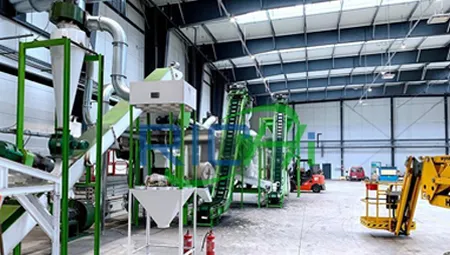

mexico 10T/H biomass pellet mill for pellet fuel
This large-scale biomass pellet production solution, built around a high-performance biomass pellet mill, is customized for a Mexican client to process sawdust into 8mm wood pellet fuel—products widely applied in power plants and the heating market.
The entire production system features high automation, covering the full workflow from raw material crushing, drying, pelleting, cooling to final packaging without extensive manual intervention.
The core pelleting equipment of this system is a 137kW biomass pellet making machine designed specifically for the North American market, offering excellent pellet quality, high pellet density, and high combustion efficiency.
- Capacity: 10T/H wood pellet
- Bioamass Pellet Mill Model: MZLH520
- Main Motor Power: 132kW
- Pellet Diameter: 8 mm
- Installation cycle: 90 Days
Global Footprints

NORTH AMERICA
EUROPE
SOUTH AMERICA
AFRICA
ASIA
OCEANIA
Frequently Asked Questions
Below you can find answers to some frequently asked questions for biomass pellet mill. We hope this information is helpful. If you cannot find the answer you need, or still have other questions, please feel free to contact us, and we will be happy to assist you.
–
What raw materials can your biomass pellet mill process?
Our biomass pellet mill is specifically designed to process a variety of biomass materials and offer excellent adaptability. These primarily include:
- Wood-based raw materials: wood chips, sawdust, shavings, branches, etc.
- Agricultural waste: straw (rice straw, wheat straw), rice husks, peanut shells, rice stalks, etc.
- Livestock manure: chicken manure, duck manure, cow manure, pig manure, horse manure, etc.
- Urban organic solid waste: food scraps, waste paper, waste furniture, kitchen waste.
Specific production capacity and mold selection will vary depending on the characteristics of the raw materials. Our experts can provide you with tailored advice.
–
Does your biomass pellet mill have specific requirements for the size and moisture content of the raw materials?
Before entering the biomass pellet mill, the raw materials need to be crushed to a size no larger than 3-5 mm. You don’t need to worry about your raw materials being too large (such as logs, scrap planks, or large blocks of wood). We have various types of crushing equipment that can crush any size of your raw materials to the appropriate granulation size.
The optimal moisture content range is typically between 12% and 18%. Too much moisture will result in loose, easily broken granules; too little moisture will make them difficult to form and will accelerate mold wear.
Does your pellet mill require the addition of binders when producing wood pellets?
In most cases, this is not necessary. Under the high temperature and pressure of the rollers, the lignin in the biomass feedstock softens and acts as a natural binder, forming solid pellets upon cooling. For feedstocks with poor binding properties (such as some types of straw), we can provide professional process adjustment suggestions.
–
What is the single-unit production capacity range of your biomass pellet mill?
Our biomass pellet mill has a wide production capacity range, with a single machine capacity ranging from 0.3 to 4 tons per hour. And multiple pellet mills can be arranged for simultaneous production according to your capacity requirements. Whether you require a small capacity of a few hundred kilograms or a large industrial-grade production line with capacities of tens of tons, we can meet your requirements.
–
What is the calorific value of the produced pellets?
Pellets produced by our biomass pellet mill have high density, low moisture content (10%-15%), high combustion efficiency, carbon content of 75%-85%, and a calorific value of over 3900-4800 kcal/kg. After carbonization, the calorific value can reach as high as 7000-8000 kcal/kg.
–
What is the typical payback period for investing in a biomass pellet maker?
The payback period is influenced by various factors, including raw material costs, pellet selling price, capacity of biomass pellet maker, electricity costs, and operational management. When raw material sources are readily available and costs are low, many customers experience a payback period of 1 to 2 years. By converting inexpensive waste biomass into high-value commercial fuel, this investment typically yields substantial economic and environmental benefits.
–
What is the lifespan of core wear parts of biomass pellet machine (such as ring die and roller)? Are spare parts readily available?
RICHI prioritizes product quality above all else, insisting on using high-quality alloy steel to manufacture its pelletizing equipment. The ring die is made of 42CrMo and processed with advanced carburizing heat treatment, resulting in superior wear resistance. Under normal use, the equipment lifespan can reach 1000+ hours.
We can provide spare parts for all vulnerable components of our equipment at competitive prices and with fast delivery, ensuring your long-term operating costs remain under control.
–
How can I choose the right biomass pellet mill based on my specific situation?
Choosing the most suitable biomass pellet mill requires considering your raw material type, target daily/annual output, budget, and plant location.
We strongly recommend that you consult immediately with our project engineer, providing your specific information. We will provide you with a professional equipment selection plan and investment budget analysis to help you make the most informed decision.
–
Do you provide installation, commissioning, and technical training services?
Absolutely yes. We provide comprehensive technical support services after you purchasing the biomass pellet mill. This includes detailed installation instructions, remote commissioning support, and on-site or online training for customer operators. For large production line projects, we can dispatch engineers to provide on-site installation guidance and commissioning to ensure smooth project launch.
–
What is your after-sales service and warranty policy?
If you purchase our biomass pellet mill, we will provide you with the most attentive and comprehensive after-sales service to establish a long-term partnership.
- Spare Parts Supply: We maintain stock of common spare parts for quick dispatch, minimizing your downtime.
- Warranty Period: One year free warranty for the whole machine (excluding wear parts).
- Technical Support: Lifetime free remote technical consultation.
- Response Mechanism: We promise to respond to your inquiries within 24 hours. For urgent breakdowns, rapid resolution is available via remote video guidance; if on-site support is necessary, we will dispatch an engineer promptly.