
Ruminant Feed Production Line in Indonesia

Overview of Ruminant Feed Production Line in Indonesia
— Richi Machinery —
3-5 T/H
Capacity(tons/hour)
6-12 mm
Pellet Size(mm)
30 Days
Installation Period(days)
$350,000
Guide Price(USD)
Brief Introduction
Pelleted feed offers significant advantages, including ease of storage and transportation, along with stable nutritional content, making it highly popular among livestock farmers. Besides, Indonesia, with its vast grasslands and abundant forage resources, provides a solid foundation for the development of the grass pellet feed industry.
Recognizing the growing market demand, our client has decided to invest in establishing a 3-5 T/H ruminant pellet production line. This strategic initiative can meet the demand for high-quality feed within the local and regional livestock sector.
- Capacity: 3-5 T/H (annual output: 5 t/h × 24 h × 300 days =36,000 tons)
- Pellet Diameter: 6-12 mm
- Raw Materials: elephant grass, straw, corn, rice husks, soybean meal, etc.
- Customized: Yes
- Automation Degree: full-automatic
- Product Application: cattle or sheep feeds
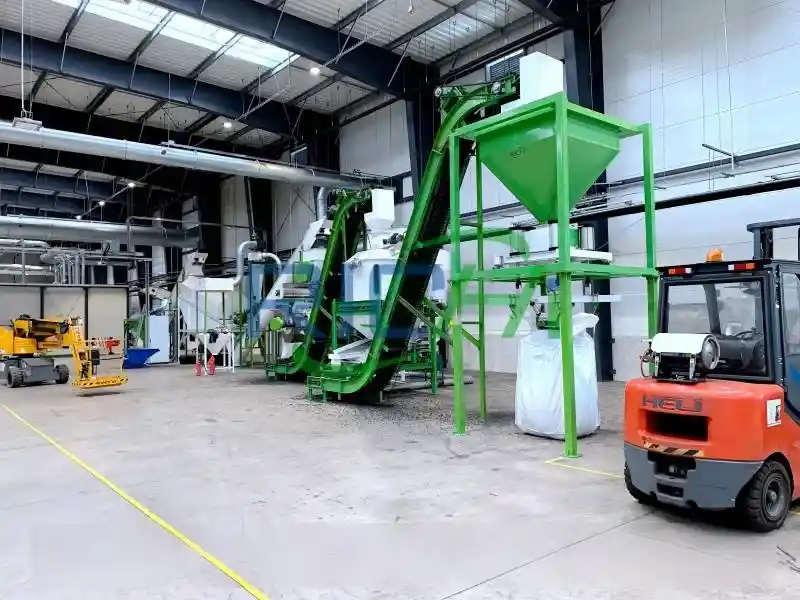
Key Equipment of Ruminant Feed Production Line in Indonesia
Based on the Indonesian client’s need to process local raw materials such as forage grass, corn, and soybean meal, RICHI has professionally designed a comprehensive ruminant feed production line solution. Additionally, we provide a full range of animal feed machine covering the entire production process, delivering an integrated system from raw material handling to finished product packaging. This supports the client in efficiently establishing a localized ruminant feed production system.
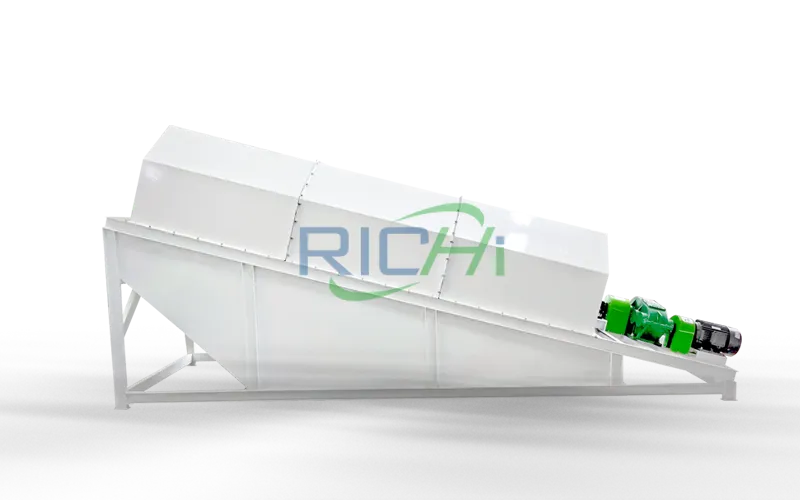
Rotary Screen Separator
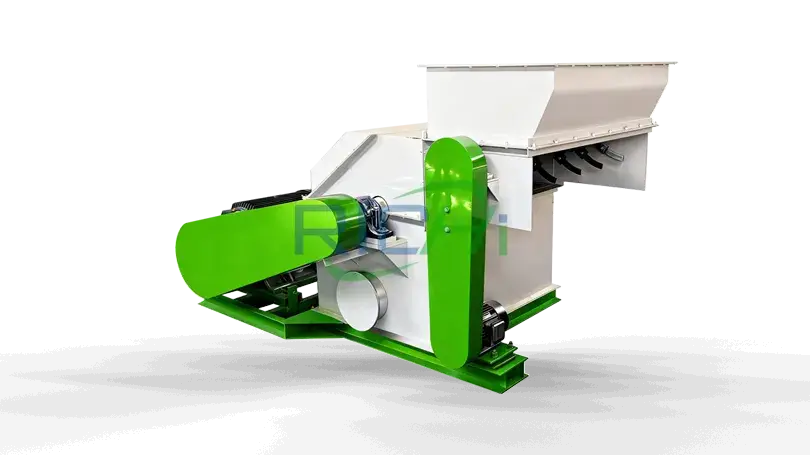
Forage Crushing Machine
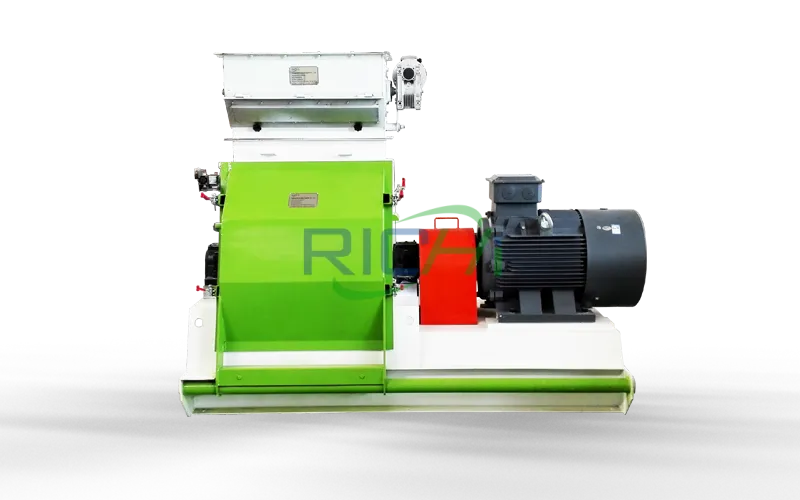
Water-Drop Type Feed Hammer Mill
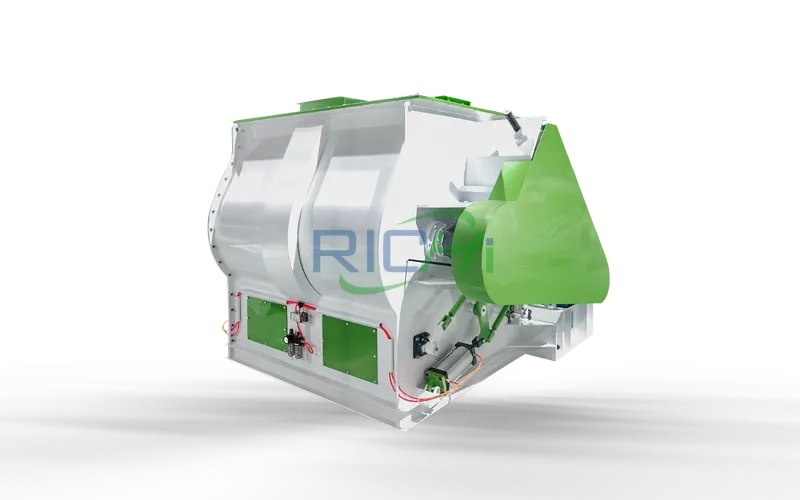
Twin-Shaft Paddle Feed Mixer
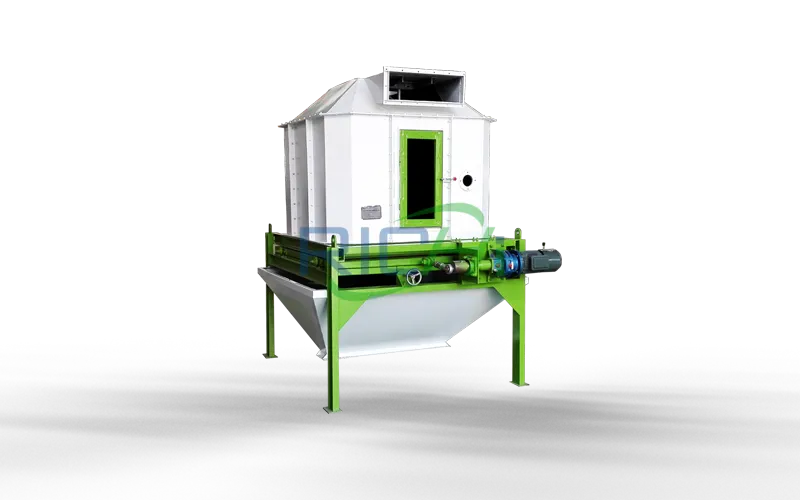
Counterflow Cooler
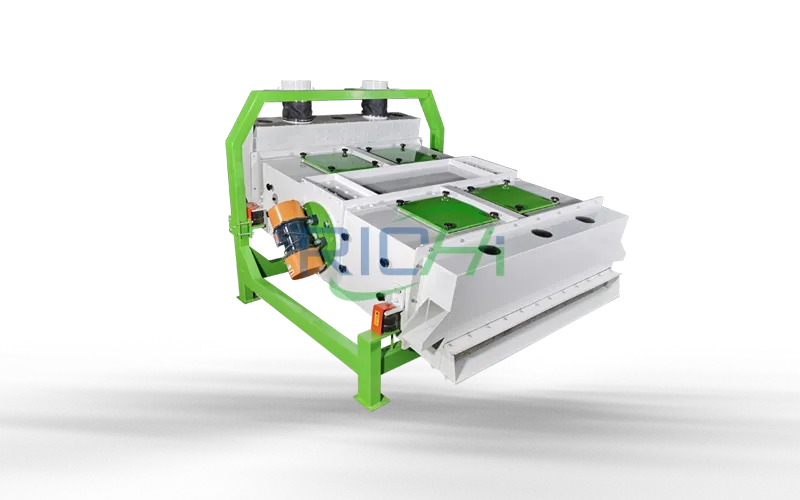
Vibrating Screen
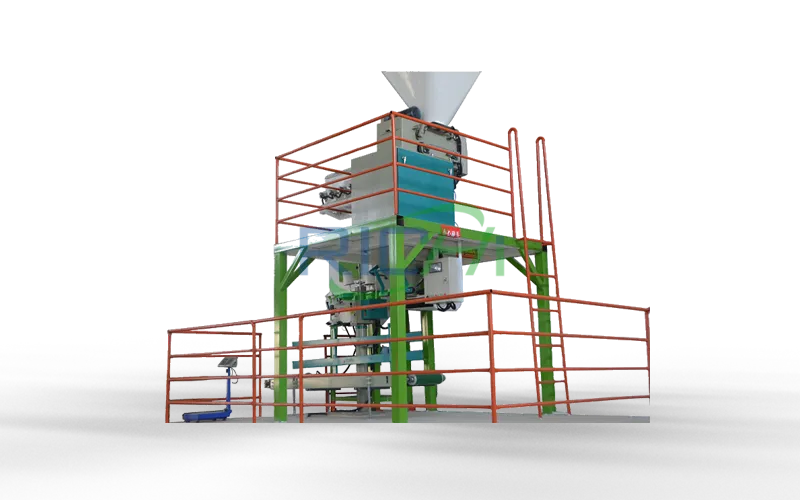
Packing Machine
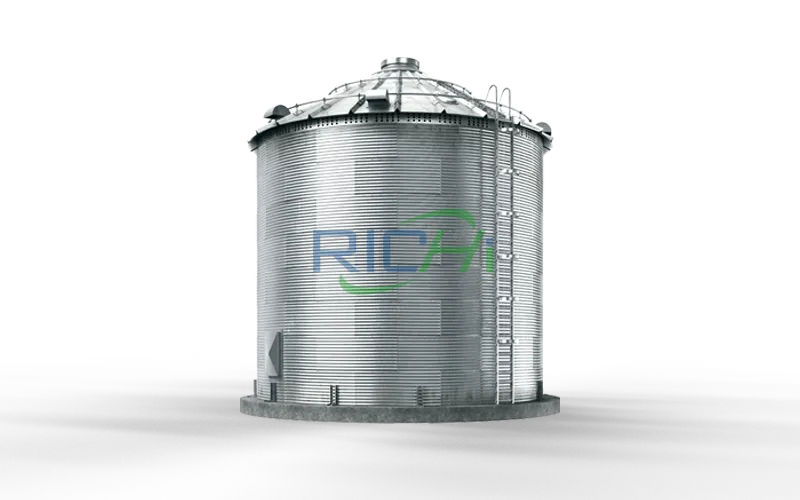
Storage Silo
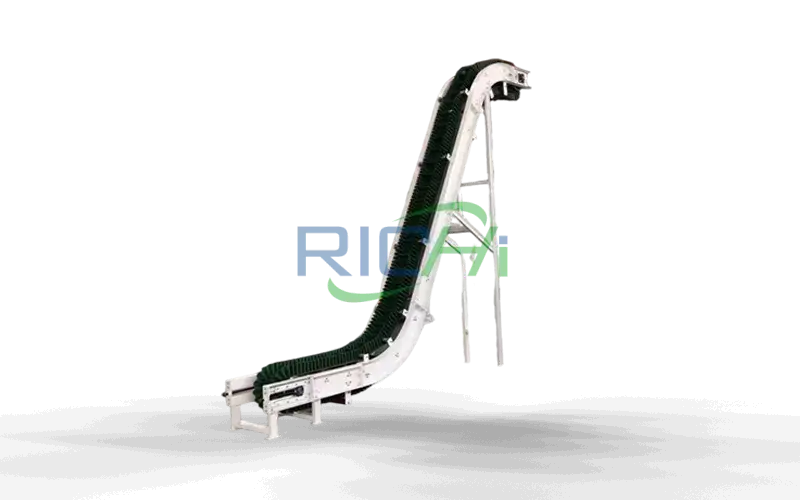
Conveyor
Custom-Designed Ruminant Feed Production Line in Indonesia
Drawing on years of project experience in Southeast Asia, we have developed this ruminant feed production line solution that balances adaptability to tropical climates and flexibility for local raw materials. It is not just a set of equipment, but a complete technical system covering “raw material analysis – process design – cost optimization.”
1
Flexible Raw Material Pre-Treatment:
Multi-material adaptability with fiber structure and nutrient retention.
- We use a forage crusher to process forage grass. It cuts fibers effectively and preserves nutrients well.
- We use a hammer mill to grind rice husk, corn and other agricultural by-products.
- The grinding size is precisely controlled at 2–4 mm. Therefore, it meets ruminant feeding needs and supports stable pelleting.
2
Accurate Batching and Efficient Mixing:
Ensuring consistent nutrition in every pellet.
- We use a multi-bin weighing system for grass meal, grains, protein materials and fiber by-products. As a result, it measures each raw material accurately.
- We apply a twin-shaft paddle mixer. It delivers fast mixing with very few dead zones. In addition, mixing uniformity reaches a CV ≤5%.
3
High-Maturity Pelleting Process:
- A low-temperature, long-retention conditioner is installed. By accurately controlling conditioning temperature and time, heat-sensitive nutrients are protected. At the same time, starch is well gelatinized and fibers are softened.
- Steam works together with liquids, such as water, molasses, or oil, to improve conditioning efficiency.
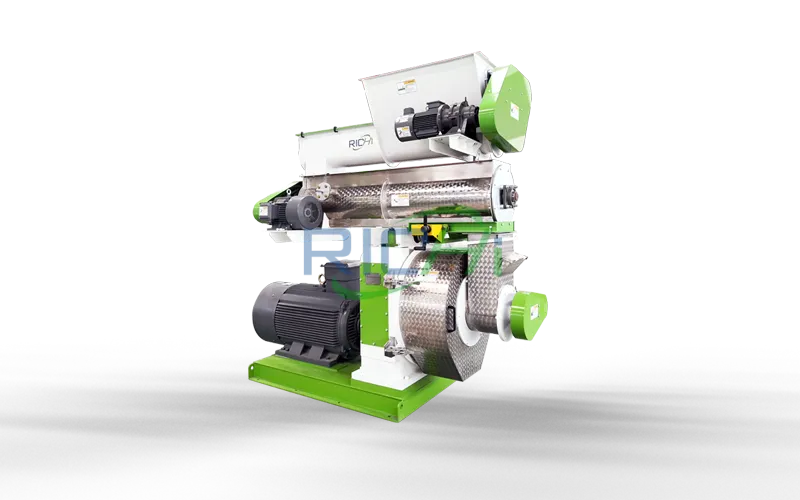
- We have specially designed an animal feed pellet making machine to accommodate high-fiber raw materials.
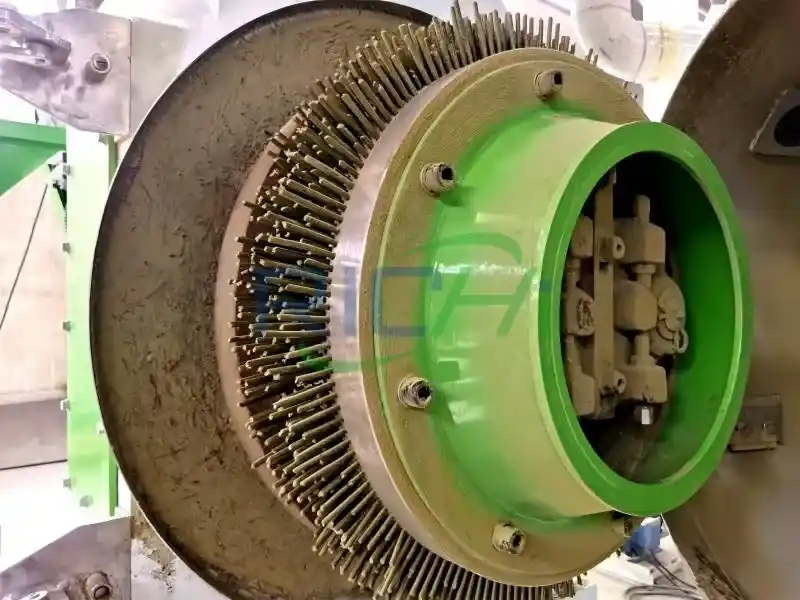
- The pellet mill comes with a high compression ratio ring die. It is ideal for high-fiber materials.
- The ring die and key load-bearing parts use wear-resistant alloy steel. Consequently, this design significantly extends their service life.
4
Safe Cooling and Storage:
- We use a counter-flow pellet cooler. In this way, we control the finished pellet temperature within ambient temperature +5°C.
- Final moisture content is kept at ≤12%. Thus, storage risks are greatly reduced.
- The system includes anti-condensation and anti-mold design.
5
Full-Process Automation Control:
- The entire animal feed production line supports one-button start and stop. Therefore, manual operation is reduced and labor intensity is lower.
- Provide under-voltage and over-voltage protection to improve operational safety.
- Automation covers all production stages, including raw material intake, batching, grinding, pelleting, cooling, and packing.
- Provide visual monitoring and fault alarm functions.
6
Modular and Scalable Design:
- Each processing section adopts a modular design.
- we reserve capacity expansion interfaces. This allows our clients to quickly increase production capacity in the future by replacing or adding pellet mills.
7
Product Diversification Capability:
- This line supports fast feed formula switching. It can easily adapt to different raw material combinations.
- The pellet mill can produce pellets with different diameters, lengths, and densities. This meets diverse market requirements.
- According to the nutritional needs of ruminants at different growth stages—such as lambs, calves, fattening cattle, and dairy cows—customers can flexibly adjust formulas and produce specialized feed series.
RICHI provides customized ruminant feed production lines, and also designs poultry feed production lines, livestock feed production lines, and fish feed production lines based on customers’ raw materials and product needs. Our feed production solutions are highly flexible. They can produce pelleted feed, mash feed, and premix on the same line. As a result, one production line can serve multiple purposes, helping customers improve equipment utilization and reduce overall investment costs.
Application of Ruminant Feed Production Line in Indonesia
Indonesia’s ruminant feed production line efficiently utilizes common grains such as corn and wheat. It can also process soybean meal, forage grass, and other raw materials. This allows the production of feed tailored to cattle and sheep at different growth stages. From calves and fattening lambs to lactating cows and goats, a single production line can meet diverse nutritional needs. As a result, it helps clients easily achieve diversified feed production.
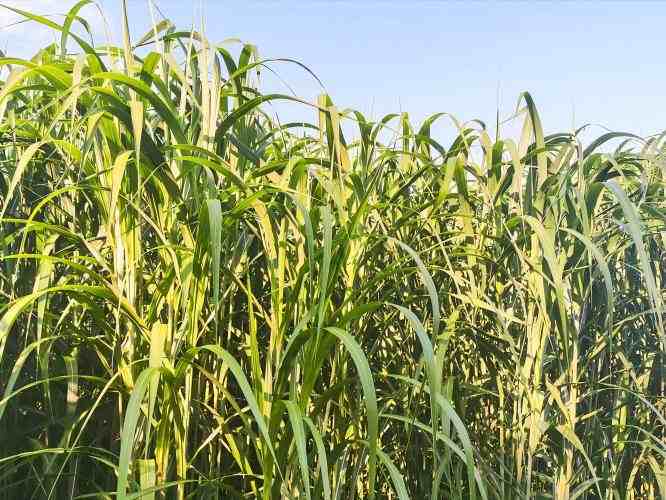
elephant grass
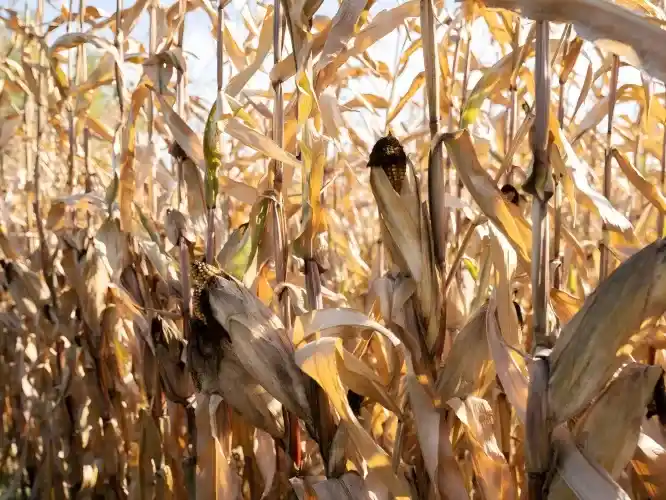
corn stalk
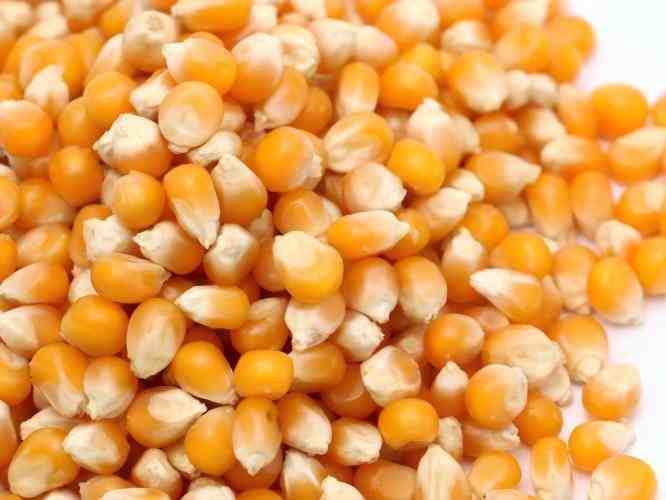
corn
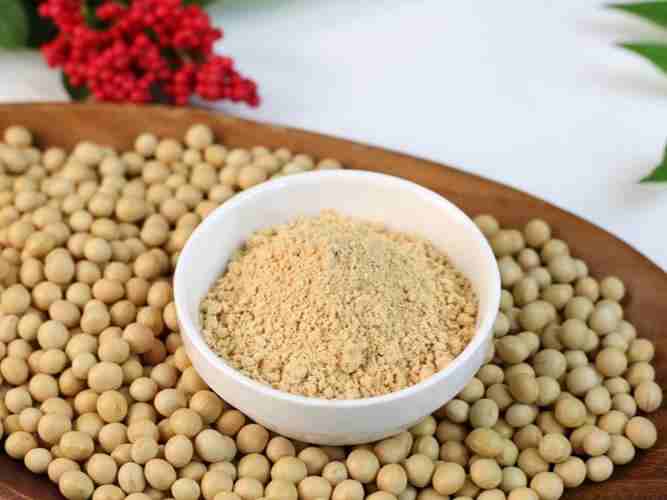
soybean meal
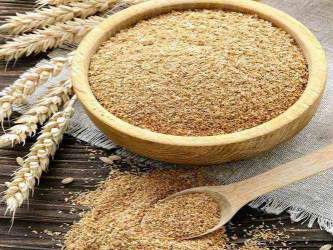
wheat bran
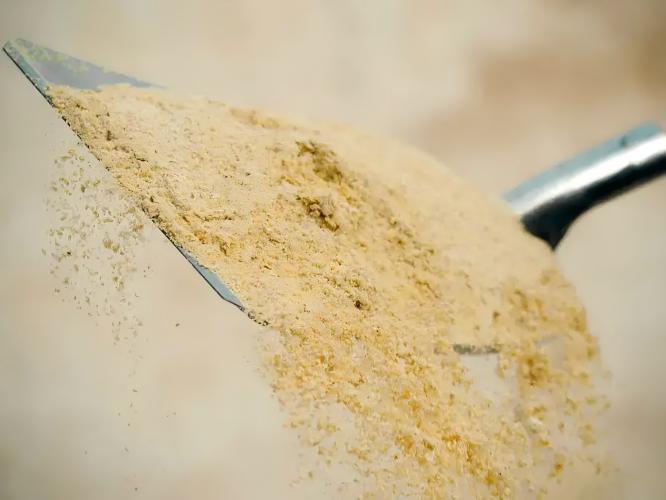
animals feed premix
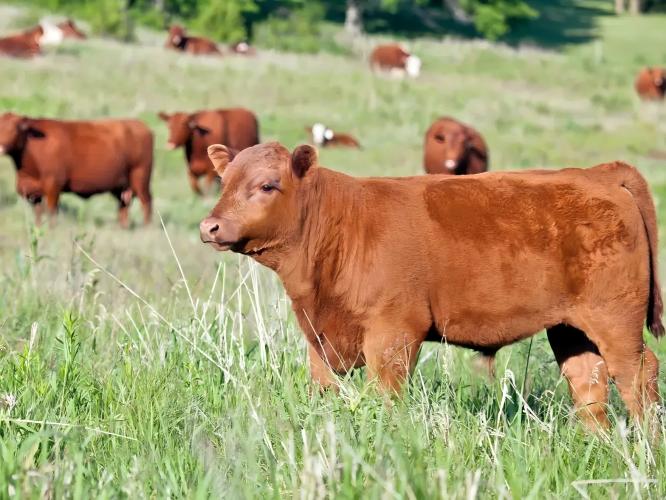
calf
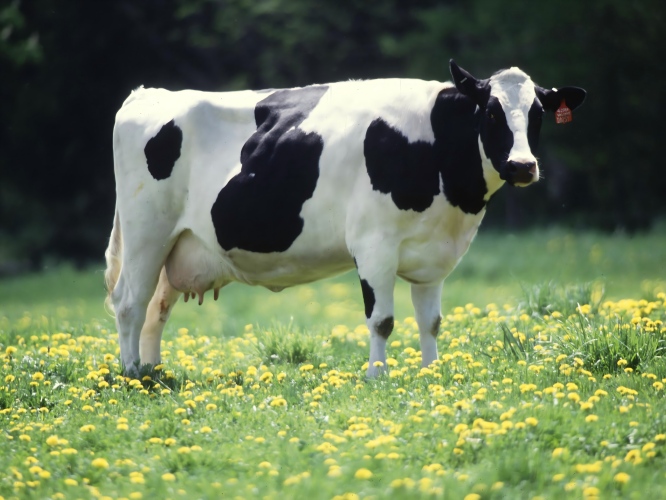
cow
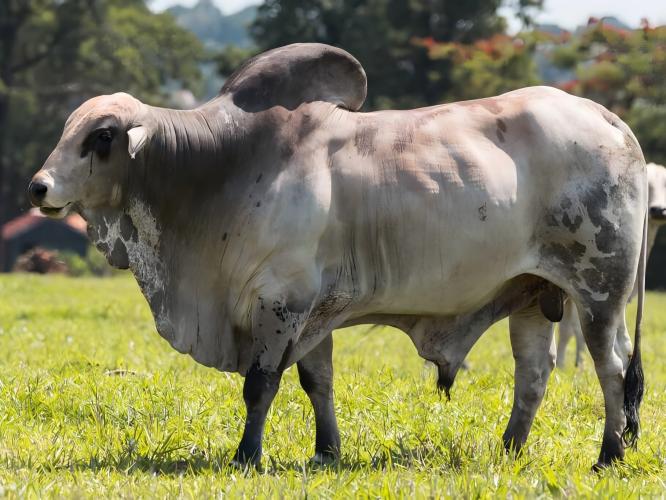
beef cattle
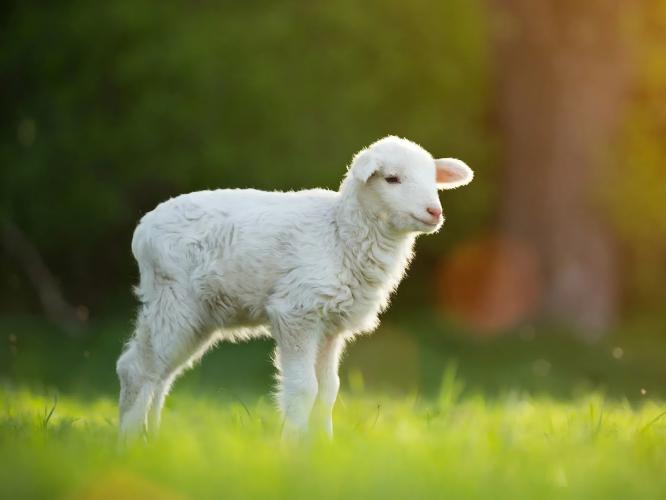
lamb
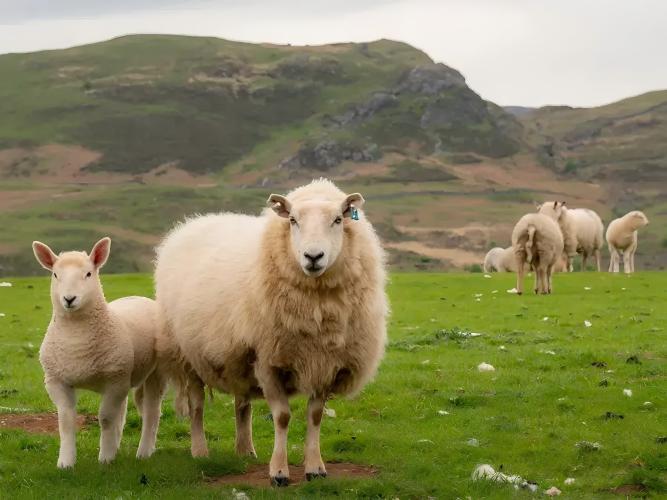
mutton sheep
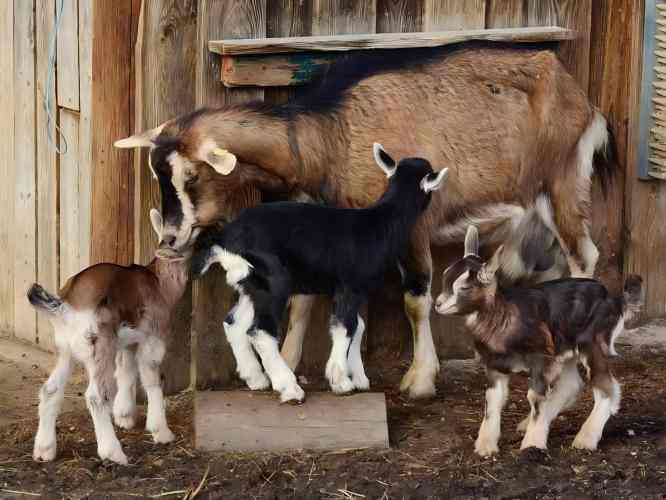
milk goat
Optimized Work Process for Ruminant Feed Production Line in Indonesia
In Indonesia, building an efficient and reliable ruminant feed production line depends on using local raw materials in the right way. Therefore, RICHI has designed this feed processing line specifically for Indonesian clients. With a simplified workflow and localized adaptation technologies, this production line enables a smooth transformation from raw materials to pellets. It also ensures both nutrient retention and high production efficiency.
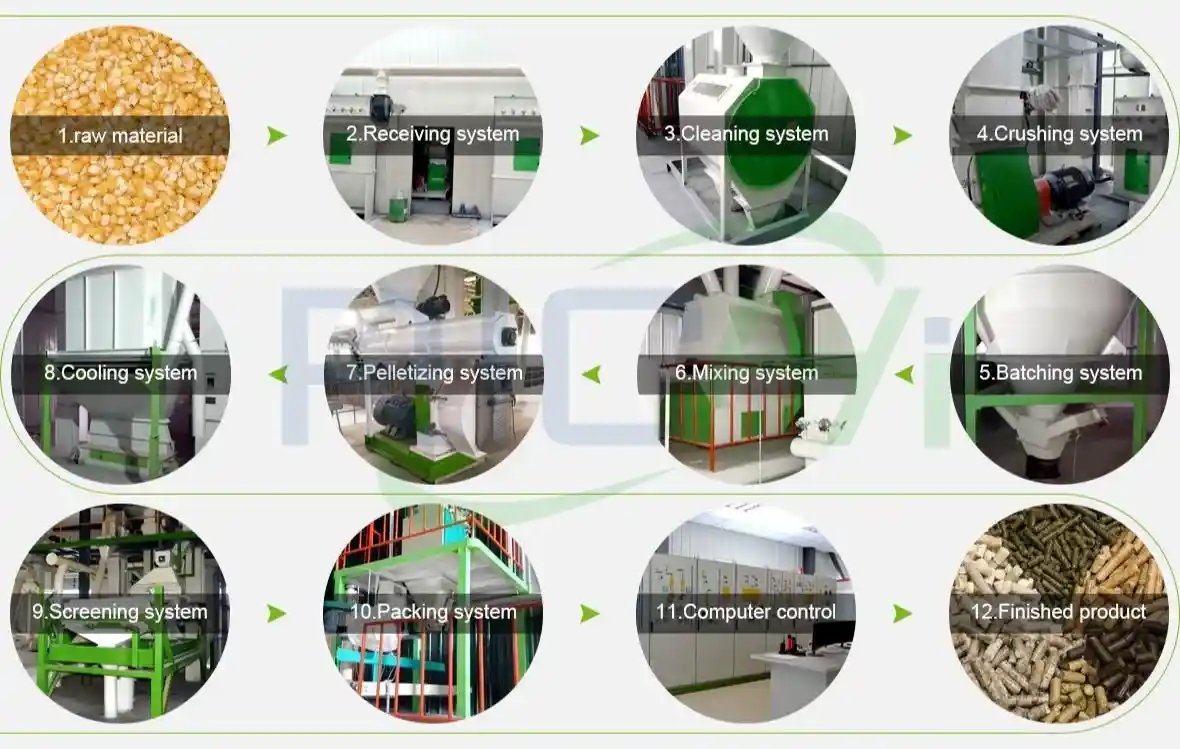
01
Precleaning
The system uses metal removers and cleaning screens to eliminate impurities such as stones and metal objects from the raw materials. This step effectively protects downstream equipment from potential damage.
02
Grinding
The grinder reduces the raw materials to an appropriate particle size. By doing so, it ensures the different ingredients can distribute thoroughly and uniformly during the subsequent mixing process.
03
Batching & Mixing
Raw materials are accurately weighed according to the formula, nutritional additives are added as required, and all materials are conveyed to a dual-ribbon mixer for uniform mixing.
04
Pelletizing
This process transports the uniformly mixed materials to the pellet mill. There, the die and rollers work together to compress the ingredients into pellets with the required shape and size.
05
Cooling & Screening
After pelleting, the process cools the newly formed high-temperature pellets down to ambient temperature. Meanwhile, a screening machine removes out-of-spec pellets and fines to ensure consistent product quality.
06
Packing
Finally, a fully automatic packing scale accurately weighs and packages the finished pellets, completing the production process.
RICHI provides customized animal feed production lines based on each customer’s specific needs. By fully considering local raw materials, feed formulas, production capacity, plant layout, and budget, RICHI designs a tailored work process and equipment configuration for every project. This customized approach helps customers improve raw material utilization, ensure stable feed quality, and achieve efficient and cost-effective production.
Investment Cost of Indonesia’s Ruminant Feed Production Line
Indonesia’s livestock industry is experiencing robust growth, and the utilization of agricultural resources is advancing rapidly. Against this dual backdrop, investing in a high-efficiency ruminant feed production line represents a strategic decision. For example, the investment and operating costs of the 3-5 T/H feed line for an Indonesian client mainly cover the following aspects.
- Production Line Cost:
- The entire turnkey project cost $350,000.
- Energy Consumption
- In actual operation, the daily power consumption is approximately 2,472 kWh (309 kW × 8 h) , and the electricity consumption per ton is approximately 61.8 kWh/t. (The daily output is calculated as 5 t/h × 8 h = 40 tons.)
- Required Manpower
- This production line uses semi-automatic control and requires four operators.
- Land Requirement
- This line occupies an area of 10m*5m*4m (Length * Width * Height).
Full-Service Process of Ruminant Feed Production Line in Indonesia
RICHI Machinery deeply analyzes clients’ requirements and localization priorities in Indonesia. Based on this, we provide end-to-end turnkey services for this ruminant feed production line project. Our core offering is a fully customized solution. It goes far beyond basic equipment supply. Furthermore, every stage—from targeted demand analysis to lifelong after-sales support—is designed to help you gain lasting competitive advantages.


Needs Assessment
We start with detailed communication to fully understand your raw materials, target capacity, and feed product requirements. Our team is always ready to support you. Feel Free to contact us.


Customized Engineering
We develop customized process flows and plant layouts, enabling efficient production of both concentrate and roughage feed.


Specialized Manufacturing
We build purpose-designed animal feed processing equipment adapted to Indonesia’s tropical climate. This includes wear-resistant materials, modular system design…


On-Site Implementation
Our experienced engineers handle installation and commissioning at your site. We ensure the line runs smoothly and reaches its designed production capacity.


Operator Training
We provide hands-on training covering operation, maintenance, formula adjustment, and emergency handling.


Sustained Support
We offer continuous technical support, maintenance guidance, and spare parts supply to ensure long-term performance. (View our YouTube)