
Grass Pellet Production Line in USA
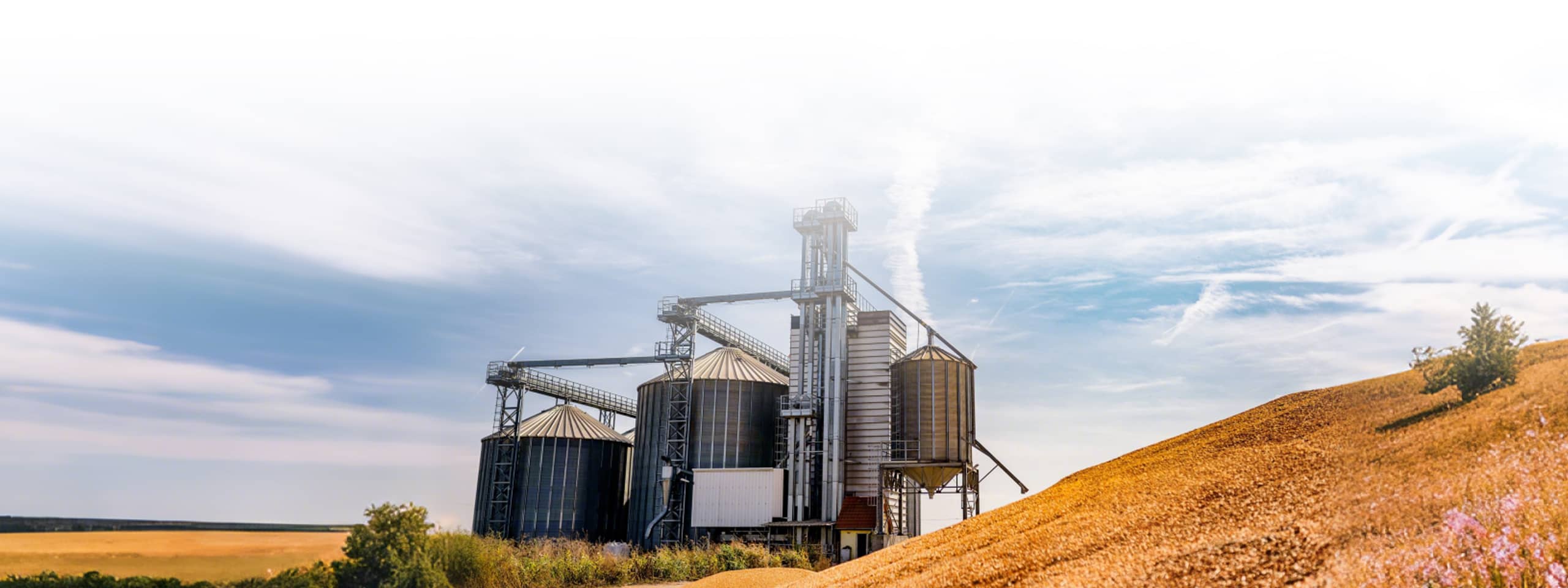
Overview of Grass Pellet Production Line in USA
— Richi Machinery —
10-12 T/H
Capacity(tons/hour)
4-8 mm
Pellet Size(mm)
40 Days
Installation Period(days)
$560,000
Guide Price(USD)
Brief Introduction
This American client is a large-scale cattle rancher who wants to achieve self-sufficiency in cattle feed by building his own feed mill, while also selling feed products to generate additional profits.
This grass pellet production line fully utilizes the abundant pasture resources in the United States, using modern processing technology to convert pasture into high-density pelleted feed to meet the demand for high-quality roughage in large-scale livestock farming.
- Capacity: 10-12 T/H
- Pellet Diameter: 4-8 mm grass pellet for cattle
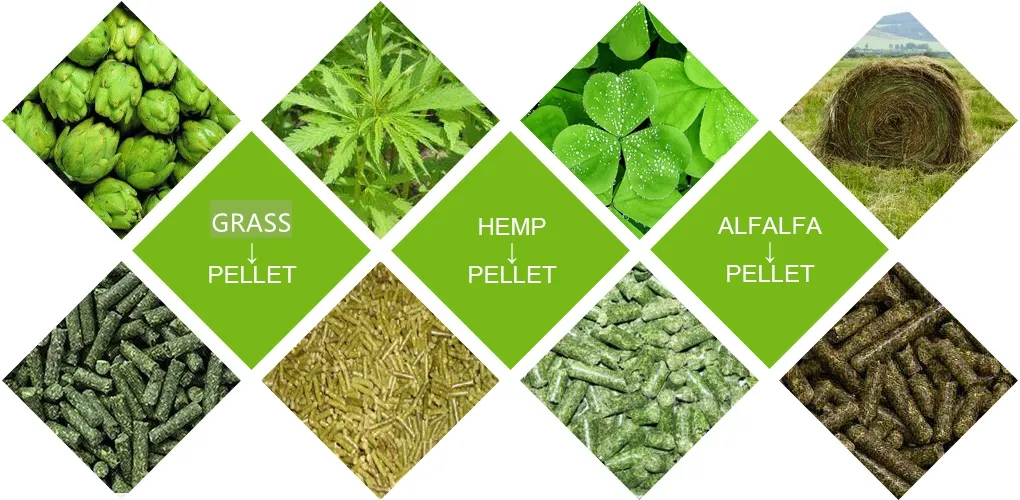
- Raw Materials: alfalfa, timothy grass, ryegrass, tall fescue, hemp, etc.
- Installation Period: 40 Days
- Workshop Size: 16m * m * 7,5m (Length * Width * Height)
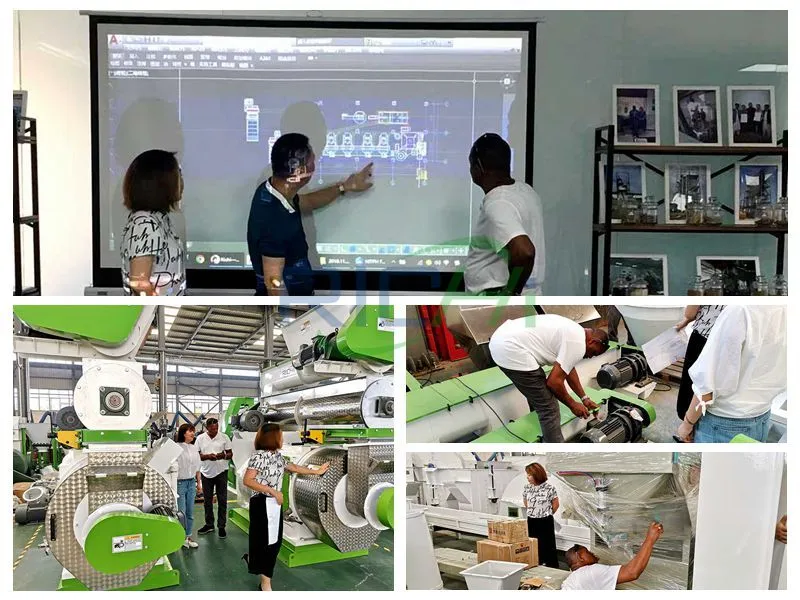
Market Opportunity Analysis for Grass Pellet Production Line in USA
For this U.S. customer with a large-scale cattle ranch, building an in-house 10-12 T/H grass pellet production line is a strategically visionary decision. It not only achieves a closed-loop internal supply chain and establishes long-term core cost advantages but also expands the external feed market to generate additional revenue.
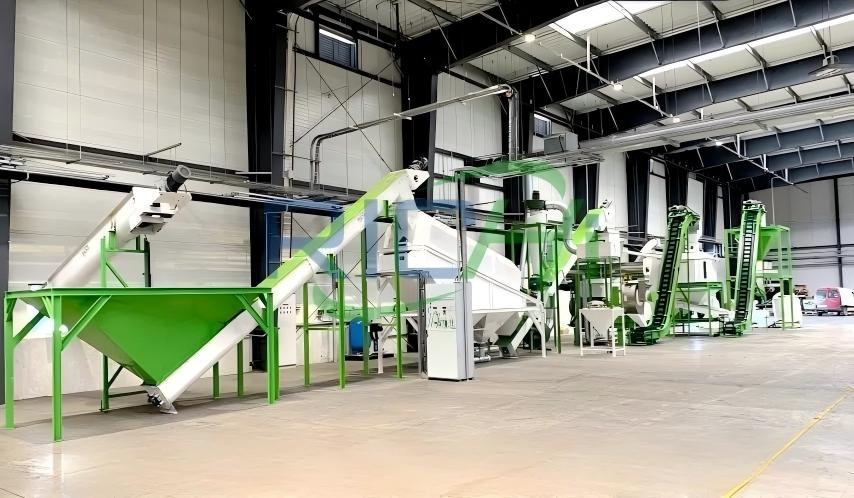
- Stable Raw Material Supply
- The customer owns extensive farmland for cultivating forages (such as alfalfa, timothy grass, ryegrass, etc.). Additionally, there are numerous forage producers in the surrounding area, resulting in low costs for external raw material procurement.
- Strong Market Demand
- The United States is one of the world’s leading producers of beef and dairy products, with a massive inventory of beef cattle, dairy cows, and sheep. There is a continuous and rigid demand for high-quality roughage.
- Driven by Internal Supply Chain Optimization
- By constructing an in-house grass pellet production line, the customer can ensure stable feed supply for their own cattle ranch, guaranteeing safety and controlling costs.
- Customized production can be realized according to the growth stages of the cattle herd, achieving precise nutrition, improving feed conversion rate, and enhancing breeding efficiency.
Design Highlights of Grass Pellet Production Line in USA
When designing this U.S. grass pellet production line solution, our engineers have always centered on three core objectives: reliability, cost-effectiveness, and in-depth integration with breeding operations — perfectly aligning with the core positioning of this U.S. customer as a large-scale cattle rancher who builds and uses the line in-house.
Key Equipment of Grass Pellet Production Line in USA
To ensure this grass pellet production line in USA achieves stable, efficient, and customized production goals, we conducted rigorous equipment selection: each core piece of equipment is a strategic choice, specifically designed to handle high-fiber raw materials, meet precise nutritional formulations, and operate continuously year-round.
| Main Machine | Model | Application |
|---|---|---|
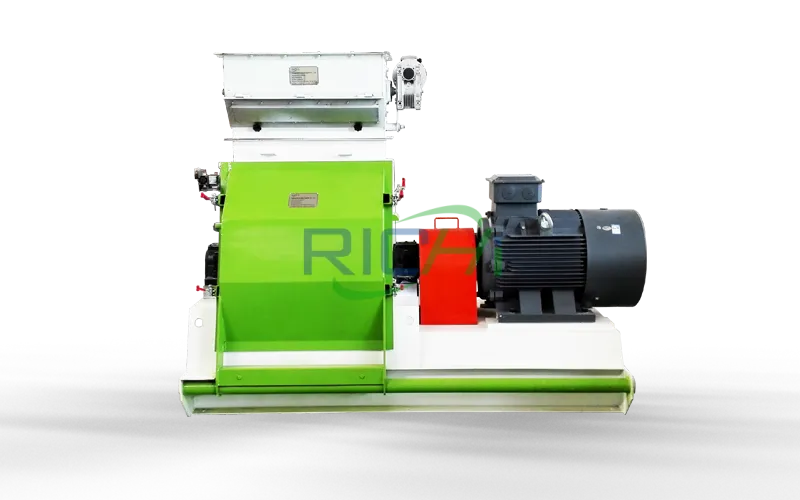
| Grass Hammer Mill | SFSP-66*80 | Grinding the raw materials into grass powder |
| High-Speed Molasses Mixer | 1000 kg/batch | Evenly mixing the raw materials |
| Grass Pellet Mill | SZLH-508 (160kW) | Compressing the grass powder into cattle feed pellets |
| Pellet Cooling Machine | SKLN20*20 | Cooling high-temperature pellets to room temperature |
| Pellet Crumbler Machine | SSLG15*150 | Reducing large particles to fine granules |
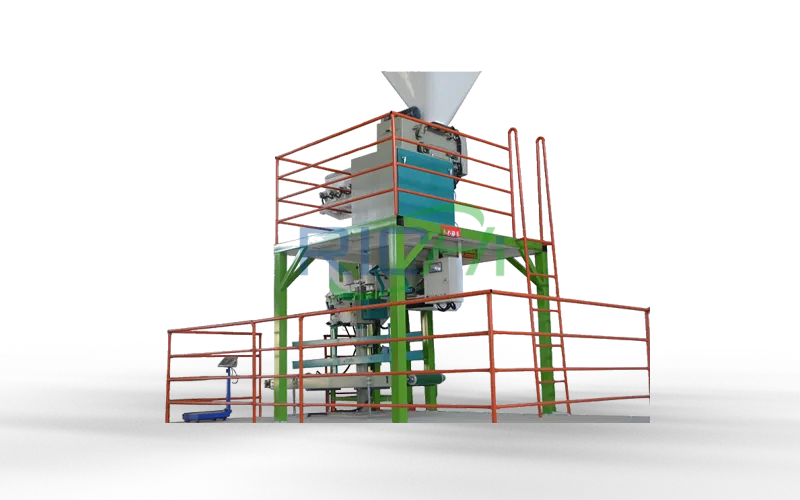
| Automatic Packing Machine | DCS-B50 | Weighing and packing the finished pellets |
Grass Hammer Mill
Molasses Mixer
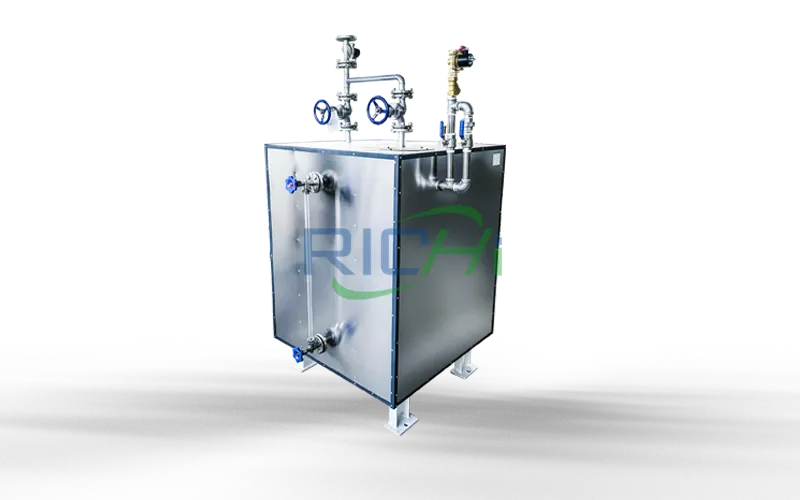
Grass Pellet Mill
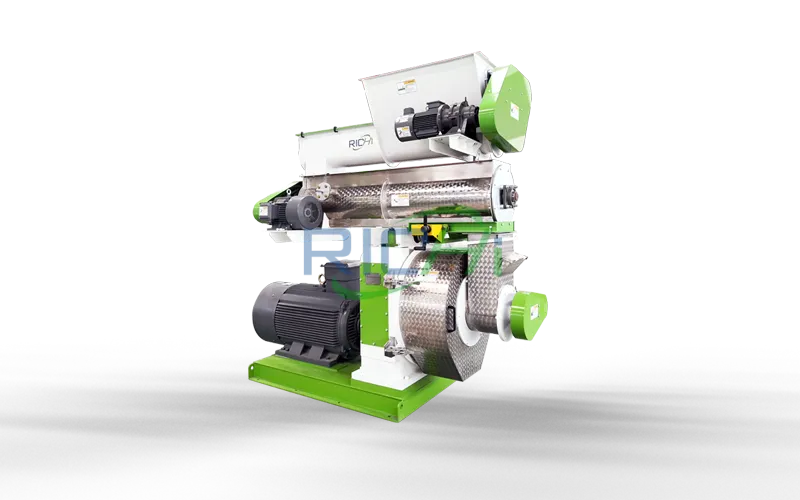
Grass Pellet cooler
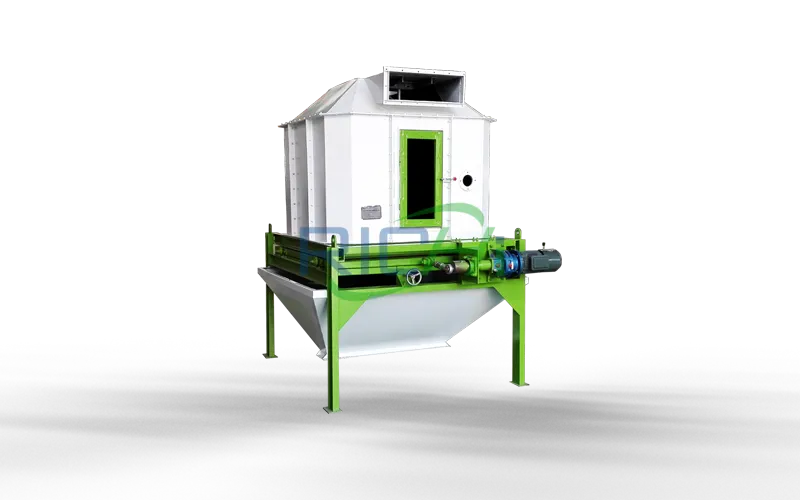
Crumbler Machine
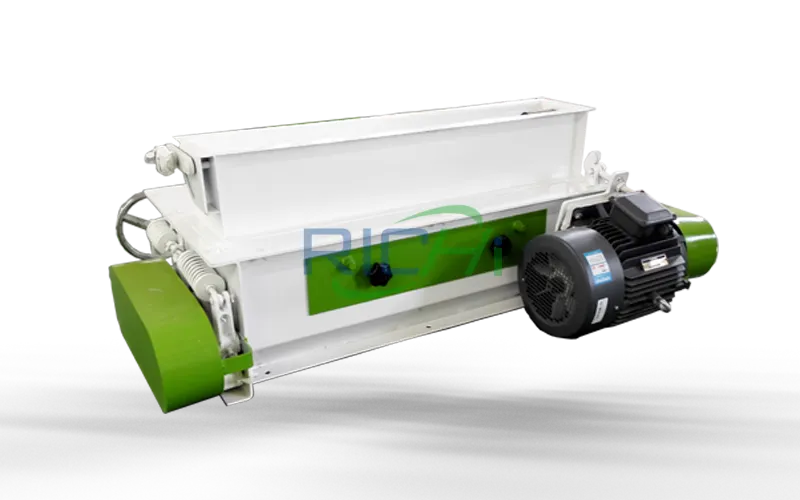
Packing Machine

Process Flow of Grass Pellet Production Line in USA
The design logic of this grass pellet production line in USA is to transform diverse raw materials into homogeneous, stable, and customizable high-quality grass pellets, enabling automated packaging or warehousing, and ultimately achieving seamless integration with feeding systems.
1
Raw Material Pre-treatment Section:
The Romanian customer’s primary raw material is beech sawdust, which requires no secondary crushing. Only a rotary pre-cleaner is used to remove impurities (such as stones, iron filings, and large wood blocks).
2
Grinding Section:
A wood chip crusher with both chipping and crushing functions is utilized to grind raw materials (e.g., wood chips, forest waste branches) into sawdust of approximately 3mm, facilitating subsequent granulation.
3
Mixing Section:
The crushed woody raw materials are fed into a rotary drum dryer for drying, controlling the moisture content to around 15%. This ensures optimal granulation results and improves pellet formation rate.
4
Pelletizing Section:
The dried sawdust is conveyed into a storage silo for thorough mixing and homogenization. This process eliminates inconsistencies in particle size distribution and moisture content of the raw material, ensuring uniform physical properties (e.g., density, fluidity) before granulation.
5
Cooling Section:
The dried raw materials are put into the feed hopper, which is equipped with an arch-breaking device to prevent material caking through continuous stirring. The granulator is fitted with a forced feeder that pushes materials into the granulation chamber. Inside the chamber, the wood chip raw materials are extruded and shaped into dense pellets.
6
Crumbling Section:
The dried raw materials are put into the feed hopper, which is equipped with an arch-breaking device to prevent material caking through continuous stirring. The granulator is fitted with a forced feeder that pushes materials into the granulation chamber. Inside the chamber, the wood chip raw materials are extruded and shaped into dense pellets.
7
Finished Product Packaging Section:
Freshly formed wood pellets are conveyed to the cooling system via a belt conveyor. The cooler rapidly reduces the pellet temperature to room temperature, avoiding adhesion or mold growth.
USA Grass Pellet Production Line Project Execution Process
From in-depth demand analysis to seamless on-site commissioning and successful project handover, RICHI Machinery delivered a tailored 10-12 T/H grass pellet production line for the U.S. large-scale cattle rancher through a professional, efficient, and customer-centric full-cycle execution process.
1
Project preparation
After gaining an in-depth understanding of the customer’s requirements, including raw materials, production needs, and capacity scale, the engineers conducted equipment selection and drew up process flow diagrams.
Meanwhile, they assisted the customer in completing site preparation, administrative approvals, and other related work.

2
Equipment Production
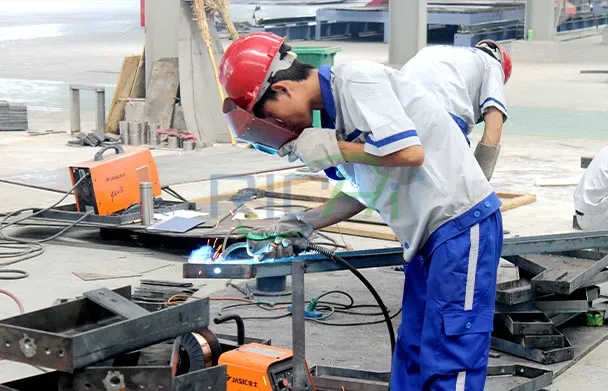
All core equipment of the entire line was manufactured at RICHI Machinery’s factory. Every piece of equipment underwent strict factory testing to ensure it met the qualified standards before shipment.
3
Equipment Installation & Commissioning
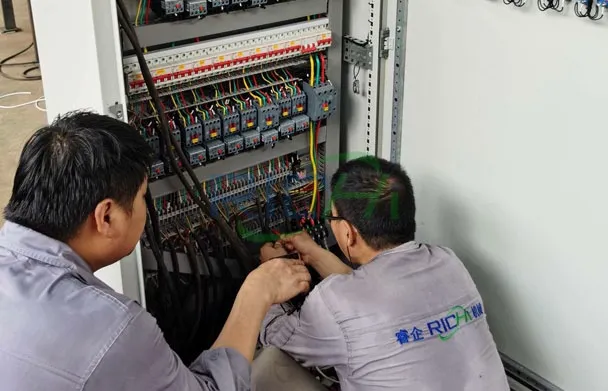
We dispatched two experienced engineers to the United States, who collaborated with the local construction team to complete the installation of the entire production line.
After the installation was finished, the engineers carried out subsystem commissioning and online commissioning for the production line.
4
Personnel Training
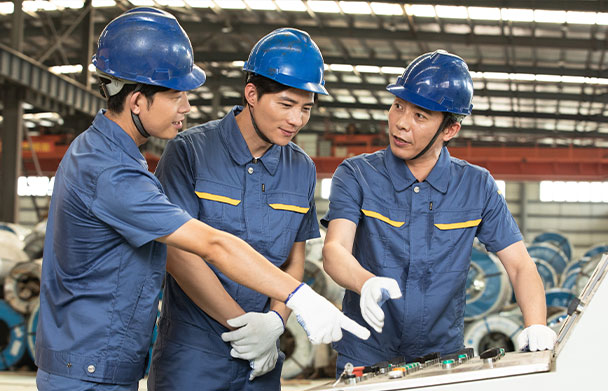
Our engineers provided in-depth training for the customer’s operation team. The training content included the mechanical principles, disassembly and assembly procedures, daily maintenance, and fault diagnosis of core equipment (such as pellet mills and crushers).
5
Production Line Trial Operation
Under the supervision of our engineers, the customer’s team independently operated the production line for continuous production, verifying whether the line’s capacity, power consumption, and finished product quality met the customer’s requirements.
Finally, we formally handed over all drawings, manuals, and software backups to the customer, successfully delivering the project.
After-Sales Service Support
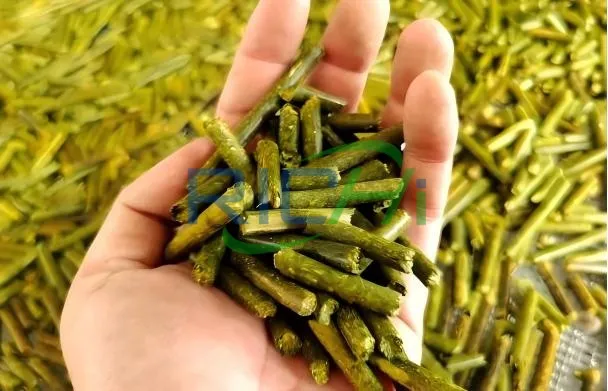
To ensure the long-term stable operation of the grass pellet production line in USA, RICHI Machinery provide a complete after-sales support system throughout the entire project lifecycle, including technical support, warranty services, and continuous upgrade services.
Technical Support Response
Lifetime technical support is provided with 24/7 online response to ensure fast troubleshooting and resolution.
Warranty Commitment
Core wear parts (such as pellet mill ring dies and rollers) are offered at long-term preferential prices with rapid spare parts supply, and all other equipment comes with a 1-year free warranty.
Upgrade Services
Production line expansion interfaces are documented in detail, supporting capacity upgrades of 15%-30% to protect your initial investment.


1
Can the production line support the mixed processing of multiple grass-based raw materials?
Yes. The grass pellet production line in USA is equipped with a multi-functional crushing system and a high-efficiency mixing system. It can process various grass materials such as alfalfa, ryegrass, and tall fescue, and supports uniform mixing of liquid additives like molasses to meet the production needs of different nutritional formulas.
2
Can the grass pellet production line in USA quickly switch between different feed formulas?
Yes. The production line is designed with multiple independent finished product bins and features an intelligent control system that supports one-touch formula switching. This allows for quick adjustments based on different growth stages of cattle
3
How long is the installation and commissioning period for this production line?
The total installation period from equipment arrival to commissioning completion is 40 days. RICHI will dispatch engineers to the site to guide installation and assist with trial production and operator training after commissioning.
4
How does the grass pellet mill ensure long-term stable operation and ease of maintenance?
The pellet mill uses high-wear-resistant alloy steel ring dies and is designed with a convenient ring die replacement solution. Additionally, the production line is equipped with an automatic lubrication system, enabling maintenance without downtime and ensuring continuous and stable operation.
5
Does the grass pellet production line project in USA include personnel training and ongoing technical support?
Yes. The project delivery phase includes comprehensive on-site operation and maintenance training, covering the principles of core equipment, daily maintenance, and troubleshooting. RICHI also provides remote technical support to ensure the long-term efficient operation of the production line. (View our YouTube)