
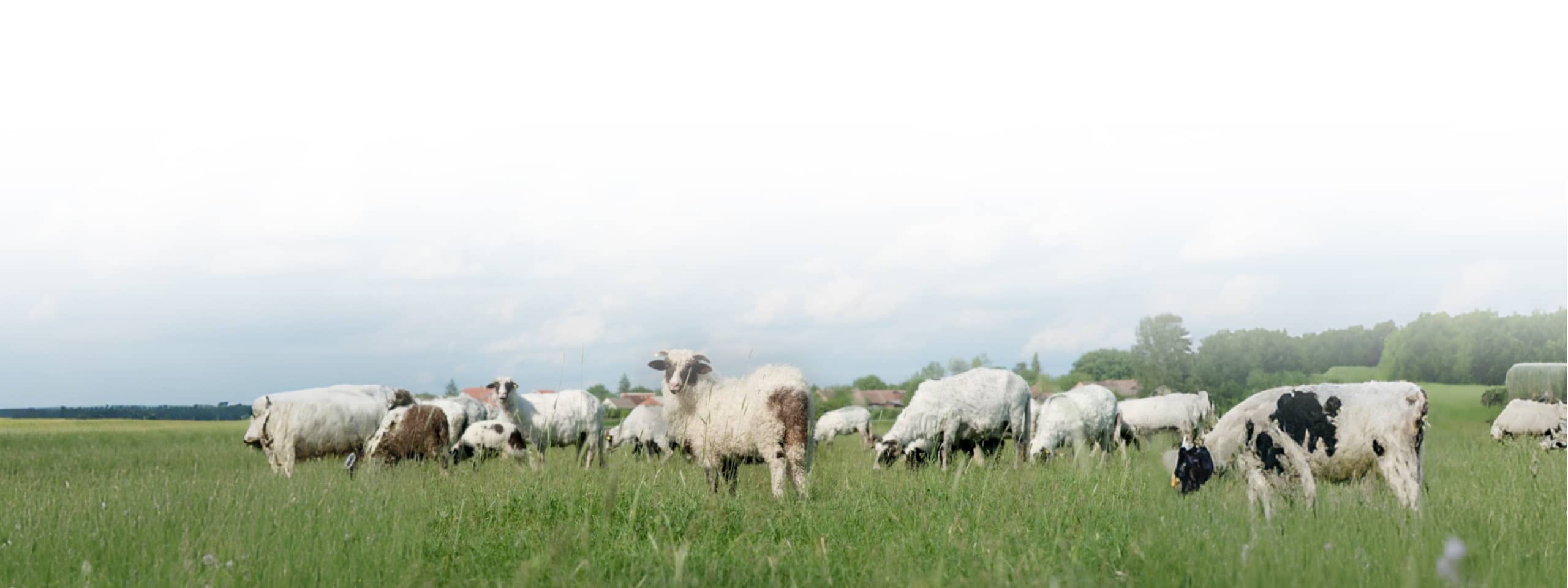
Goat Feed Pellet Making Machine
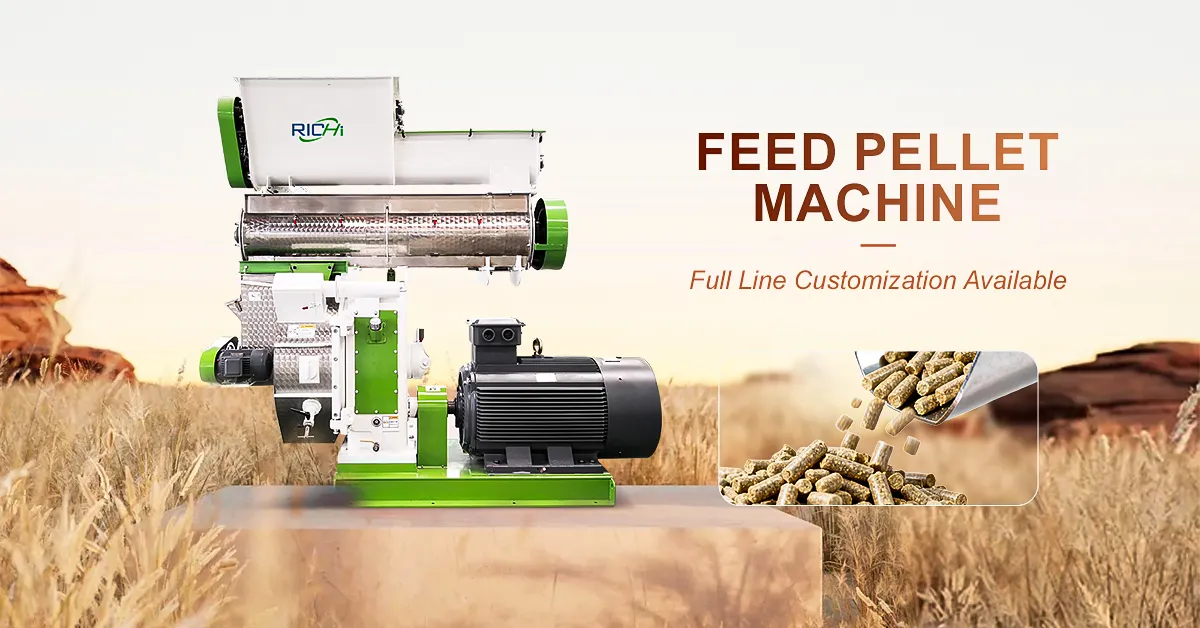
RICHI goat feed pellet making machine, a specialized machine designed to produce high-quality, nutrient-dense pellets that support healthy growth, wool production, and overall flock performance.
application
RICHI goat feed pellet making machine is specifically optimized for high-fiber forage and concentrate feed formulations, capable of efficiently processing various types of coarse fiber raw materials.
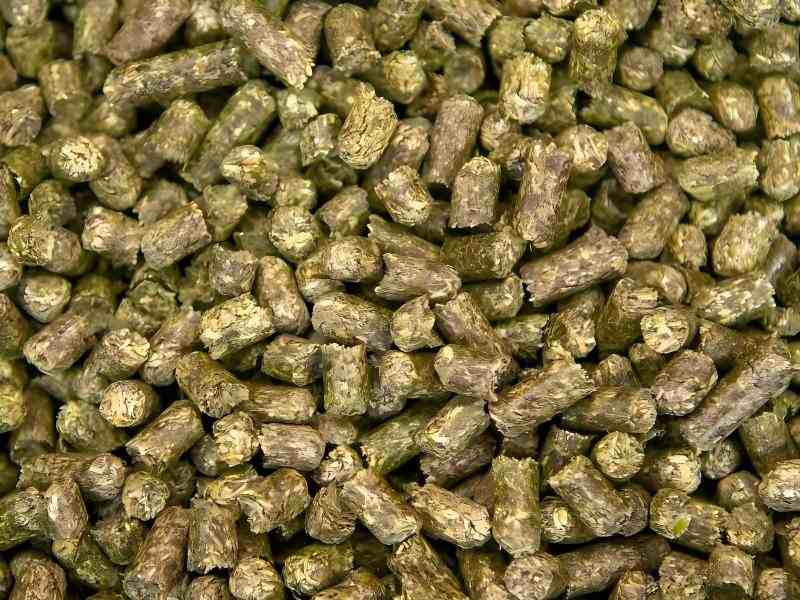
Timothy Pellets
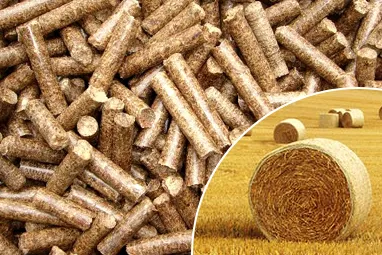
Hay Pellets

Alfalfa Pellets
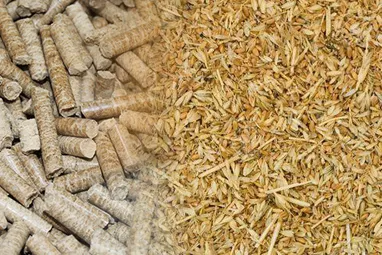
Grains Pellets
RICHI Goat Feed Pellet Making Machine: Industry-Leading Core Components for Precision Pelletizing
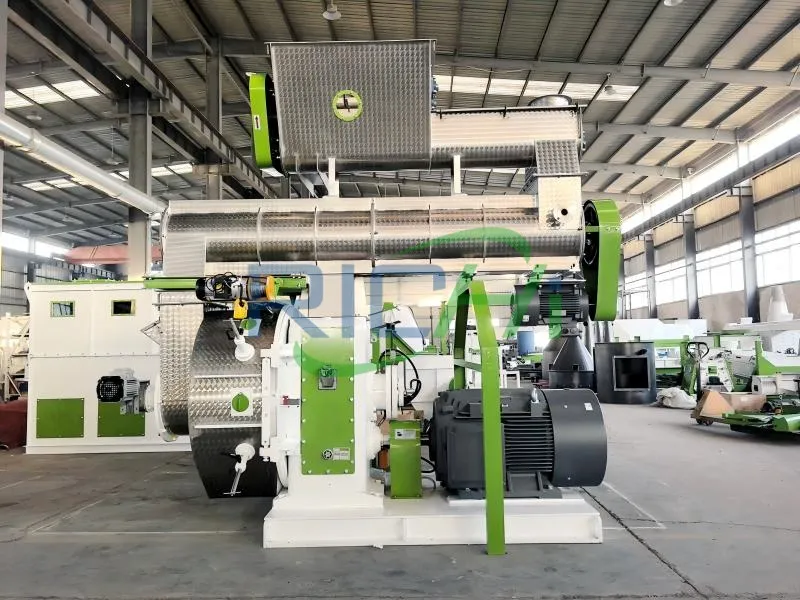
RICHI goat feed pellet making machine is built with precision-machined core components, engineered to work in seamless synergy. This design delivers rock-solid pelletizing stability, consistently uniform feed texture, and industry-leading operational longevity—ideal for meeting the rigorous demands of sheep and goat feed production.
Our optimized component design unlocks triple wins: higher output capacity, optimized energy consumption, and premium pellet quality that supports healthy sheep growth.
Plus, RICHI goat feed pellet mill is fully certified by CE, SGS and ISO—a testament to its compliance with global feed processing quality and safety benchmarks. Trust RICHI for equipment that meets world-class standards.
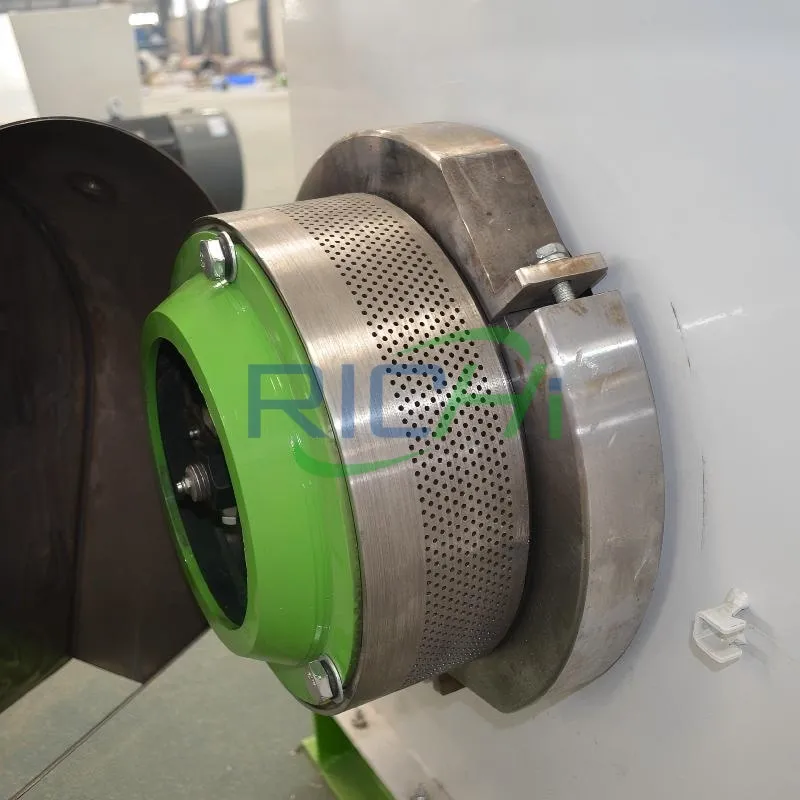
01
Ring Die
High-quality alloy steel combined with advanced heat treatment processes like carburizing and quenching significantly enhances wear resistance and fatigue strength, extending service life.
Available in diameters from φ320 to φ762, it can produce sheep feed pellets of various sizes.
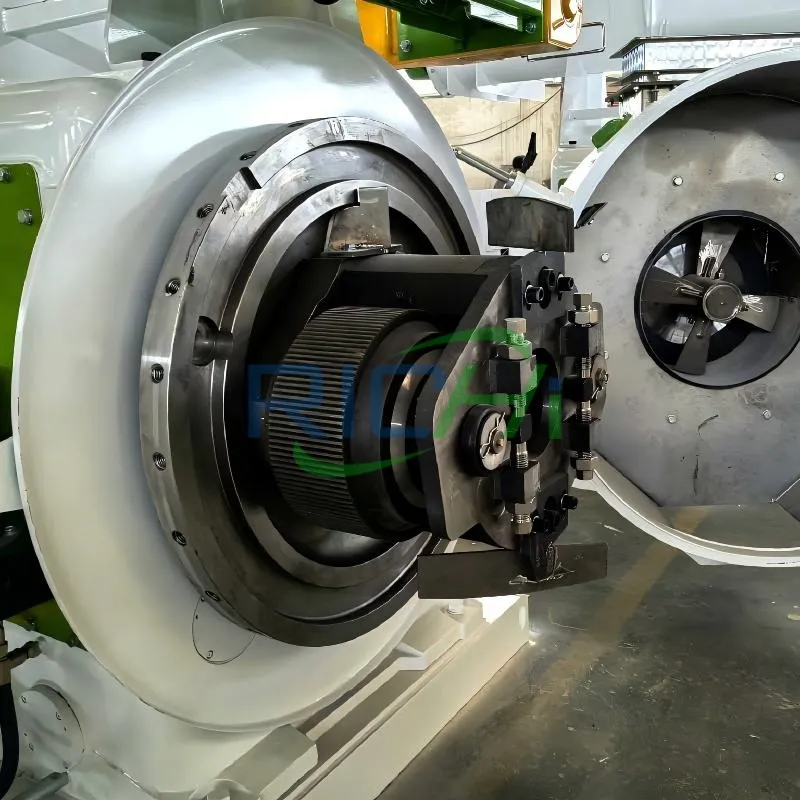
02
Press Roller
Made from high-hardness, wear-resistant materials and heat-treated for durability. Its wear rate is matched to the ring die.
Features a modular design, and the gap between the ring die and press roller can be precisely adjusted.
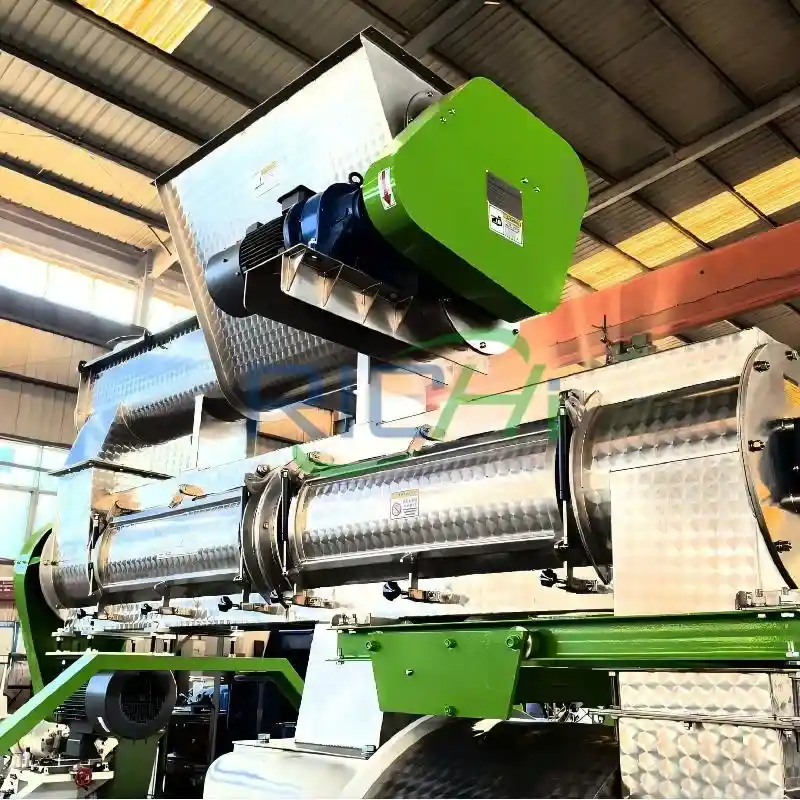
03
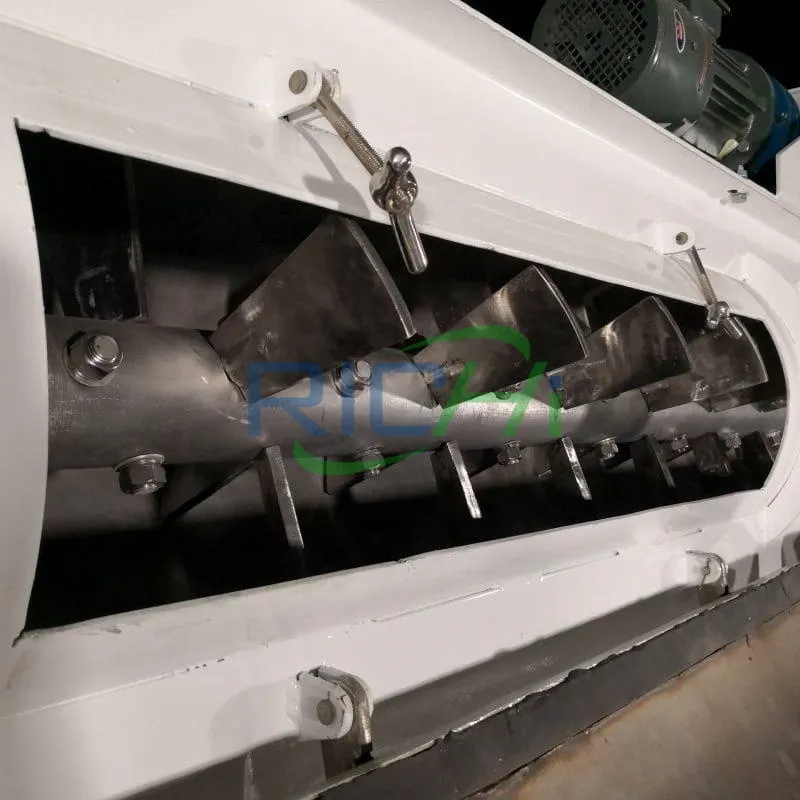
Feed Auger
The feed hopper is equipped with an anti-bridging device. Two counter-rotating paddles continuously push raw materials into the conditioner.
A variable frequency drive allows precise and smooth adjustment of the feed rate based on the main motor load, preventing blockages or idling.
04
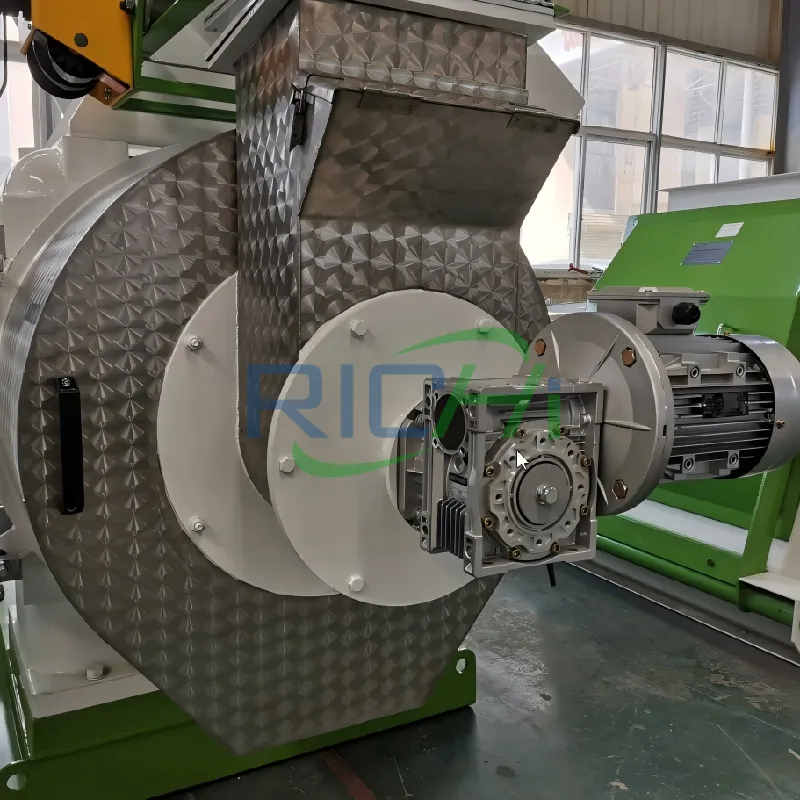
Conditioner
Its unique paddle structure and extended barrel design effectively increase material conditioning time. This improves pellet gelatinization, digestibility, binding, and water resistance.
Furthermore, steam and powder are mixed evenly and thoroughly, with no dead zones.
05
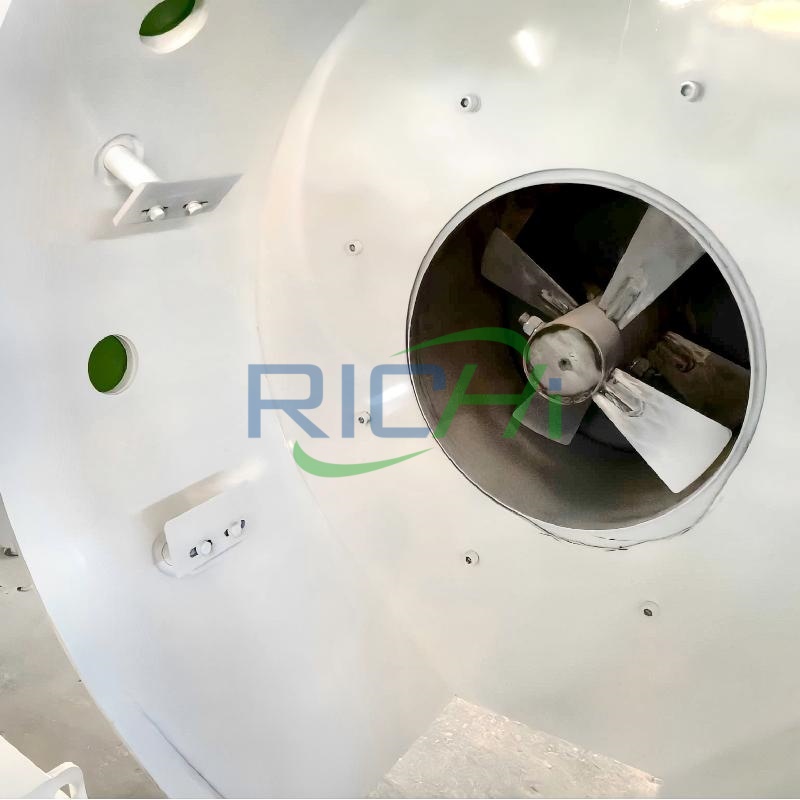
Gear Transmission
A worm gear reducer is selected as the transmission device. It offers 15% higher efficiency compared to belt drives.
High torque output ensures thorough compaction of high-fiber raw materials, resulting in pellets with uniform density and low breakage.
06
Cutting Knife Assembly
The knife allows easy, quick adjustment and features a reliable locking mechanism, ensuring consistent pellet length.
Its modular design enables fast disassembly, significantly reducing maintenance time and costs.
How the Goat Feed Pellet Making Machine Works
The core function of a goat feed pellet making machine is to convert well-mixed powdered grass feed into high-density, nutritionally gelatinized, and easy-to-consume pellet feed through the processes of conditioning, pelleting, and cutting.
Here’s how the goat feed pellet machine works.
Firstly, feeding. Uniformly mixed powdered feed is fed into the hopper. Equipped with a rotating stirrer arm, the hopper ensures continuous and even material discharge. The feeding auger rotates constantly to convey the powder into the conditioner.
Secondly, conditioning. Inside the conditioner, the powder is thoroughly blended with saturated dry steam. Under high-temperature conditions, starch gelatinization and protein denaturation are achieved. Meanwhile, effective sterilization is performed to enhance feed safety and digestibility.
Thirdly, pelleting. The conditioned material is evenly distributed onto the inner surface of the rotating ring die via a chute. Driven by the powerful extrusion force between the ring die and press rollers, the material is forced through the die holes of the ring die, forming dense cylindrical strands.
Finally, cutting. The continuous cylindrical feed strands extruded from the outer surface of the ring die are cut off by a rotating cutter fixed on the goat pellet mill cover. The distance between the cutter and the outer surface of the ring die can be adjusted to produce sheep feed pellets of the desired length.

The resulting pellets are characterized by high temperature and high moisture content, making them unsuitable for direct storage. They must be immediately transferred to the cooling process to rapidly reduce the pellet temperature and moisture content to near room temperature and the safe storage moisture level (≤12%).
After cooling, the pellets pass through a vibrating screen, which separates qualified pellet products and recovers fine powder. Finally, the qualified pellets are weighed and packaged.
Technical Specifications of RICHI Goat Feed Pellet Making Machine
| Model | SZLH-250 | SZLH-320 | SZLH-350 | SZLH-420 | SZLH-508 | SZLH-558 | SZLH-678 | SZLH-768 |
| Capacity(T/H) | 1.0-1.5 | 3-4 | 5-6 | 10-12 | 15-16 | 20-22 | 30-33 | 38-40 |
| Main Motor Power(kW) | 22 | 37 | 55 | 110 | 160 | 185 | 250 | 315 |
| Feeder Power(kW) | 1.1 | 1.5 | 1.5 | 1.5 | 1.5 | 1.5 | 1.5 | 2.2 |
| Conditioner Power(kW) | 1.5 | 4 | 4 | 7.5 | 7.5 | 11 | 11 | 11 |
| Ring Die Diameter(mm) | 250 | 320 | 350 | 420 | 508 | 558 | 673 | 762 |
| Pellet Diameter(mm) | 2~12 | |||||||
As a leading global manufacturer of feed pelleting machinery, RICHI provides multiple models of goat feed pellet mills, with standalone production capacity ranging from 1–40 T/H, tailored to accommodate different customers’ production needs and budget constraints. We can also provide customized services based on your specific requirements.
Goat Feed Pellet Making Machine Video
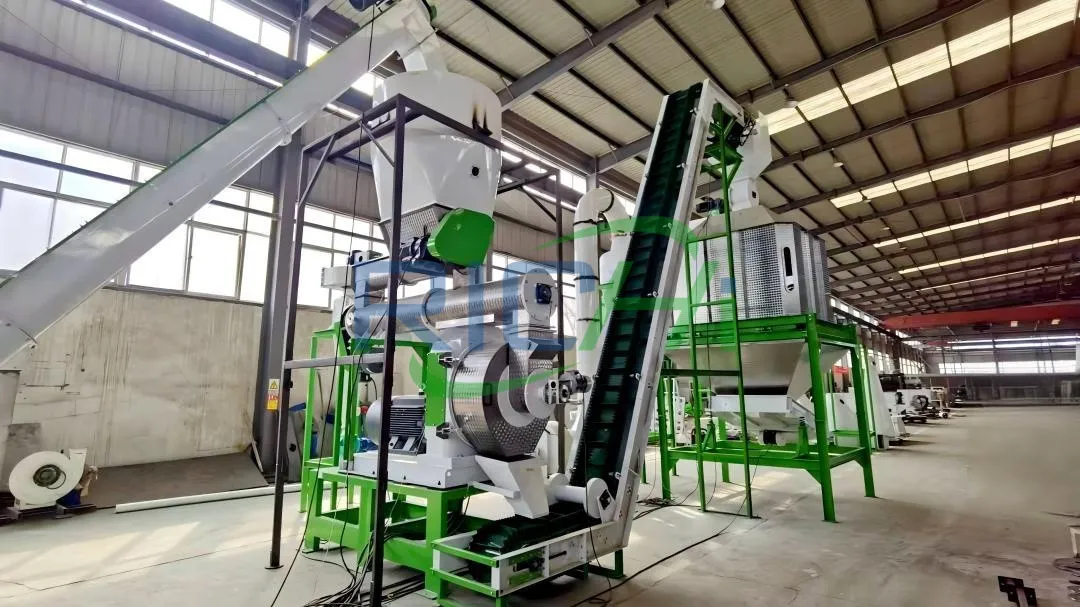
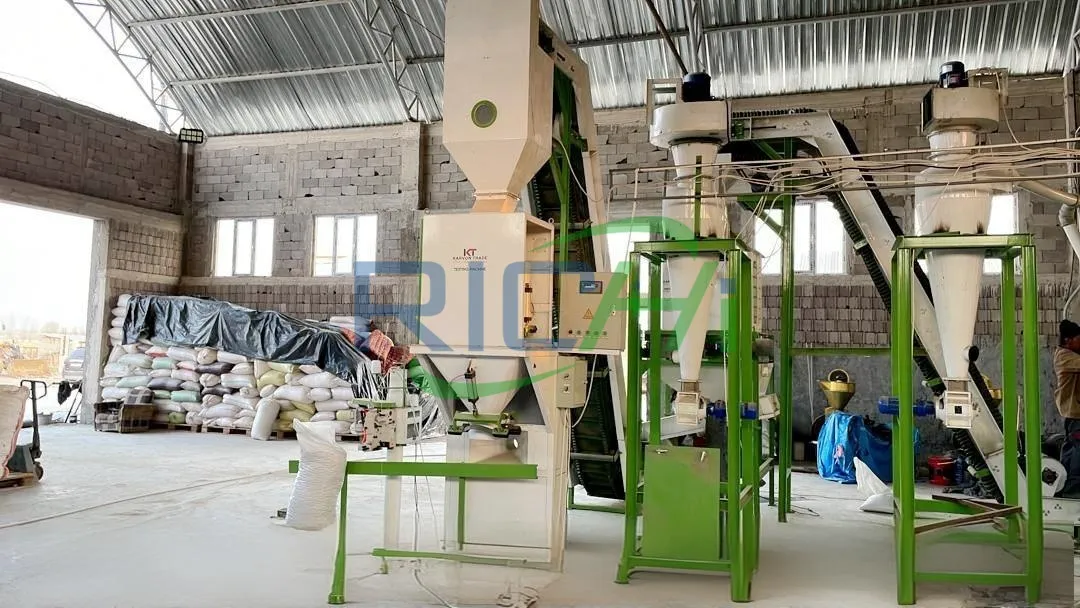
The videos below provide a real-time look at the test run of the RICHI goat feed pellet making machine. Witness firsthand the power, stability, and output quality of this core equipment.
Global Customer Cases
RICHI’s goat feed pellet making machines have made their mark across the globe—shipped to every corner of the world, they’re trusted by 2,000+ clients spanning diverse markets. RICHI Machinery doesn’t just deliver top-tier pelletizing equipment; we provide reliable, tailored support that fuels the success of our partners’ feed production businesses, no matter where they’re located.

Goat Feed Pellet Making Machine In Kazakhstan
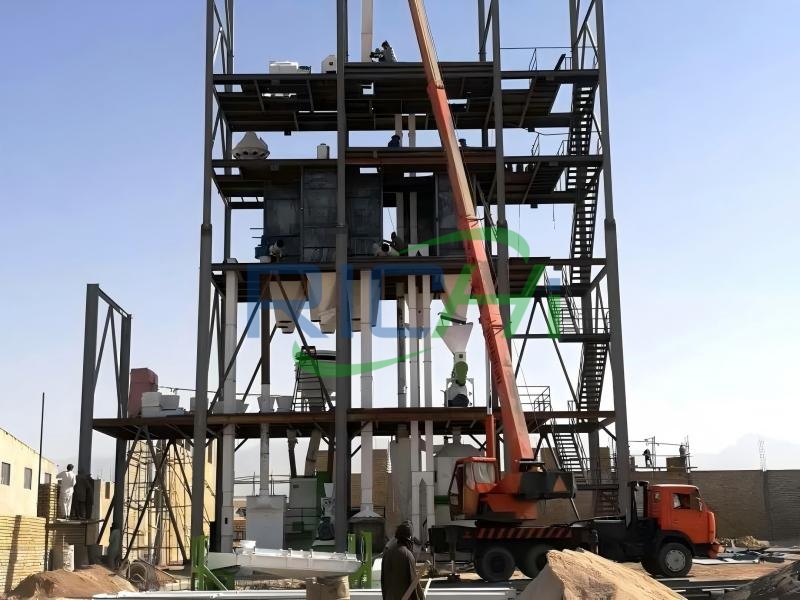
In July 2023, we successfully delivered a complete alfalfa pellet production line to a valued client in Kazakhstan. At the heart of this line lies a high-performance animal feed pellet making machine, boasting a production capacity of 8 T/H and engineered to produce 4–8 mm premium pellets.
This versatile equipment can turn out a full spectrum of sheep feed formulations that cater to the nutritional needs of flocks across all growth stages.
Our equipment not only fulfills the client’s requirements for large-scale sheep feed pellet production but also yields premium-quality pellets— a competitive edge that has significantly boosted the client’s market standing.

Goat Feed Pellet Making Machine In Australia
Australia is a world-leading producer of mutton and wool, and its animal husbandry sector is consistently seeking to enhance production efficiency and animal health through science-backed feeding practices.
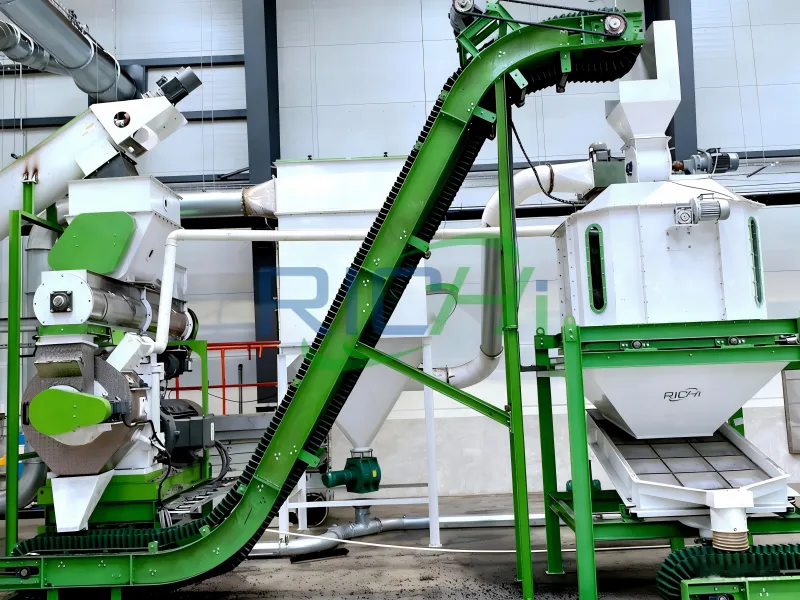
To this end, we designed and delivered a complete production line centered on the SZLH-420 heavy-duty animal feed pellet making machine—a solution specifically optimized for processing Australia’s fiber-rich forage and concentrate blends.
This sheep feed pellet mill can achieve a production capacity of 10-12 tons per hour. Through quick die changes, it can produce pellets of different sizes, ranging from 4mm to 8mm in diameter, to suit the feeding preferences and nutritional needs of lambs, growing sheep, and breeding sheep at various growth stages.
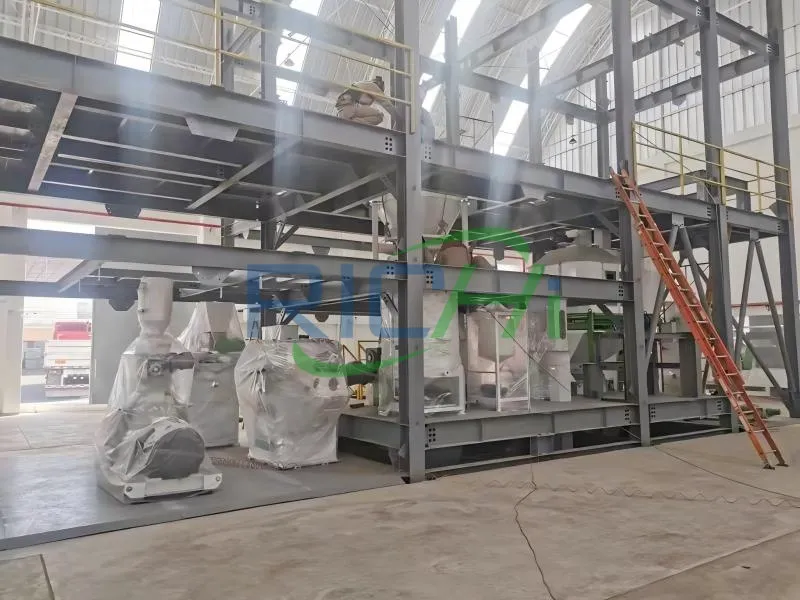

Goat Feed Pellet Mill In Indonesia
In recent years, the expanding scale of ruminant farming (sheep, cattle, etc.) in Indonesia has fueled strong demand for high-quality feed.
To reduce reliance on external procurement and boost overall breeding competitiveness, a leading local cattle and sheep farming enterprise opted to build an in-house ruminant feed production line for self-manufacturing feed pellets.
By introducing the SZLH-320 animal feed pellet making machine, the client has achieved a stable output of 3–5 T/H, producing 6–8 mm feed pellets that meet the feeding requirements of cattle and sheep across all growth stages, providing robust support for the sustainable development of its breeding business.
In addition to standalone pelleting mill equipment, RICHI Machinery also provides customers with complete sets of animal feed machine covering the entire feed production process from raw material pretreatment to finished product packaging.
Benefits Of Using A Goat Feed Pellet Making Machine To Produce Pelleted Feed
Goat feed pellet making machine uses high-temperature conditioning and high-pressure molding processes to transform powdered raw materials into dense pelleted feed. This transformation not only fundamentally improves nutrient absorption and economic efficiency but also directly improves the health of the flock and optimizes pasture management processes. For large-scale farms, the overall advantages it brings far outweigh those of traditional powdered feed systems.
Why Choose RICHI Goat Feed Pellet Making Machine
Choose RICHI goat feed pellet making machine, specifically optimized for high-fiber raw materials, to produce higher-hardness pellets with lower energy consumption, ensuring that every investment translates into quantifiable benefits for your farm.
High Efficiency and Stability
Utilizing advanced high-pressure pelleting technology, the machine achieves a production capacity of 1-140 tons per hour, producing firm and uniform pellets with minimal powdering. The low-moisture thermal processing enhances storage and transportation
Versatile Adaptability
A single machine can handle various feed formulations, from lamb starter feed to adult fattening feed, with adjustable pellet sizes (2-12mm) to meet the precise nutritional needs and feeding preferences of goats at different growth stages.
Significant Cost Benefits
Pelleted feed minimizes spillage waste, improves feed intake efficiency and feed conversion rates in goats, and helps farms significantly reduce overall feeding costs, achieving a better return on investment.
Compliant and Reliable
The equipment is designed to meet international safety and quality standards and can be adapted to comply with regional breeding regulations (such as organic farming requirements or specific feed additive standards), supporting product entry into regulated markets.
Frequently Asked Questions
To address our customers’ specific concerns regarding the processing of high-fiber raw materials, pellet hardness control, and nutrient retention, we have compiled a list of frequently asked questions to help you quickly understand our goat feed pellet making machine.
–
Can the equipment efficiently process high-fiber raw materials (such as alfalfa, straw, grass meal, and cottonseed meal)? Is a pre-processor required?
Yes, RICHI goat feed pellet making machine is specifically designed to handle high-fiber raw materials. We recommend configuring a conditioner as a pre-processor to extend moist heat treatment time (up to 3–5 minutes), significantly softening fibers and improving lignin plasticity. This enhances pellet formation rates and reduces die wear. For straw-based materials, an optional “coarse fiber pre-crusher” is available for pre-processing.
RICHI offers a complete range of animal feed machine, from raw material processing to finished product packaging, for you to choose from.
–
How does your goat feed pellet mill handle supplementary feeds with high fat or high molasses content?
For high-fat or high-molasses formulas, we offer the following solutions:
- Molasses/fat post-spraying system: Enables uniform addition after pelleting to avoid nutrient loss from high temperatures and reduce die clogging risks.
- Die optimization: Uses “large aperture + low compression ratio” dies to reduce material resistance during extrusion.
- Process adjustment: Lowers conditioning temperature (≤65°C) and controls addition volume to ensure pellet stability.
When switching formulas, adjustments to die compression ratio, cutter position, and conditioning parameters are typically required. Trained operators can complete these changes quickly.
–
Is the pellet density adjustable? We hope to produce low-density feed pellets to facilitate ruminant digestion.
Yes. Pellet density can be adjusted primarily through:
- Reducing die compression ratio (e.g., 1:5–1:8) to produce looser pellets.
- Adjusting cutter speed: Faster cutting shortens pellet length, reducing density.
- Controlling conditioning parameters: Lower conditioning temperature and moisture reduce starch gelatinization, maintaining a porous pellet structure.
We can customize low-density pellet solutions for clients.
–
What is the compression ratio range of the ring die?
RICHI goat feed pellet making machine dies offer a wide compression ratio range of 1:5 to 1:16:
- Low compression ratio (1:5–1:8): Suitable for high-fiber grass pellets or low-density supplement feeds.
- High compression ratio (1:12–1:16): Ideal for high-protein concentrates or high-hardness pellets.
We will recommend the optimal compression ratio based on your raw material formula and target pellet hardness.
–
Are there any additional requirements regarding the fineness of the raw material powder?
Yes, high-fiber raw materials require finer grinding to improve pellet formation rates. We recommend:
- Grass/straw materials: Grinding fineness of 3–5 mm (screen aperture ≤3 mm).
- Concentrate ingredients (corn, soybean meal): Recommended fineness of 1–2 mm.
For coarse fiber materials, we recommend equipping a “drop-type hammer mill” as a pre-processing unit to ensure uniform fiber length.
–
What is your FOB price for your goat feed pellet making machine?
The FOB price of a goat feed pellet making machine depends on the production capacity (1–40 T/H), level of automation, and specific accessory requirements, with a price range of approximately $5,000-$100,000. We will provide a detailed quotation within 24 hours after evaluating your specific needs.The following are our FOB price quotations for our goat feed pellet machines for your reference:
| Model | Main Motor Power(kW) | Capacity(T/H) | FOB Price(USD) |
| SZLH-250 | 22 | 1.0-1.5 | $5,000-$8,000 |
| SZLH-320 | 37 | 3-4 | $8,300-$17,500 |
| SZLH-350 | 55 | 5-6 | $18,000-$25,000 |
| SZLH-420 | 110 | 10-12 | $27,000-$33,000 |
| SZLH-508 | 160 | 15-16 | $35,000-$48,100 |
| SZLH-558 | 180 | 20-22 | $49,800 -$55,000 |
| SZLH-678 | 220 | 30-33 | $56,000 -$69,100 |
| SZLH-768 | 315 | 38-40 | $70,000 -$100,000 |
–
Can you provide a process plan based on the sheep feed formulations commonly used in our local area?
Yes. We have developed a localized formula process database for different global regions,such as olive pomace formulas for North Africa and date pulp formulas for the Middle East. We offer formula trial production services to conduct tests with your specific raw materials and provide customized process parameters.
–
Is there any specialized training available for the pelleting of ruminant feed?
Yes. Our engineers will arrive on-site to assist customers with equipment installation and commissioning, and provide training on ruminant feed pelleting. This training includes: conditioning processes for high-fiber raw materials, safety control for urea/non-protein nitrogen addition, low-density pellet production processes, and die and roller maintenance (specifically addressing fiber wear characteristics).
We will also provide customers with technical documentation, including equipment operation manuals, daily maintenance manuals, raw material formulations, and related pelleting process instructions.
–
What is the equipment warranty period? Are spare parts available for key components (such as ring dies and press rollers)?
The warranty period for the entire goat feed pellet making machine is 12 months. We can provide spare parts for all wear parts and offer you competitive long-term preferential prices.
–
If the goat feed pellet making machine malfunctions, do you provide remote online support? Can you dispatch an engineer to the site?
We provide 24/7 multi-language remote diagnostics and real-time video guidance. For major malfunctions, engineers can arrive on-site within 48–72 hours (depending on visa and location). (View our Youtube)