
Cattle Feed Production Line In Argentina
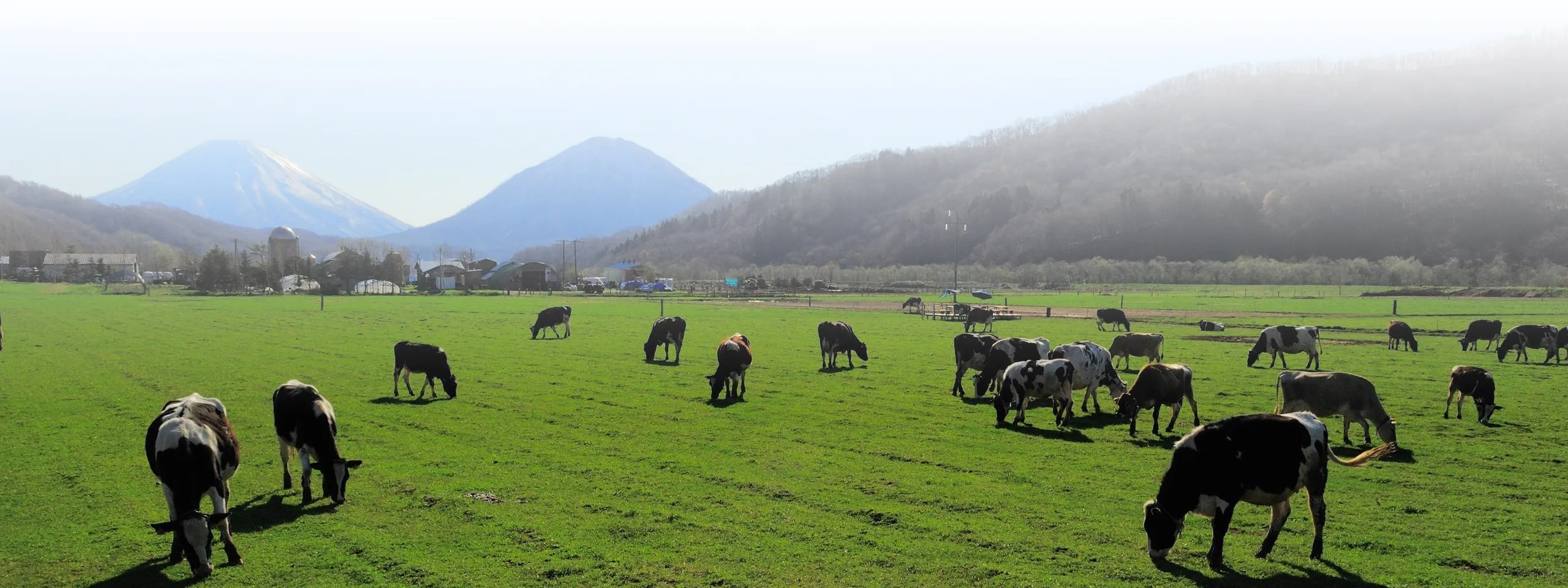
Overview of Cattle Feed Production Line in Argentina
— Richi Machinery —
3-4 T/H
Capacity(tons/hour)
4-8 mm
Pellet Size(mm)
30 Days
Installation Period(days)
$230,000
Guide Price(USD)
Brief Introduction
Argentina, as a major global agricultural and livestock producer, possesses exceptionally abundant resources. The country has ample and low-cost supplies of feed ingredients (such as corn, soybeans, and soybean meal), providing a significant cost advantage for feed production. Besides, the customer’s existing cattle feed production line frequently experiences malfunctions, severely impacting production efficiency.
Against this backdrop, our client seek to solidify his market position or expand his business scope by upgrading his existing production line.
- Capacity: 3-4 T/H
- Pellet Diameter: 4-8 mm cattle feed pellets
- Raw Materials: forage, corn, bean meal, wheat, urea, molasses, minerals and vitamins, functional additives,etc.
- Installation Period: 30 Days
- Customized: Yes
- Aumotatic Degree: Fully automated production line
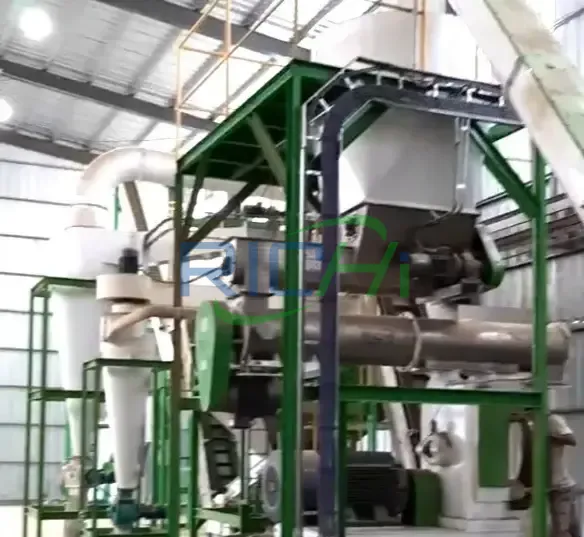
Full spectrum cattle feed Production Line solution
The cattle feed production line we built for Argentina creates a complete feed supply system. This system supports the entire lifecycle of the herd, suits all farming scenarios, and meets every nutritional need. It allows flexible adjustment of both feed formulas and processing settings.
As a result, the line can produce a full range of feed types, including complete formular feed, concentrates, roughage, premixes, and functional feed. This ensures precise nutrition for every group of cattle, such as calves, fattening cattle, lactating cows, dry cows, and breeding bulls.
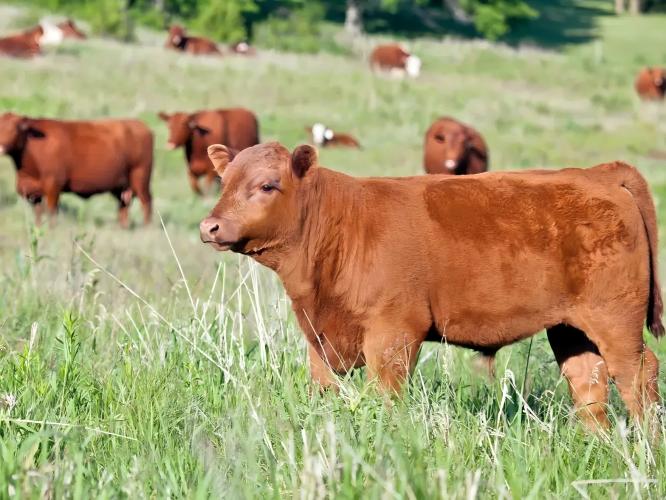
Calve
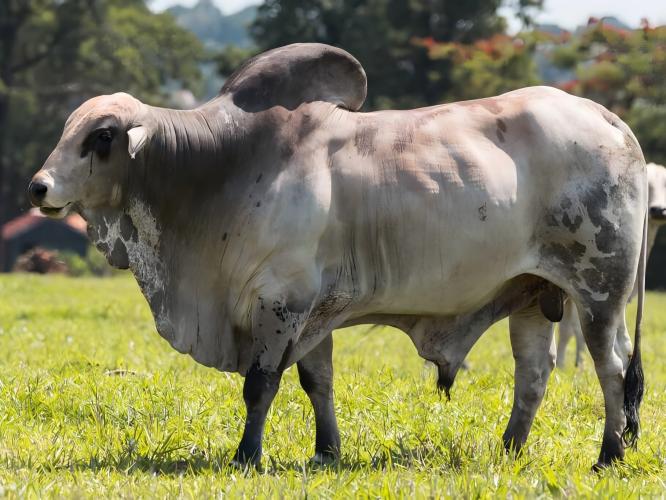
Fattening Cattle
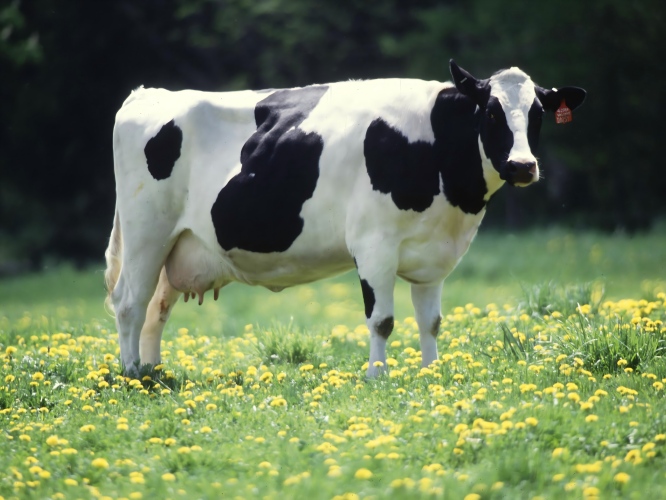
Lactating Cow
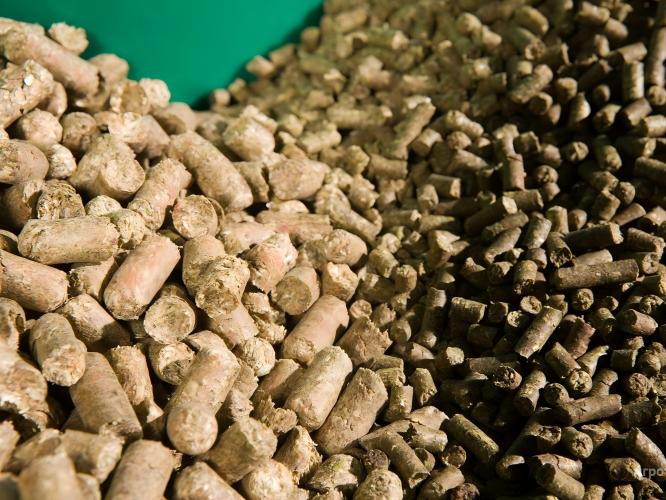
Ruminant Pellet Feed
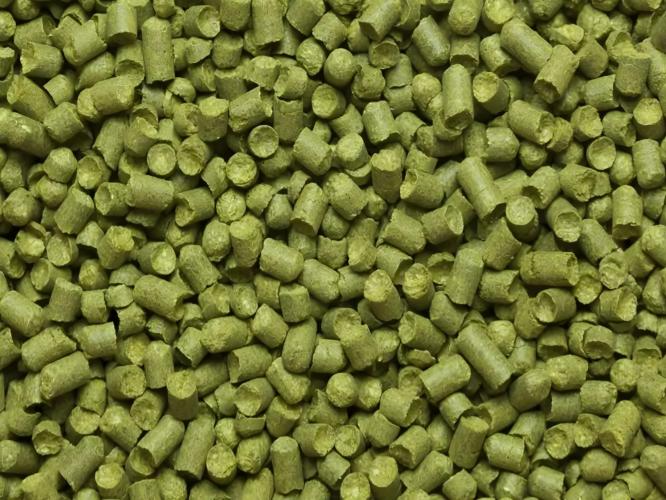
Grass Pellet Feed

Feed Premix
key Technical Solutions of Cattle Feed Production Line in Argentina
When designing the cattle feed production line in Argentina, our engineers balanced the production requirements of both concentrated and roughage feeds. Through highly customized design, we achieved the core goals of high efficiency, flexibility, cost-effectiveness and adaptability to diverse raw materials.
Dual-channel Raw Material Receiving System
The grain and legume receiving channel and roughage receiving channel are set up respectively. Meanwhile, the processing line is equipped with hay grabbers, bale breaker, and hay crusher. They can efficiently handle diverse raw materials such as bale hay, silage and straw.
Flexible Grinding Combination Process
Adopting the combination of “hammer mill + dedicated hay mill” and equipped with large – aperture screens, it meets both the requirements of fine grain crushing and roughage fiber particle size retention.
Highly Adaptive Mixing & Liquid Adding System
Equipped with a large – capacity twin – shaft paddle mixer and integrated with a liquid adding system, it ensures the mixing uniformity of high – fiber and high – moisture raw materials.
Ruminant-specific Pelleting Solution
Adopting a ring die pellet mill with large die holes, and equipped with a forced feeder and an anti – bridging device, it can easily process high – fiber formulations and guarantee the quality of the final pellets.
Multi-type Feed Production Modes
This production line can flexibly switch the production modes of various feed types including concentrated feed, roughage, total mixed ration (TMR) and premix, adapting to different feeding scenarios.
Dust Control and Energy-saving Design
The pulse dust removal and explosion – proof systems are enhanced to address the straw dust risks in arid climates. The line is equipped with a biomass energy interface, which can utilize agricultural wastes to generate steam and reduce energy consumption costs.
Working Process of Cattle Feed Production Line in Argentina
We have customized this cattle feed production line specifically for the Argentine client. This customized service enabled the seamless integration of locally abundant grain and roughage resources. When designing the process flow, our core focus was on maximizing both production efficiency and formulation cost-effectiveness. We aimed to fully transform the client’s resource advantages into market competitiveness for their products.
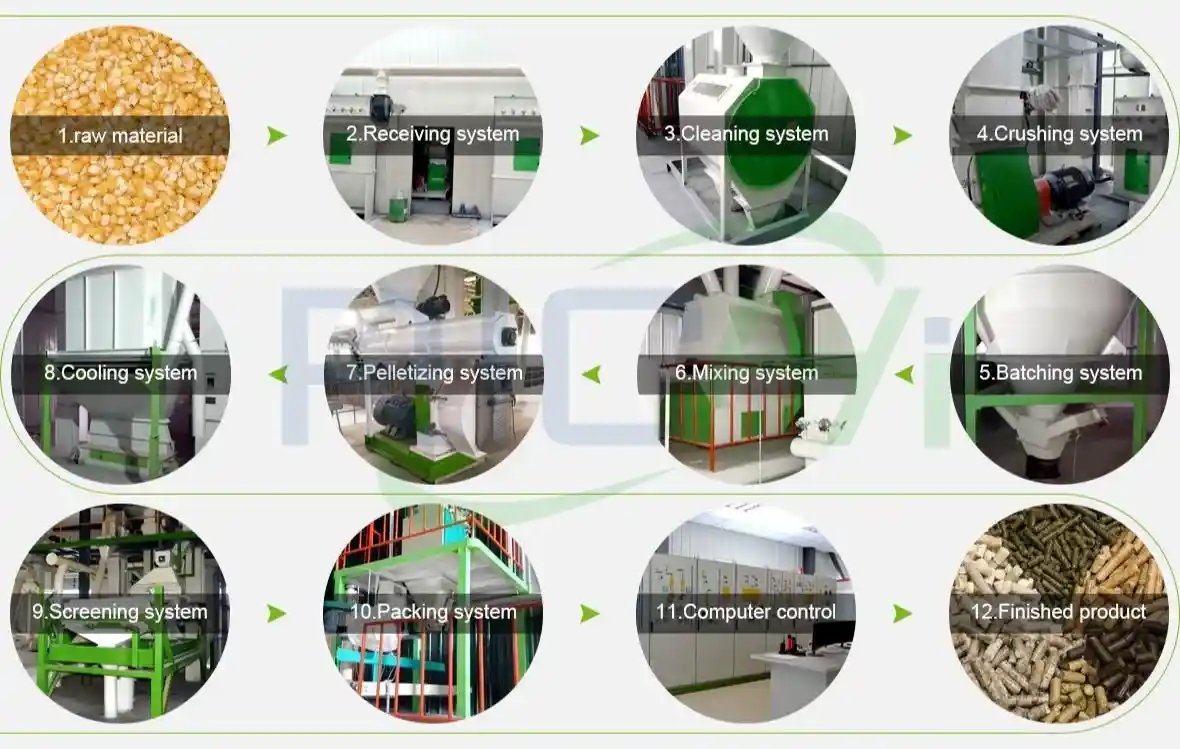
1
Raw Material Receiving:
The Argentine client utilizes a diverse range of raw materials including grain and protein sources such as corn, soybeans, wheat, and soybean meal; roughages like hay, straw, alfalfa, and silage; along with various liquid additives. Raw materials of different properties require segregated intake and dedicated storage.
2
Raw Material Pre-processing:
First, disassembles the bundled forage and straw. Then, removes impurities such as weeds and stones to purify the raw materials. Subsequently, the forage and straw undergo primary size reduction to facilitate the subsequent fine grinding process.
3
Grinding:
According to the targeted pellet size specifications for different cattle groups, various raw materials are ground to the appropriate fineness through precise adjustment of the grinder’s operational parameters..
4
Batching and Mixing:
Weighs and proportions various raw materials following the feed formulation. Then, feed the batched major ingredients into the mixing equipment alongside nutritional additives such as minerals, vitamins, molasses, and urea. Thorough blending ensures uniform distribution of all nutrients.
5
Pelleting:
Conveys the mixed mash to the cattle feed pellet making machine, which can compress powdered materials into cylindrical pellets. The client can flexibly adjust the ring die hole diameter and cutter specifications to produce pellets across the full 4-8 mm size range, according to practical requirements.
6
Cooling:
Freshly extruded pellets have elevated temperature and moisture content, necessitating transfer to a cooler for controlled temperature and humidity reduction. Cooled pellets have improved storage stability and reduced susceptibility to mold.
7
Screening:
The dried raw materials are put into the feed hopper, which is equipped with an arch-breaking device to prevent material caking through continuous stirring. The granulator is fitted with a forced feeder that pushes materials into the granulation chamber. Inside the chamber, the wood chip raw materials are extruded and shaped into dense pellets.
8
Finished Product Packaging:
Conveys the screened, qualified finished feed to an automatic bagging system. Here, it undergoes automated weighing and packaging according to preset weight parameters, enabling the standardized dispatch of the final product.
We can design different animal feed production line solutions based on our clients’ specific needs for raw material processing, production capacity, and product types, making it easy for you to start your feed production business.
Main Equipment for Argentina Tailored Cattle Feed Production Line
RICHI offers comprehensive turnkey project services for cattle feed production line in Argentina. Based on professional technical expertise, we customize and optimize feed processing equipment combinations for each client. Moreover, our animal feed machines are characterized by exquisite craftsmanship, energy-efficient design, and outstanding durability.

01
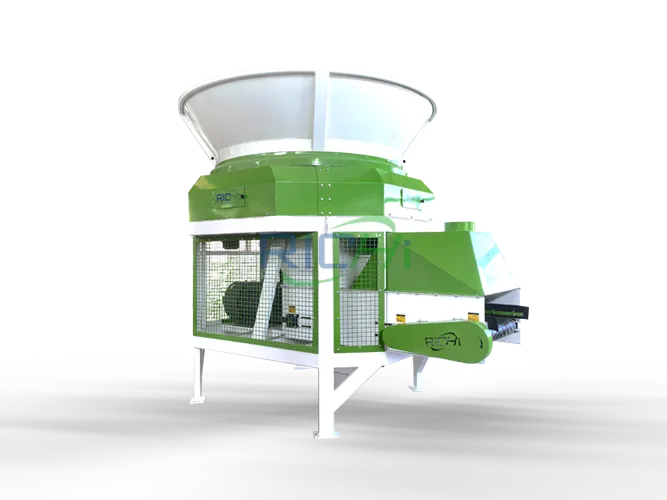
Pre-processing System
The bale breaker equips hydraulic-driven bale breaking toothed rollers. It can quickly unties baled forage and straw. Ultimately, it enables continuous feeding.
02
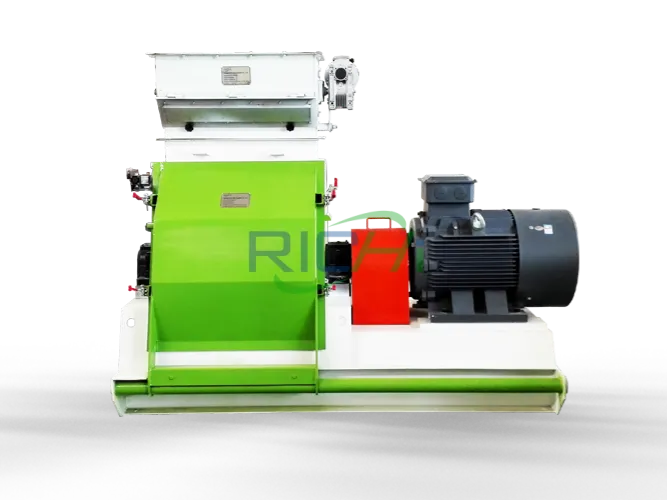
Grinding System
A forage grinder specializes in coarse crushing of fibrous raw materials. And a water drop hammer mill achieves fine grinding of grains.
03
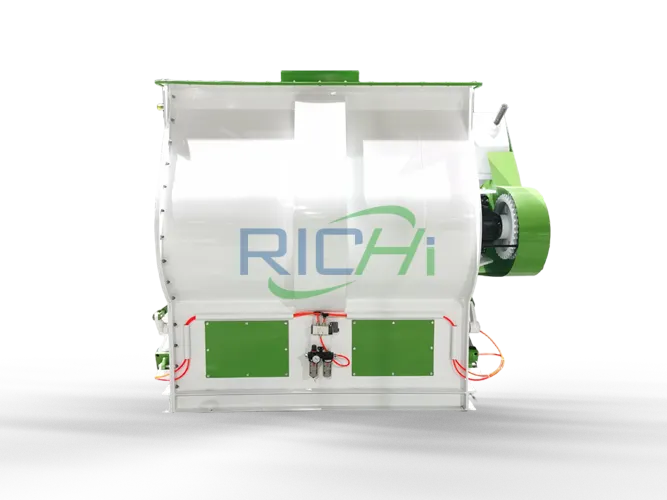
Mixing System
The mixer adopts a dual-shaft variable-speed design. As a result, it ensures high mixing uniformity (CV≤5%). It delivers mixing efficiency ≥98%.
04
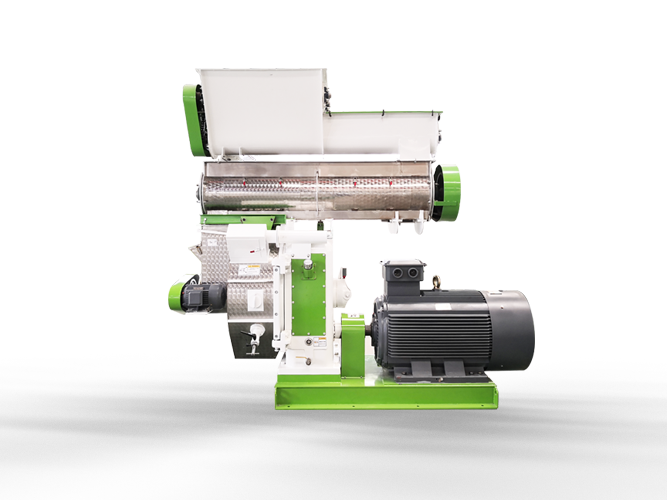
Pelleting System
Configures large die-hole ring dies (Φ4–8mm) and single-layer conditioners. Additionally, a forced feeder guarantees stable feeding of high-fiber raw materials into dies.
05
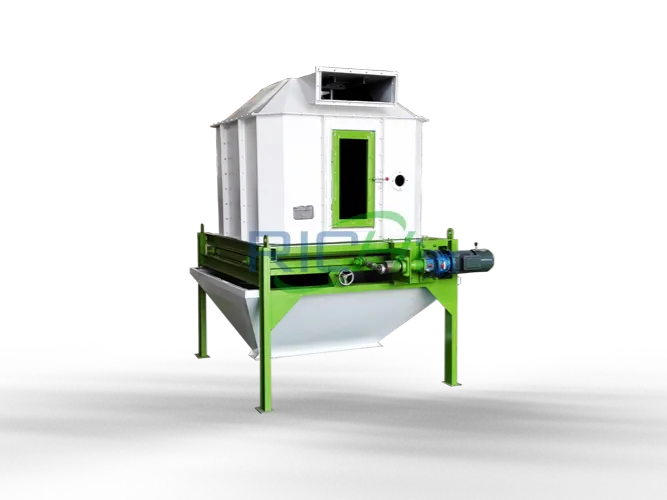
Cooling System
Adopts counter-flow cooling technology. In this way, it ensures uniform contact between cold air and hot pellets. Therefore, it prevents pellet cracking caused by sudden cooling.
06
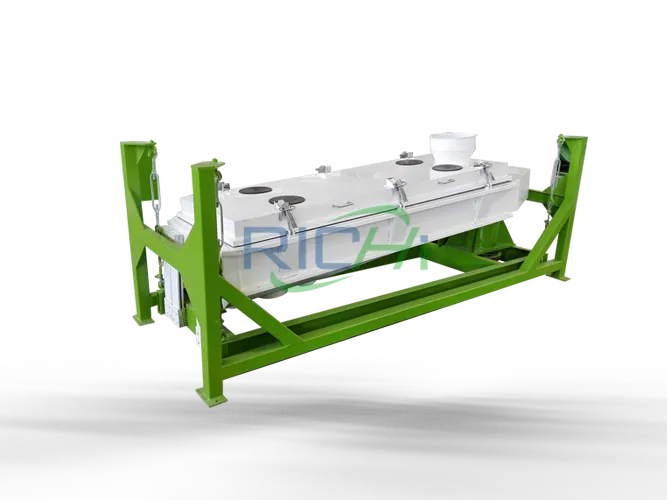
Screening System
Features a three-layer screen design.
It can accurately separates fine powder, qualified pellets and oversized pellets. Moreover, it achieves a screening efficiency of ≥95%.
07
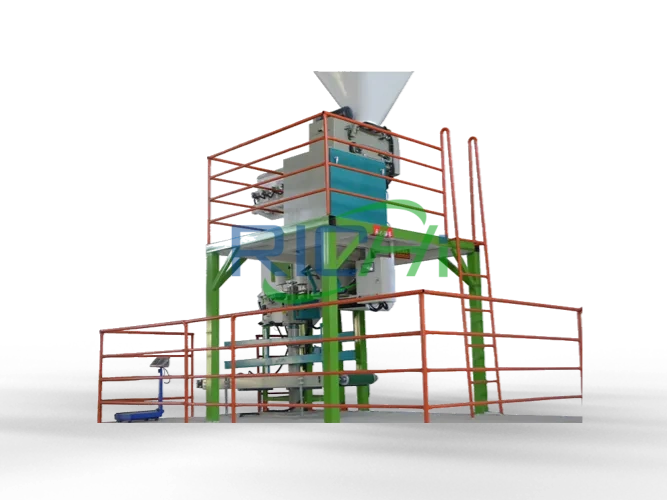
Packaging System
Supports quantitative packaging ranging from 10–50 kg. It controls packaging error within ±0.1%.
In addition, we offers heat sealing, stitching and combined sealing.
08
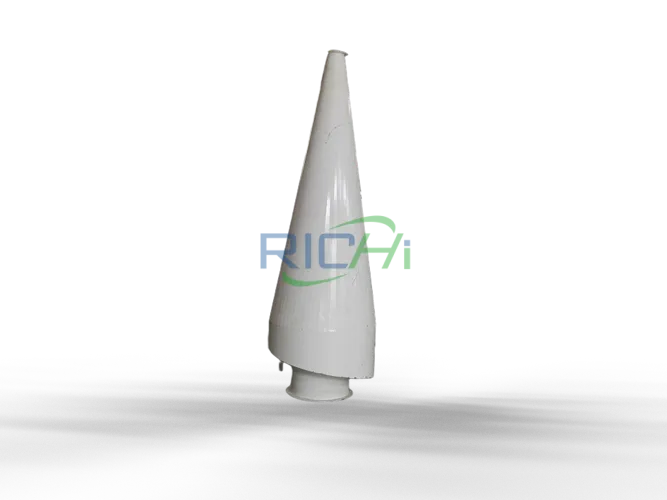
Dust Removal System
Uses a two-stage dust removal design (cyclone separation + pulse bag filter). Consequently, it reaches a dust removal efficiency of ≥99.5%.
09
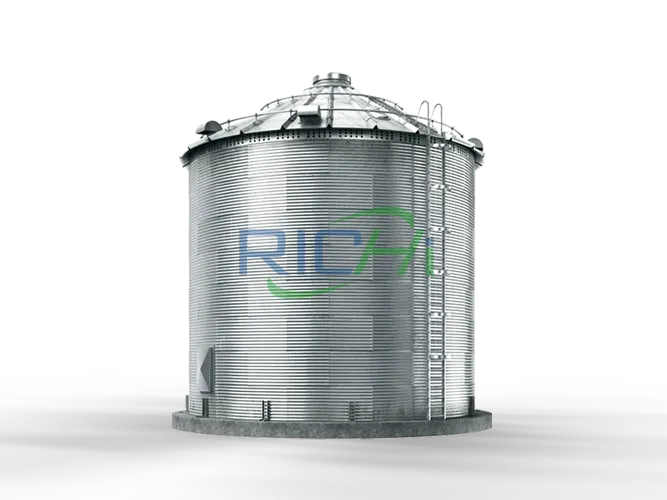
Storage System
Silos equip the cone hopper with fluidized design. Also, they install intelligent sensor air cannons, realizing automatic arch breaking.
10
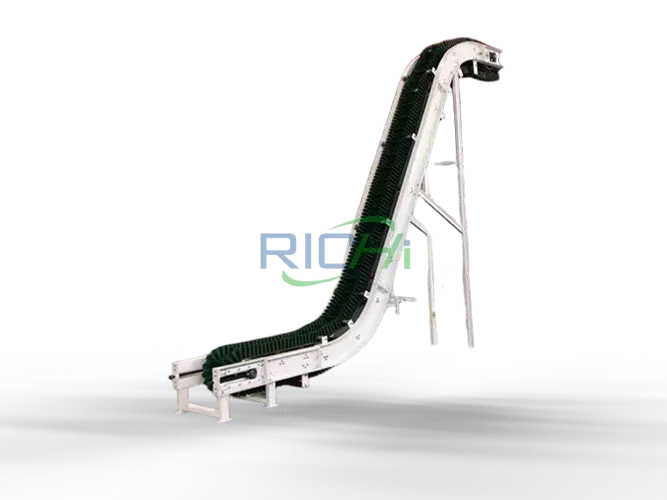
Conveying System
Enables vertical conveying of both pellets and powder. Furthermore, we supply a full range of conveyors, including screw conveyors, belt conveyors and scraper conveyors.
Investment Advantages of Cattle Feed Production Line in Argentina
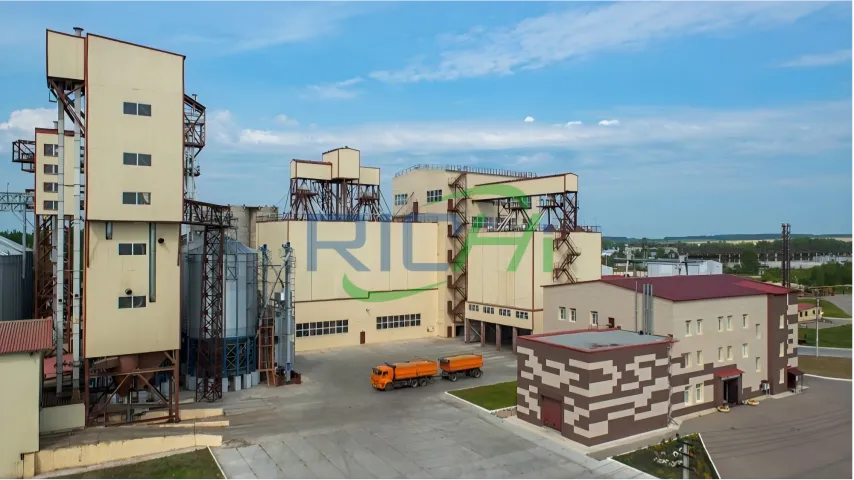
Argentine clients enjoy a significant advantage in raw material costs, and the feed market is experiencing strong demand. RICHI Machinery assists clients in upgrading their industries, thereby enhancing their market competitiveness.
- Strong demand in both domestic and surrounding markets
- Argentina’s beef industry is world-renowned, and the demand for cattle feed is enormous.
- With the intensive development of pastures, the demand for complete compound feed (especially high-protein, high-energy feed) is increasing year by year.
- Raw material cost advantage
- As a major global producer and exporter of corn and soybeans, Argentina allows customers to obtain raw materials such as corn and soybean meal at prices far below international market rates.
- Argentina possesses world-class natural pasture resources and a corresponding system for supplying inexpensive, high-quality roughage.
Service Process of Cattle Feed Production Line Project in Argentina
Based on in-depth analysis of the Argentine client’s needs and considerations for localization, RICHI provides a one-stop turnkey service for this cattle feed production line project. At its core lies a detailed customized solution that goes beyond mere equipment delivery. From precise demand analysis to lifelong after-sales support, every step is designed to build a sustainable competitive advantage for you.


Requirements Analysis
Clarify specific client needs for raw material handling, capacity specifications, and product types through in-depth communication.


Solution Design
Develop customized flexible process flows and plant layout plans that integrate concentrated and roughage feed production.


Equipment Manufacturing
Produce specially designed equipment (e.g., corrosion-resistant, large-die pelleting) optimized for high-fiber raw materials.


Installation & Commissioning
Dispatch engineers for on-site installation and commissioning until the production line meets design capacity standards.


Personnel Training
Systematically train operators in equipment maintenance, formula adjustment, and emergency troubleshooting.


Long-term Service Support
Provide remote technical assistance, periodic maintenance recommendations, and spare parts supply.
fAQs About Cattle Feed Production Line in Argentina
Below are some of the key questions that our clients, such as ranchers and feed processing companies, have been focusing on. Whether you are concerned with the process details of efficient silage/straw processing and dust control, or considering energy costs, you can find clear answers here. If you have any further questions, please feel free to contact us.
How does this production line handle the high proportion of grass silage and high-fiber straw from Argentina?
+
This Argentine cattle feed processing line is equipped with an integrated forage bale breaking and crushing unit, which controls the length of the silage/straw.
How does it ensure uniform mixing and efficient pellet formation?
+
For the Argentine cattle feed production line, we have equipped it with a dual-shaft differential mixer and a liquid additive spraying system. Additionally, our feed mixer ensures high mixing uniformity (CV ≤ 5%), enabling even blending of high-fiber materials and concentrated feed.
Specifically, we have customized a animal feed pellet making machine for ruminants for our client. This equipment utilizes a “large-die ring die + forced feeder” configuration, ensuring a pelleting rate of over 95% and a Pellet Durability Index (PDI) of ≥90%, even with formulations containing up to 30% fiber.
Regarding energy price fluctuations in Argentina, how can equipment energy consumption be optimized?
+
All core equipment along the entire line is equipped with low-energy Siemens motors. What’s more, our engineers designed the production line with built-in compatibility for biomass boilers. It allows for the use of locally sourced, inexpensive fuels such as straw pellets and palm kernel shells to replace natural gas boilers. This can reduce steam costs by 40-60% compared to using natural gas.
What is the overall electricity consumption per ton for this cattle feed production line in Argentina?
+
Argentine customers primarily use locally sourced corn, soybean meal, and straw as raw materials. Taking a typical formulation (40% corn, 20% soybean meal, 30% silage, and 10% premix) as an example, the overall power consumption per ton of material is approximately 15-18 kWh.
For the Pampas region, which experiences hot, dry summers, what special design features are in place for dust control?
+
In the Argentine cattle feed production line, we have installed a two-stage dust removal system consisting of a cyclone separator and a pulse jet bag filter in the sections where dust is easily generated (feeding, crushing, screening, etc.). This system ensures dust emission concentrations remain below 10 mg/m³, fully complying with Argentina’s dust control standards. (View our YouTube)